History of Counterfeit Wine
By Maureen Downey
Such is the audacity of man, that he hath learned to counterfeit Nature, yea, and is so bold as to challenge her in her work.” – Pliny the Elder. Roman author, naturalist, and philosopher. 23AD –August 25, 79AD
ANCIENT WINE FRAUD
The earliest known wine, which for our purposes only includes the fermented beverage of grapes, is from China as far back as 7,000 BC. Throughout history there are examples of wine production in all cultures. In fact “wine”, including all of its many translations, is one of the most commonly occurring nouns in both the old and new testaments. In Genesis, Noah planted vineyards and became inebriated, and in John’s Gospel, Jesus’ first miracle was the marriage at Cana where he turned water into wine, thereby saving the day.
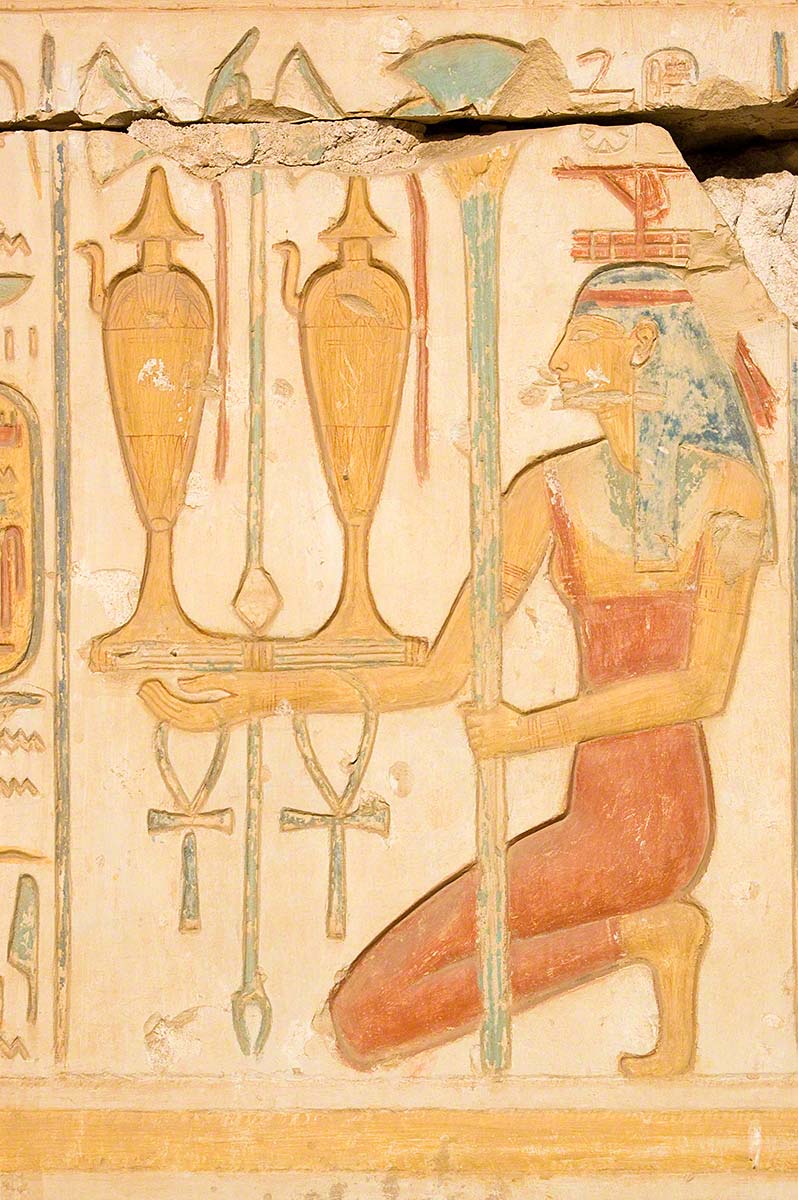
Egyptian art depicting wine production
Egyptian tombs have been unearthed with complex wine cellars comprised of rooms of wine amphora complete with information describing what type or from what area and vineyard the wine originated.
There exist numerous murals depicting Egyptian production of wine, and evidence from shipwrecks in the Mediterranean have proven that Egypt was trading wine and other goods with other Mediterranean peoples. As far back as ancient Egypt, some areas were already recognized as being superior to others for the quality of the wines produced.
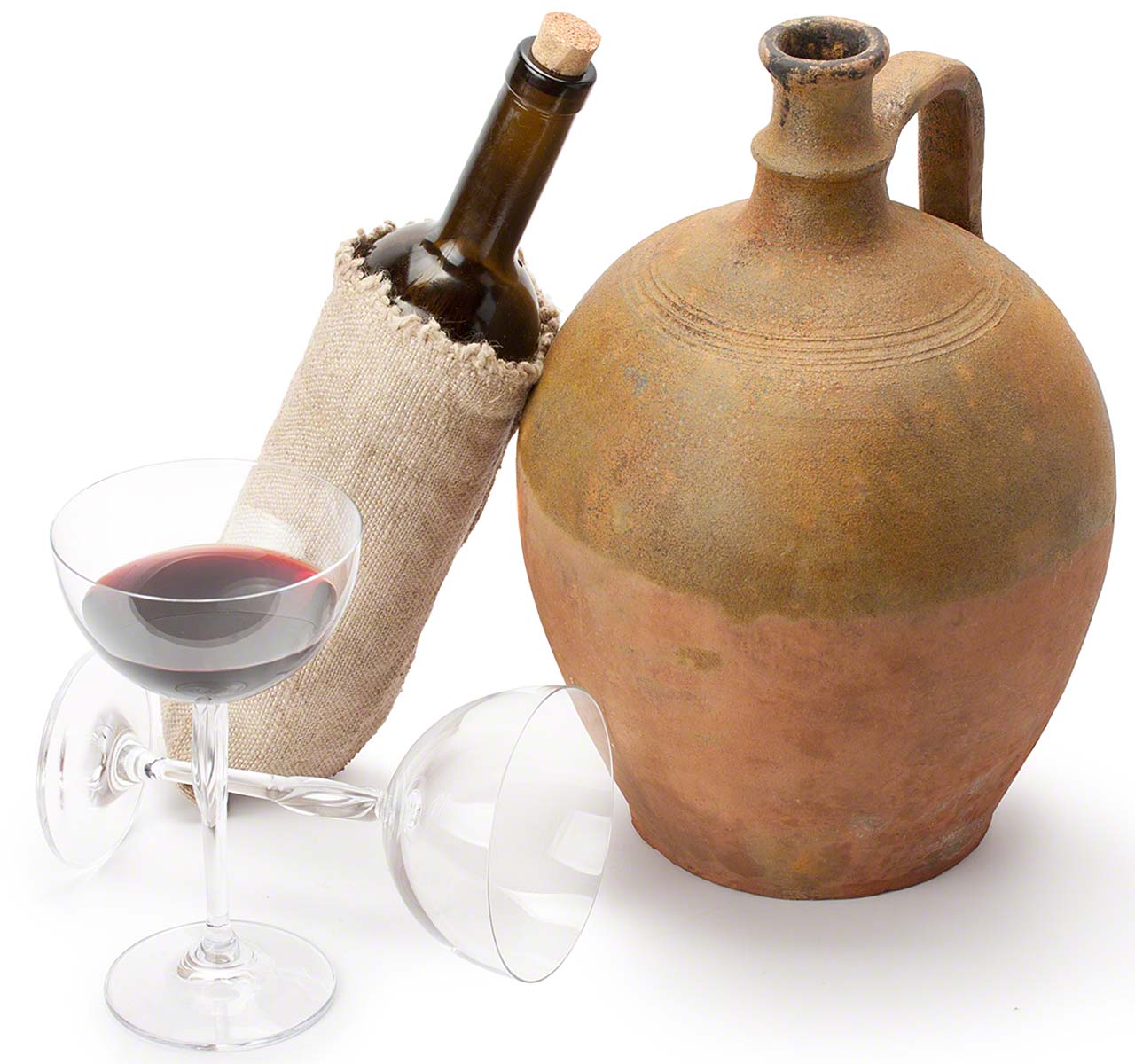
Depiction of Amphora and current wine bottle
Pliny the Elder, wrote of counterfeit wine issues involving both nobility and the people. Similar to the schadenfreude of today, his writing show that the nobility could in fact not be sure the wines they were pouring at their tables were genuinely what they expected. The people, the middle class and even the poor were also dealing with counterfeit wine products. Apparently the Roman taverns and bars that served the famed Falernian wine of the region wine had such an abundance of the famous wine, and at such cheap prices that Pliny observed much of the offerings must be counterfeits. Apparently Two Thousand years later the same scam is still popping up.
The Middle Ages were tough on vendors who would sell misrepresented and downright counterfeit wines. It was such a problem that in London, there were laws requiring the separate storage of wine from France, Spain and Germany. The idea was to prevent the blending or misrepresentation of wines in their venues. Producers found “corrupting” their wines by making additions or blends that were not allowed were kicked out of the trade, but only after they had consumed all the bad wine! The German really did not mess around: Those caught involved with counterfeiting or selling counterfeit wines were severely punished. Beatings, brandings and even death by hanging were all options to punish these crooks. Ahh – the good ‘ole days!
By the early 1700’s the café’s in Paris were all serving up huge quantities of the wine that was all the rage, Cotes du Rhône. The quantities however far outstripped the production of the region proving that a good amount of the wine being sold as Cotes du Rhône was in fact counterfeit. As a result an edict, or Royal Decree by the King of France, Louis XV, was passed down in 1737 requiring that all casks from the Cotes du Rhône area destined to be sold and transported must be branded with the “C.D.R.” This was the first geographically designated law to protect a region of production in history. This edit preceded the Appellation Controlee laws of today by almost exactly 100 years.
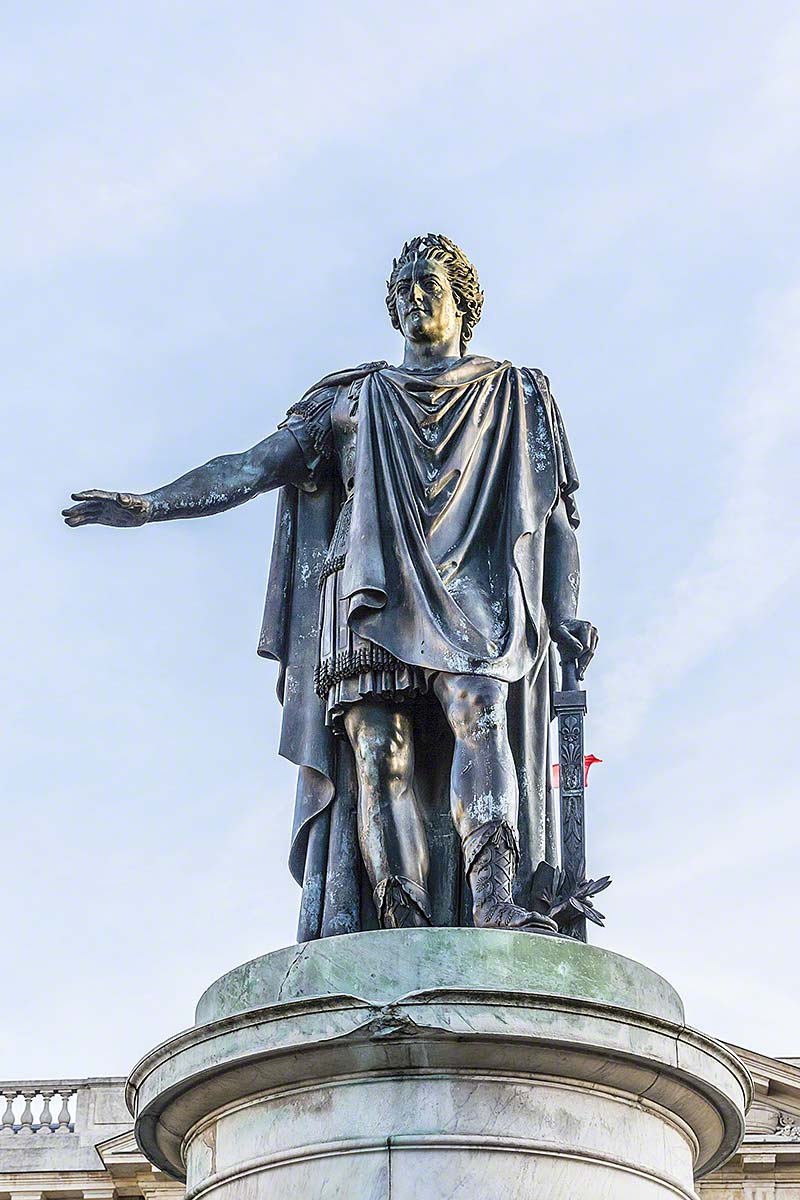
Statue of Louis XV, Place Royale in Reims, Champagne
Louis XV, King of France (15 February 1710 – 10 May 1774), known as Louis the Beloved
The Age of the Enlightenment (1650s-1780s) was a great period in the advancement of chemistry. A group of chemists called the “Wine Doctors” did a lot of work manipulating wines and figured out ways to use chemistry, dried grapes and even at times bases other-than-grapes to produces wines that could be marketed as the famous German and Bordeaux wines of the age. In the 1820’s, a German chemist living in London, Frederick Accum, who primary worked with keeping dangerous food additives out of processed foods, published A Treatise on Adulterations of Food and Culinary Poisons. In this Treatise, he noted that wine was one of the commodities most at risk for being successfully be counterfeited, manipulated and misrepresented. It seems the Age of Enlightenment had brought science into the “art” of counterfeiting wines.
The Phylloxera outbreak in Europe in the late 1800s made many wines scarce, and counterfeiters took advantage of the situation. In the 1850’s a
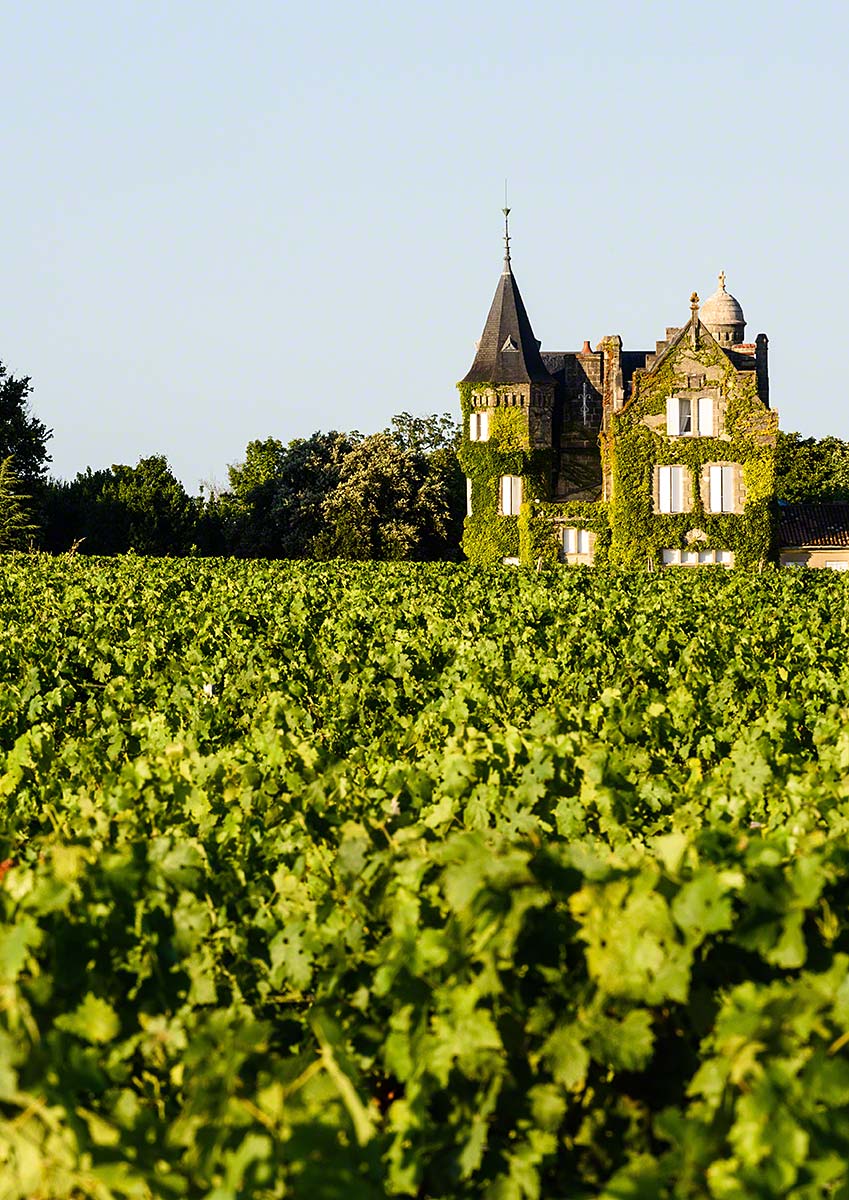
The Phylloxera bug affected many wineries in France
Victorian botanist brought American vine species that carried the devastating louse back to London. American vine species are immune to the effects of Phylloxera, but the native European vines, vitius vinifera were devastated. It is recorded that between two-thirds and nine tenths of all European vineyards were wiped out by 1899. Vineyards in France were most affected, and Spain, with the aid of the natural Pyrenees Mountains and sandy coasts blockade was last to be attacked. (Phylloxera cannot exist in sand; there are still some vineyards that exist today that have never been affected!) As a result of this devastation, availability of the great wines of Europe diminished, but imaginative counterfeiters created recipes to mimic the wines of the great vineyards of France and Italy that had been devastated.
By the late 1800’s and early 1900’s the governments of wine growing countries recognized the need to protect the geographical origin of their products. They passed laws and regulations that affected viticulture, vinification, elevage (wine ageing), bottling, and even packaging. Throughout the years, changes have been made and updates adopted. Fortunately for those of us in the business of spotting counterfeits, counterfeiters are typically not versed in these regulations.
MODERN WINE FRAUD
In 1994, wine auctions became legal in New York. Christie’s had been conducting wine auctions in modern times since 1966 in Europe, and Sotheby’s since 1970. Wine auctions were already legal in California, where Butterfield & Butterfield in San Francisco (now owned by Bohnhams) was conducting wine auctions. Auctions were also occurring in Chicago. But for the most part, wine auctions were not well known, nor big business in the US. In fact, auctions of any kind were not common to many Americans. There was a stereotype and a divide: Either you scratched your nose at the wrong time and owned a Picasso, or you were at a livestock auction at a state fair. There was not much in between.
Wine Collecting was also not something that many people did in the US. Yes, there were great American wine collectors going back to the Founding Fathers. But most Americans, unlike Europeans, did not grow up in wine drinking and collecting families. Wine was not part of the American culture. In fact, it was not until the renaissance of American wine making in the late 1960s and early 1970s that America was even taken seriously as a wine producing country. People who loved wine depended on the experts who worked in wine stores to help them learn about and acquire fine and rare wines. There was a respect for rarity, and for the time it often took for wines to age.
Today, we can see the same progression happening in Asia. And there are several important factors that created what became a perfect opportunity for modern counterfeiters and their all-too-often complicit vendor outlets to inflict the damage they have on the international fine and rare wine market in the past 20 years.
The 1980s saw the rise of Robert Parker as the world’s leading wine critic. His reviews of the amazing 1982 Bordeaux vintage opened many eyes to wine and turned many young people into novice collectors. Enterprising counterfeiter Hardy Rodenstock with his willing vendors, Royal Wine Merchants, took advantage of Parkers prowess and ability to move wines. They tasted him on great old wines and vintages that were near impossible to find. Many wines received 100 points and the Parker writings spread to influence many young collectors. Rodenstock then supplied an impossible plethora of those wines onto the market via Royal Wine Merchants and others. A counterfeiter’s dream market was opened.
By the 1990s there was even more availability to wine critics writings and their scores, and lots of extra money to spend on wine. Where collectors used to have personal relations with retailers, and learned about wine slowly and thoroughly in almost a mentored process, the internet was exploding with information and could make anyone an instant expert on all things wine, or so they thought, almost overnight. And, of course, there was eBay, which “normalized” the auction process for so many Americans.
Wine Auctions became a perfect place for counterfeits
By the early 2000s wine auctions in New York were exploding. In 1996, there was Christie’s with Zachy’s, Sotheby’s, and Morrell and Company. By 2002, Zachy’s Auctions was established as a standalone auction house and breaking records, and Acker Merral Condit – the conduit of most of Eric Greenberg and Rudy Kurniawan’s counterfeit wines, was becoming a force to be reckoned with a reputation built on the sale of counterfeits. Without the massive sale of fakes, Acker Merral Condit would likely still be a “third tier” house. But they were able to sell so much volume that even today people continue to buy and sell through them.
For information on the individual frauds and fraudsters mentioned in this article, please see Rudy Kurniawan and Other Wine Frauds.
**Credit to Domaine Select Wine Estates