Glue
The History of Glue
By Sheri Morano MW
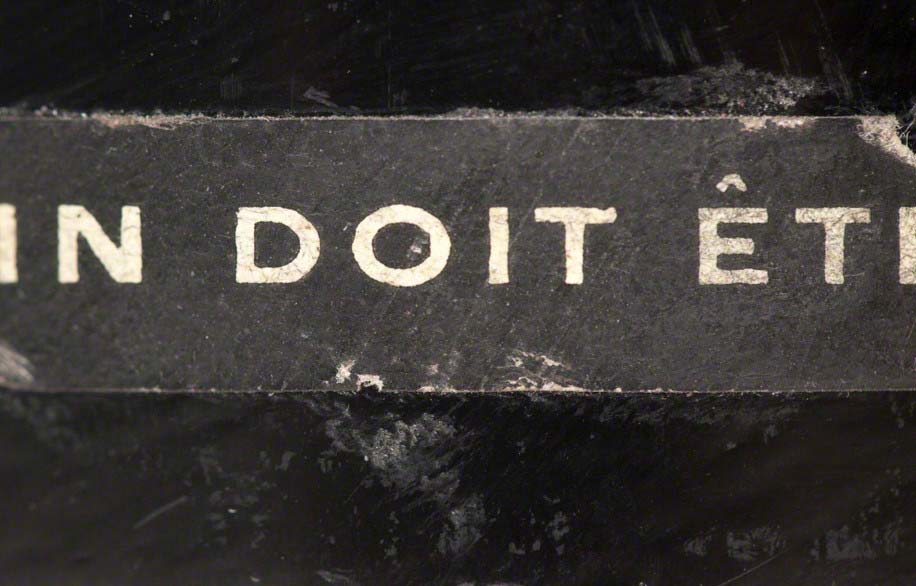
Stickers were not used in production until recently. Sloppy application of glue around to make it appear authentic.
When it comes to wine authentication, understanding what is on the outside of the bottle can be even more important than examining what is on the inside. Labels, corks, capsules, and the like can offer essential clues as to a wine’s provenance. For that reason, it is also valuable to learn about the history of those subjects that relate to packaging, such as paper, glass, and glue.
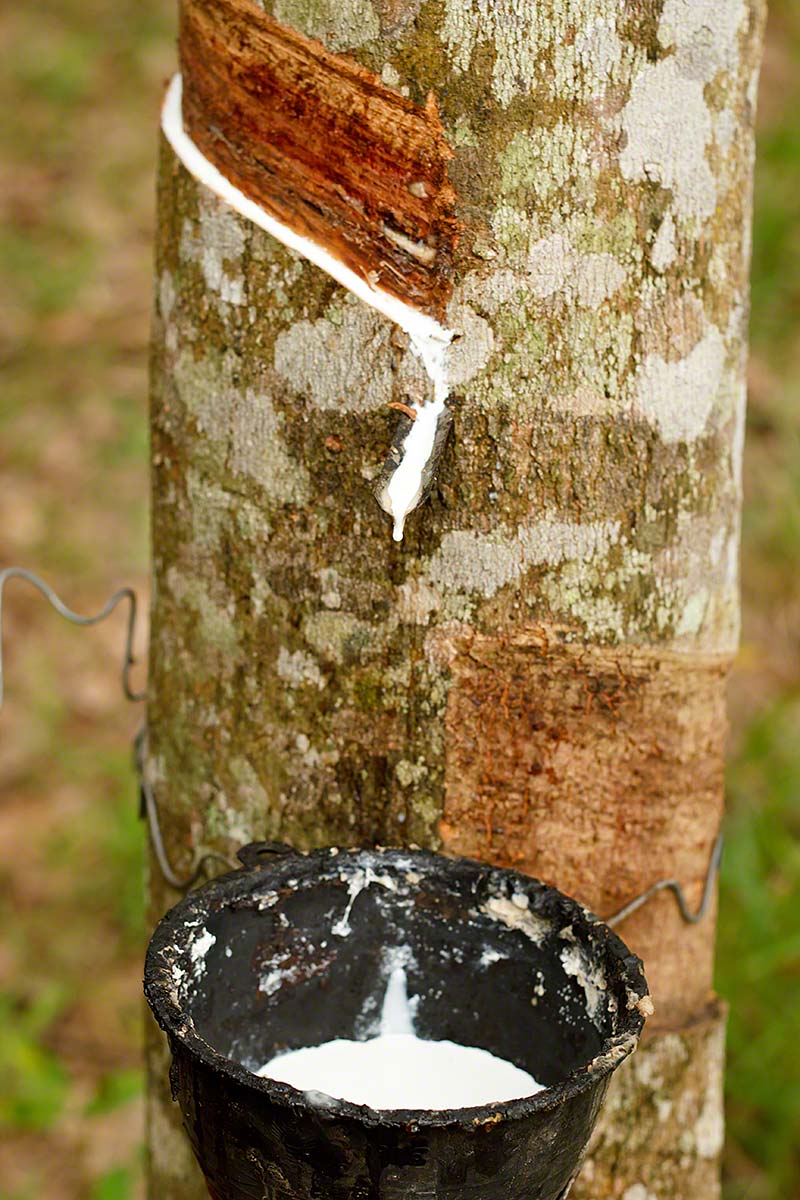
Tree Sap used as glue
The history of glue, part of the adhesive family, is an interesting and long one. There is evidence that our ancestors were experimenting with glue thousands and thousands of years ago. In fact, the cave paintings in Lascaux, France, which date back over 17,300 years, are believed to showcase one of the earliest examples of glue. The Lascaux artists mixed glue with their paints as a way to help preserve their work. And glue had many other uses as well. Archeological excavations of burial sites from 4000 B.C. have found evidence of tree sap being used to repair pottery. Egyptians used animal glues to make papyrus and furniture, and the Greeks and Romans used it extensively in art – including mosaics and as a veneering agent. In the Middle Ages, monks illuminating texts used egg whites as a way of adhering gold leaf to paper.
Early examples of glue were made mainly from animal products (such as bones, hides, skins, and connective tissues), plant materials, or foods. The first commercial glue factory was established in Holland in 1700 and produced glue from animal hides, while the first patent for glue was issued in 1750 for a glue made from fish byproducts. Up until World War I, most glues and adhesives were made from a base of either animal parts, natural rubber, starch, or milk proteins. After World War I though, the plastic and chemical industries expanded rapidly and many new adhesive materials were developed.
In terms of wine, glue usage seems to be a little discussed topic that hasn’t been explored and studied to the same depth as glass bottles, stoppers (corks/closures), or labels. What is known though is that when lithography was invented at the end of the 1700s, producers were able to print wine labels in large quantities and the practice of gluing a label to a bottle (as opposed to painting on it or leaving it bare), grew more widespread. As most of the early glues were made from natural products, you might notice that old labels don’t adhere to bottles in the same way that many modern labels now do.
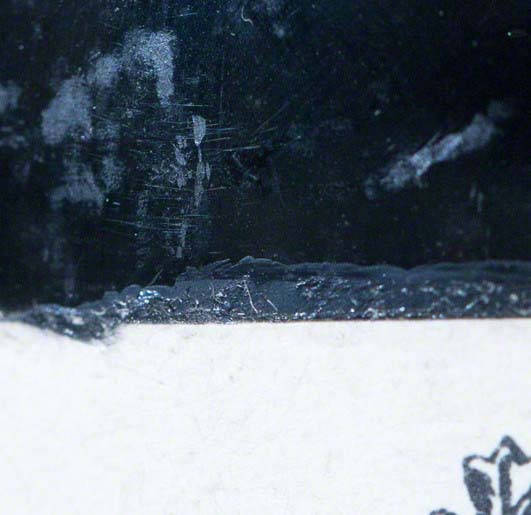
Glue in Nicks and Tears Suggest They Were Made Prior To Adhesion on the Bottle
Today, most labels have self-adhesive backings and many are waterproof to prevent the label from falling off of the bottle. Also, as older labels were glued onto bottles using natural adhesives, there is a tendency for the glue to become brittle with age and also for the label to fall off when exposed to humidity or water.
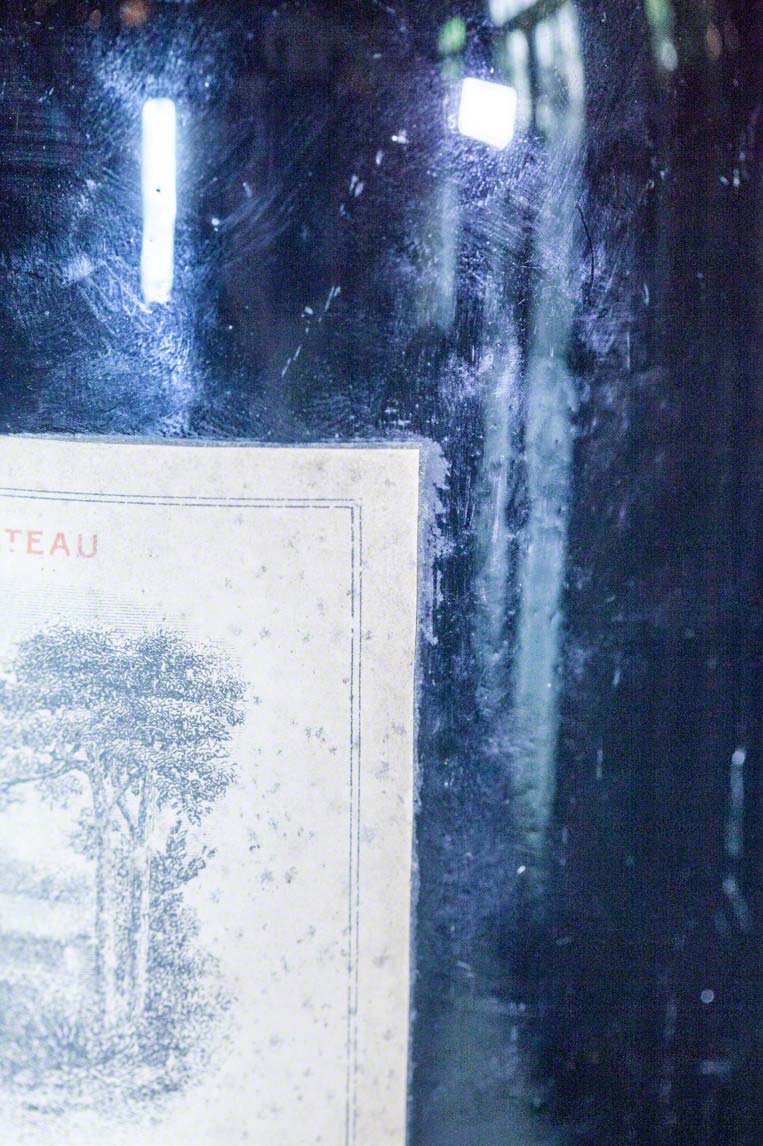
Inconsistent Adhesion For Its Era
As there are a number of different types of materials that can be used to make glues, there seems to be a wide variety of practices among wine producers in terms of using specific glues for wine labels. One interesting technique that is actually still popular today among home brewers and home winemakers involves using milk as an adhesive. In fact, according to Jean-Marie Fourrier, third-generation vigneron in Chambolle-Musigny, this was a technique commonly employed by Burgundian producers – even through the 1970s. Fourrier said that later, as glue became readily available, it was typical to just go and get glue from the store, just as any other person looking to do a craft might do, and it has replaced milk as a popular adhesive material.
While glue may not seem an interesting part of wine appreciation, next time you are examining a bottle, take a look at how the label is affixed to it. Older wines that have labels very firmly attached should warrant a second look, as this may be a clue that a modern adhesive has been used. If you are questioning a wine’s authenticity, this may be a warning sign.