Aging Techniques
Judge a Wine by Its Label…Aging Techniques
by Steve Morey
Consider your bottle of Château Lafite-Rothschild 1959; meticulously sourced, purchased, and cellared for the last decade. A properly aged “Claret” for certain; the appearance of a weathered label, a few random smudge marks, faded print, and subtle tears confirm your successful acquisition of a rare treasure from an illustrious producer. However, the veracity of that conclusion may give you pause today.
Physical inspection of wine labels and neck tags are key components in the process of validating bona fide wine. Along with consistency, when related to genuine examples, these elements are assessed first:
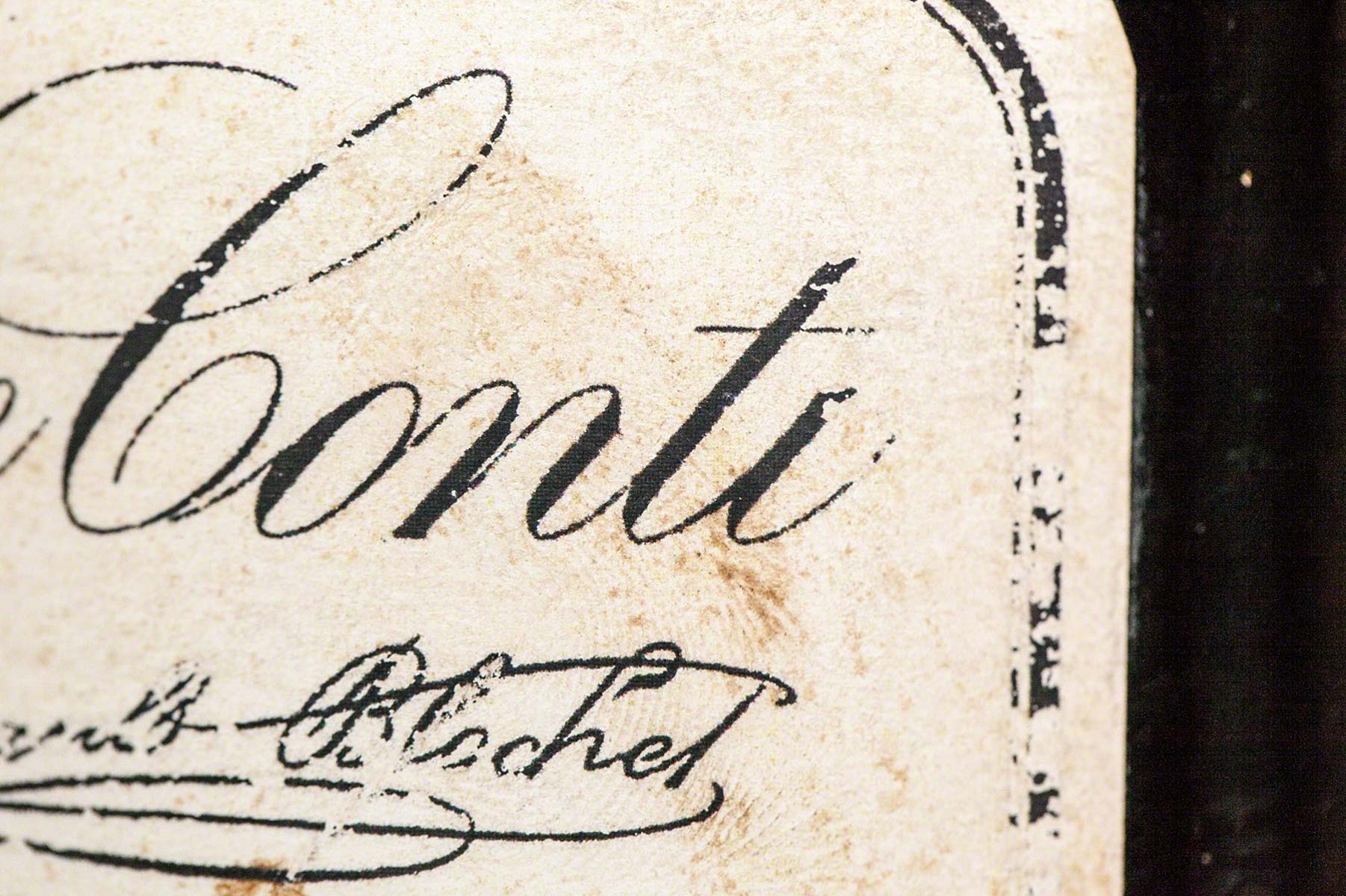
Printed on dirt
1) Paper stock – The production and quality of paper should be appropriate for the time period and producer in question. Color, watermarks, pattern, and ribbing are also confirmed;
2) Label size – Certification of dimension correctness;
3) Print – Appropriate font style, size, and ink tint. Affirm the print is embossed on the label utilizing relevant technology that is pertinent to the country, region, and producer; and
4) Glue – The composition of the substance used to affix a label will display consistent configurations as a result of winery production options. There should also be an absence of glue surrounding or around the label.
Gum in tears or nicks would also suggest that the label was torn before it was seated and puts into question its legitimacy.
Once this data is compiled, scrutiny of fraudulent aging techniques can be gauged through ancillary inspection and tests. Overall treatments to simulate label age take skill, a deft hand, and can easily be overdone.
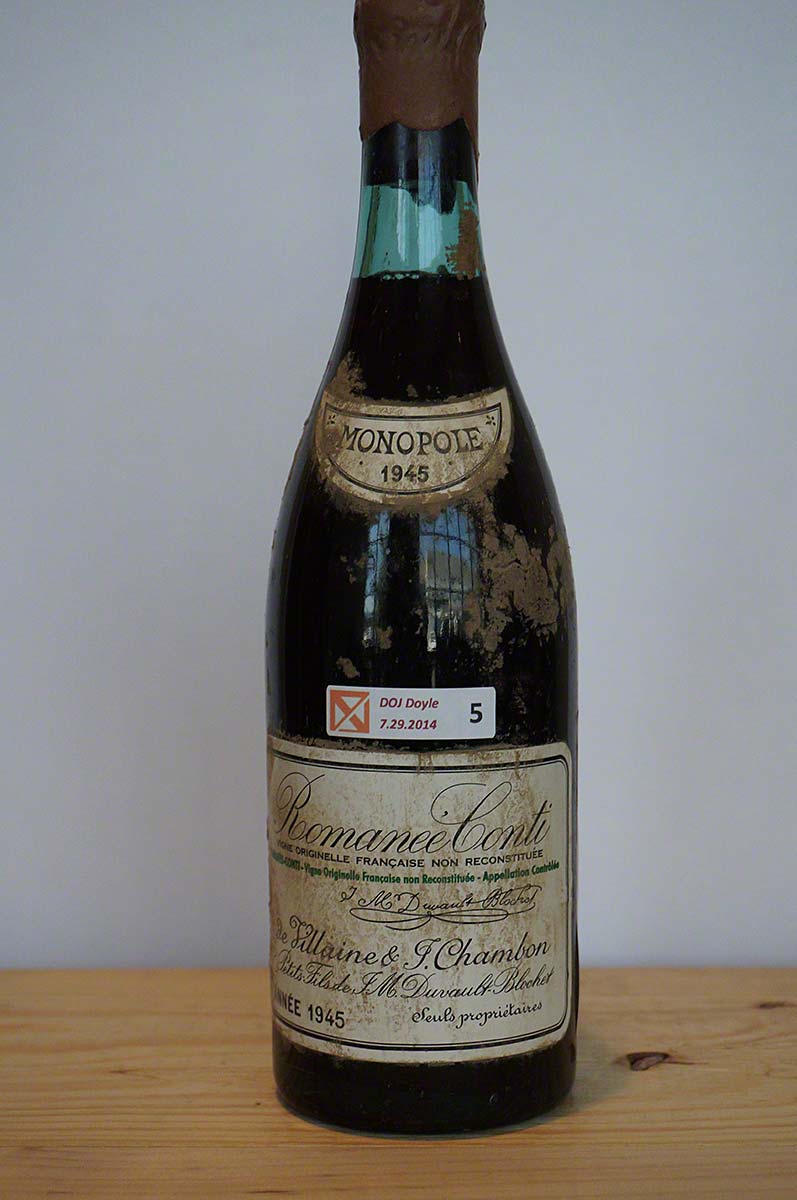
Water Does NOT Pool On A Cylindrical Surface!
Natural label wear would produce a gradual fading of paper, juxtaposed to darkening and a visual intensity of ink. More simplex regimens to recreate wear include exposure to the sun for a few days; baking in a 200 degree Fahrenheit oven for 5 minutes; and application of a heat gun, UV lamp, and/or a hand iron.
These often produce crude results in the hands of an inexperienced forger; however, used in concert with other applications and with subtlety, they result can be quite effective.
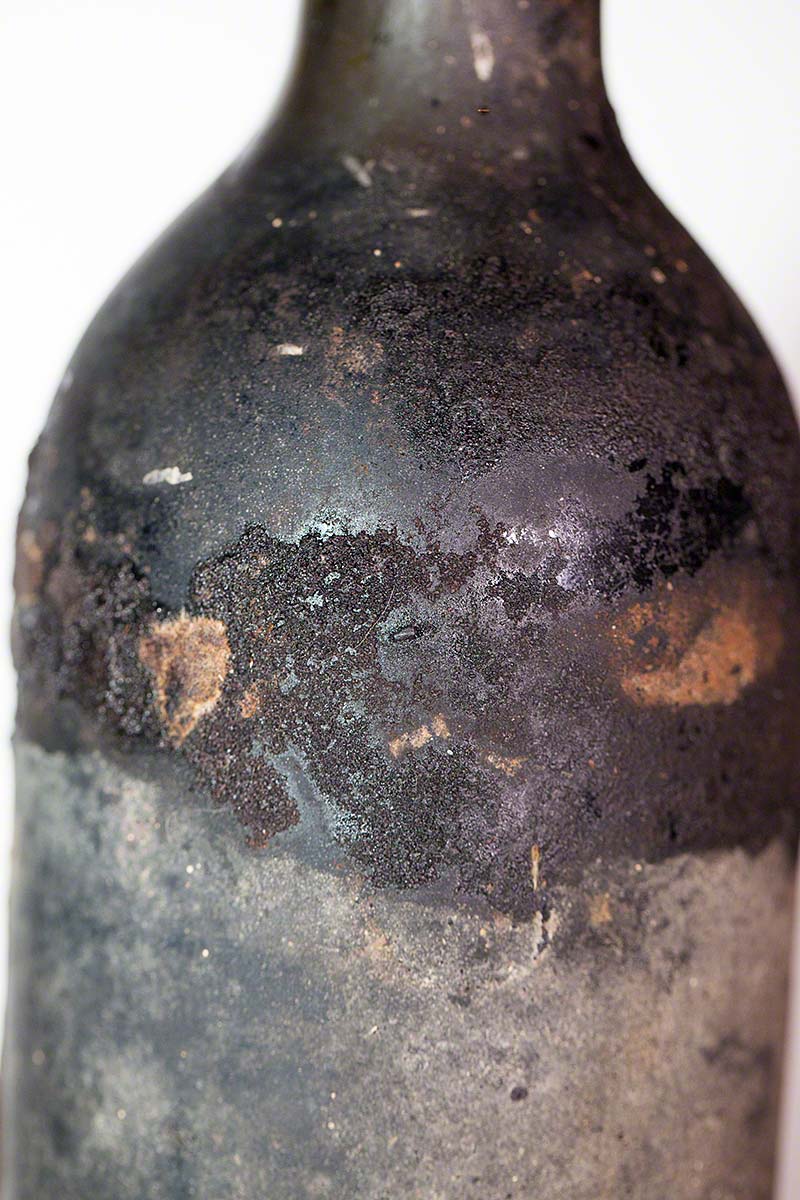
Dirt applied to imply age
Organic materials used to simulate label age seem limitless. Acid/base properties are carefully considered dependent upon the desired reaction to both paper and ink elements. Products most commonly used are coffee, tea, and orange juice to produce dark, medium, and light hues respectively. Vinegar, white and red wine, apple cider, lemon juice, soy sauce, tobacco, cocoa powder, and decorating chalk may also be applied singularly or in combination with one another. Whether these ingredients are diluted, steeped, or cured, the result is an “aged” effect and ultimate deception.
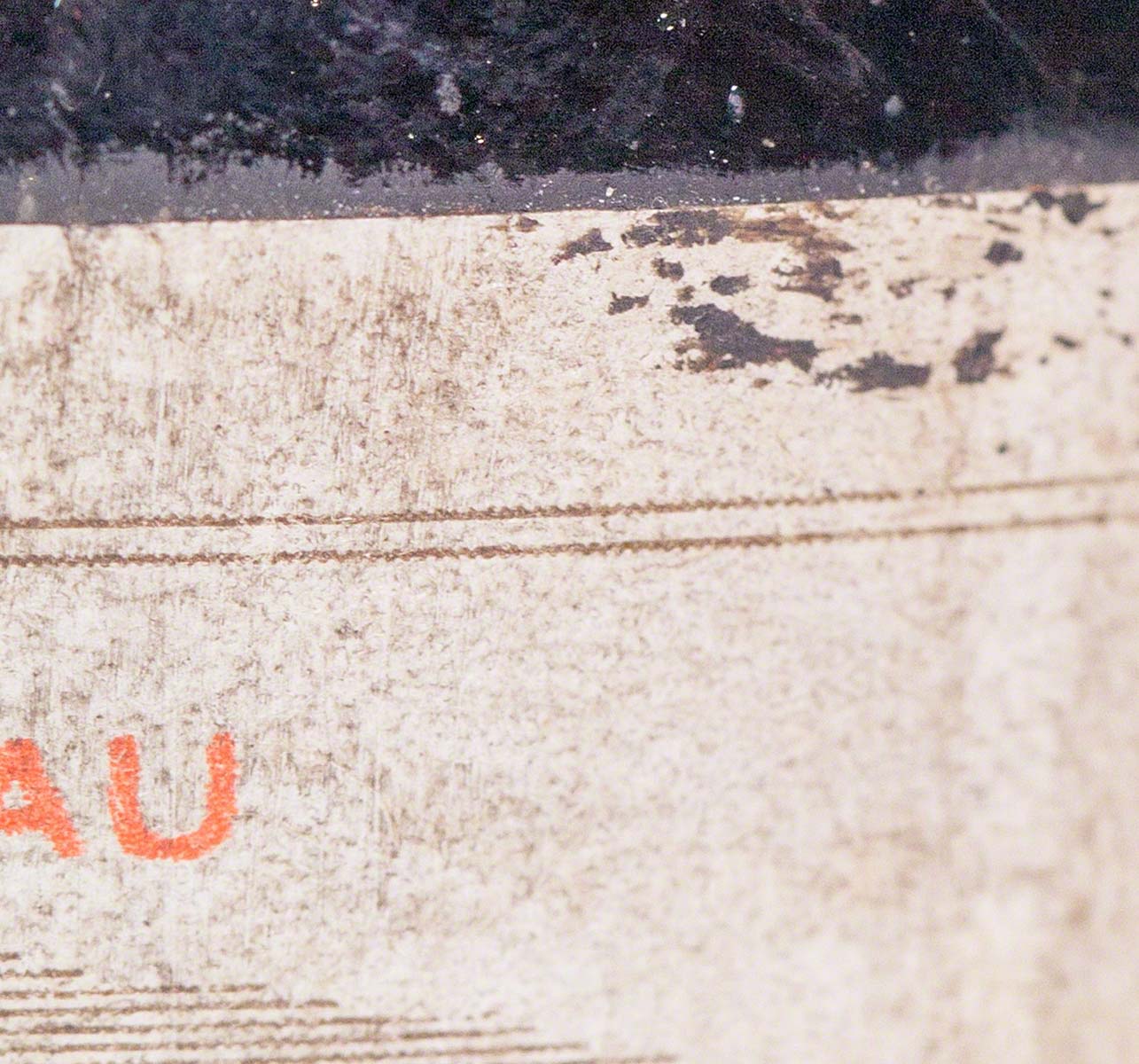
1791 Chateau Lafite Rothschild Shellac & Dirt Application To Mimic Age
Synthetic resources and tools, such as common bleach, varnish, lacquer, matte gel, cotton, or very fine steel wool and 1000-grain sandpaper can replicate maturity as well. For instance, a non-metallic dish is brushed with a small amount of bleach. The paper is placed on the surface, print side up, allowing the liquid to absorb through the underside to create the desired fading effect. One may also apply a fine mist or a feather paintbrush stroke to create the illusion of age.
Regardless of the substance, tool, and composition of the medium, an artist’s approach to the canvas is a prerequisite for forgery to be successful. Techniques gleaned from master painters are rewarded in the highly lucrative counterfeit wine label business. Although not to be deterred by skill alone, there is also a booming online market for old, vintage labels and empty wine bottles from remarkable producers and legendary vintages.
In response, investment in security packaging for modern labels is growing. Producers are beginning to incorporate a myriad of technologies to their labeling protocol. Laser codes, lenticular watermarking, microtext, and printed seals with SIPCA ink, such a s those used for producing bank notes and high security documents, are being employed.
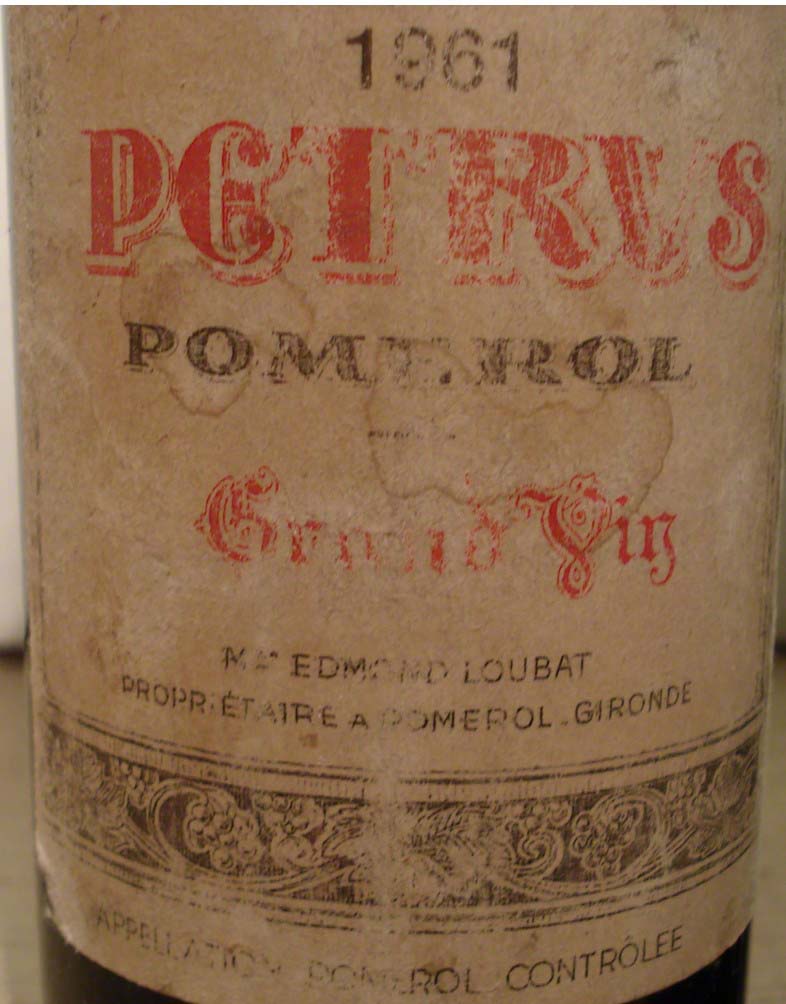
Water Does NOT Pool On A Cylindrical Surface!
Experts deduce that it is impossible to comprehend the size and scope of the wine counterfeit market, let alone the history of the practice. Industry insiders have long ignored the problem and, collectively, producers, importers, and brokers have been hesitant to alarm consumers. The fear of financial and legal liability has fueled the complex industry of wine forgery, and the advent of sophisticated technology has advanced the breadth of the crime.
Engage in due diligence before becoming a victim of fraud by consulting qualified experts and industry professionals with experience in purchasing authentic wine coupled with identifying and certifying fraudulent imposters.
For pictures of labels made by Rudy Kurniawan, click here