Consistency
By Maureen Downey
If I had to choose just one factor that is the most important to consider in inspecting for authenticity, it would be basic wine knowledge. It is amazing how many counterfeit bottles have passed, and continue to pass, through the hands of vendors who claim to be experts, but who are lacking the most basic facts of wine knowledge. In order to be able to consider if wines are consistent with authentic or inauthentic examples, one must first understand what that means. History, appellations, laws and basic standards of production need to be understood.
Once basic wine knowledge is tackled (which means many an expert needs to go back to level one courses and refresh!) the most important aspect to consider when authenticating a bottle of wine is consistency. As long as you have a solid foundation of wine knowledge, inspecting for consistency is largely an exercise in common sense.
Many counterfeiters have succeeded in creating very good individual pieces of counterfeit bottles; however, when those pieces are assembled together, the individual pieces do not fit. Often, the individual pieces are inconsistent with the alleged era of production or the standards of the alleged producers. Sometimes the individual pieces are in conflict with the laws and legal production and export/import requirements of a given alleged production period, or purported import date. For this reason, consistency is the first and last attribute I focus on when inspecting a bottle of wine for authenticity.
Initially, I am looking at the whole bottle for consistency – taking it all in. To ensure I examine it thoroughly, I follow a two-phase systematic approach.
Does the bottle have:
1. Correct materials from the alleged era of production, or of the alleged reconditioning?
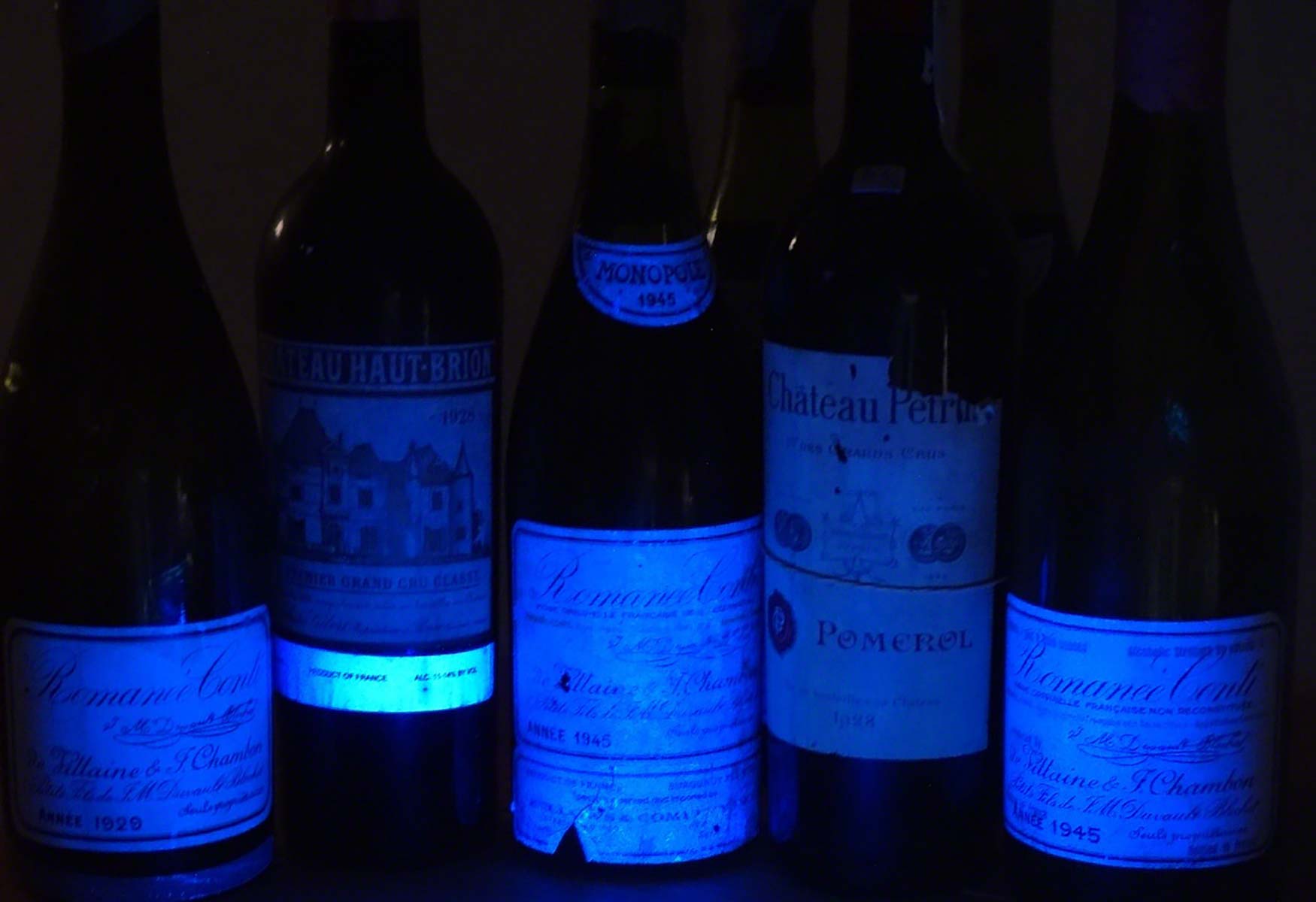
Correct Materials from Alleged Era of Production
2. Known production standards of the producers?
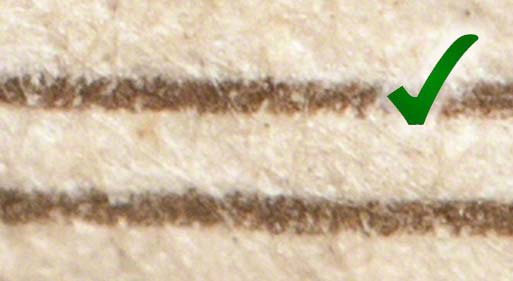
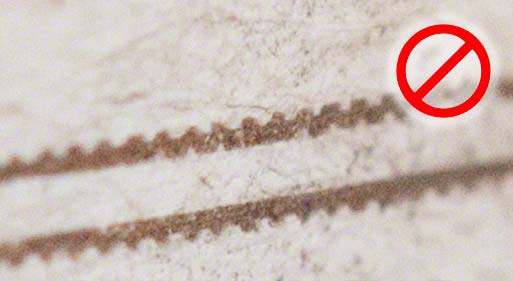
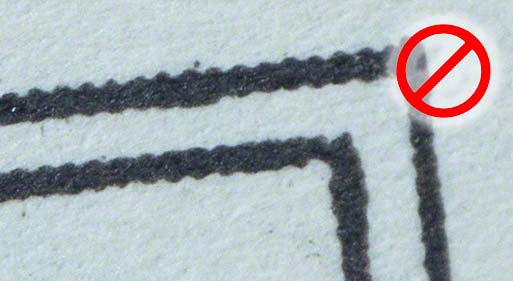
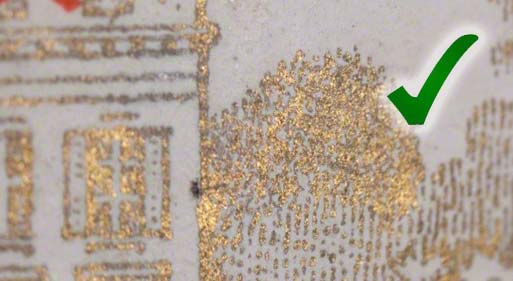
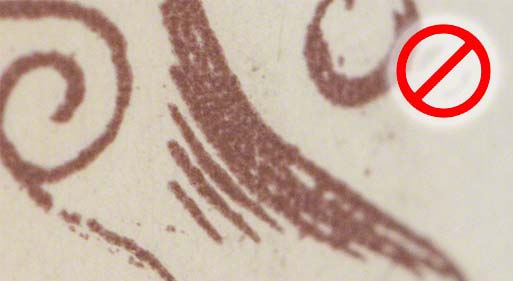
3. Legal requirements of the bottling at the time of alleged production?
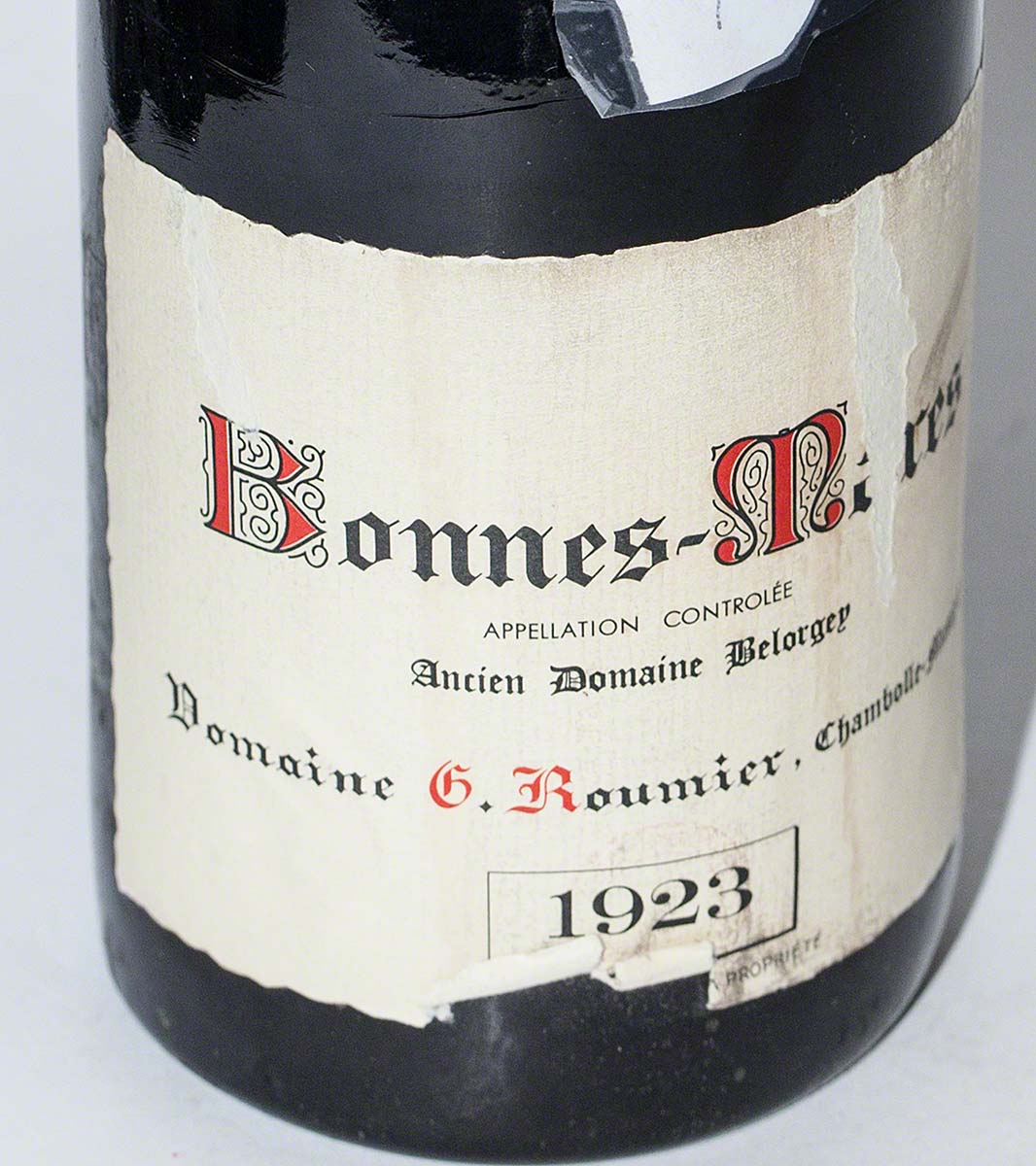
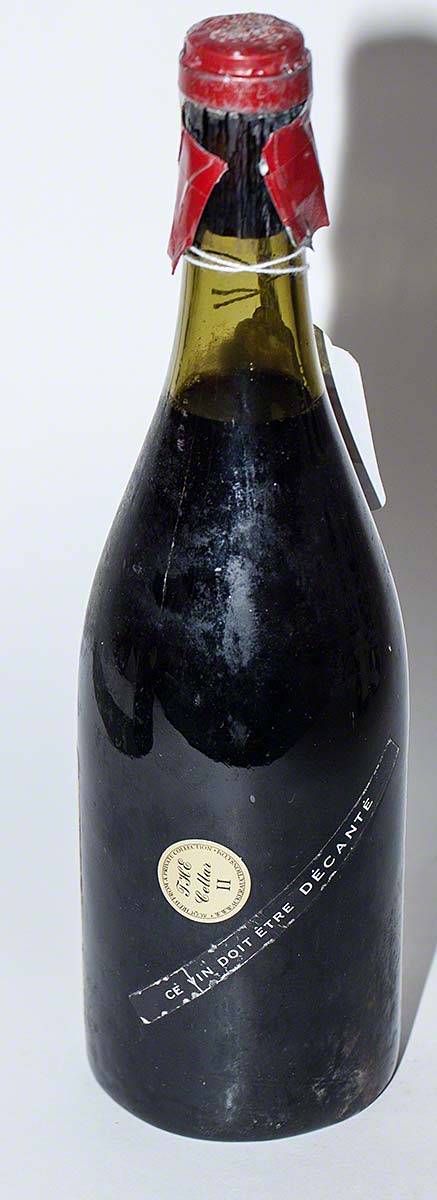
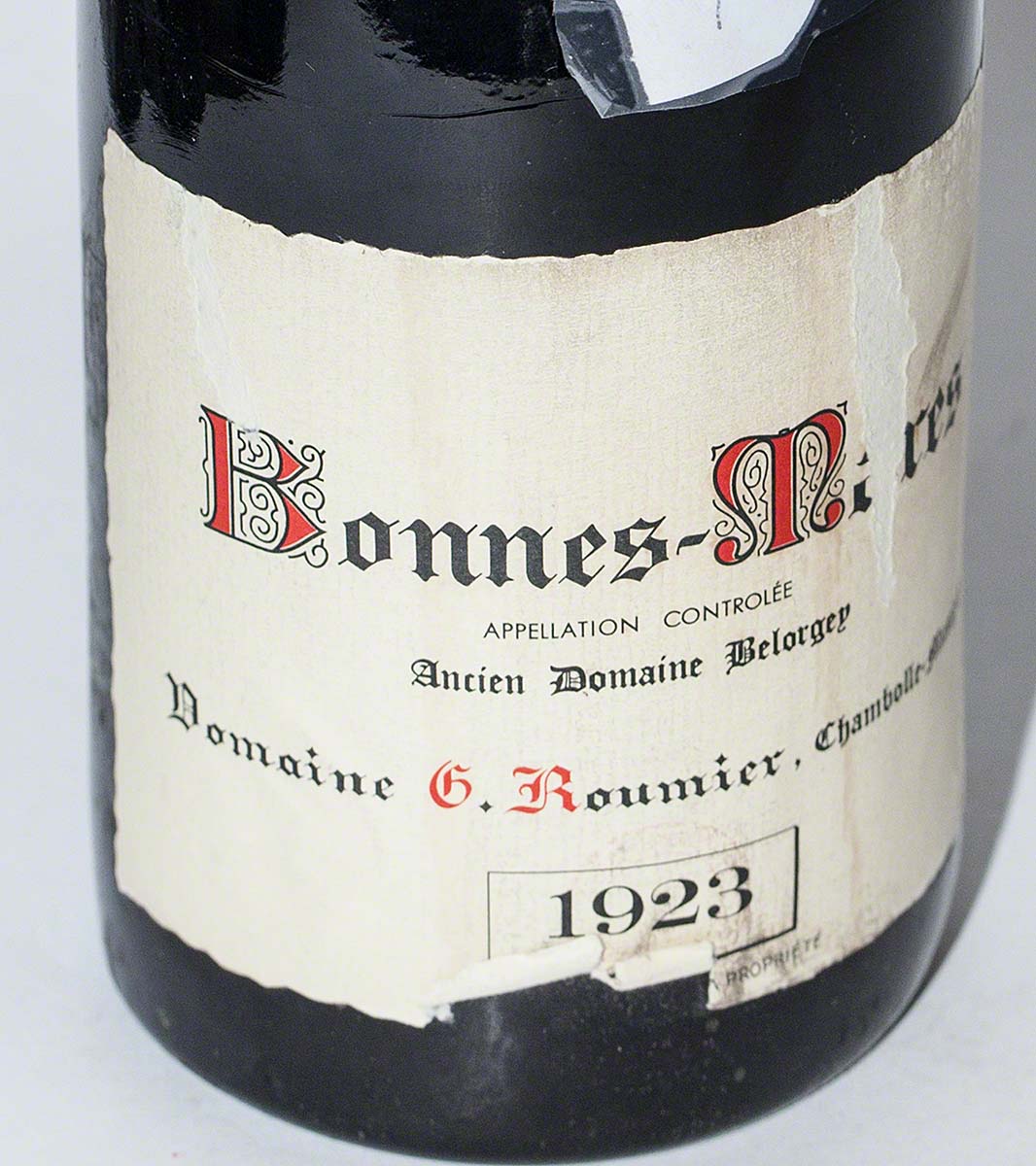
4.Legal requirements of import in your market according to the stated provenance?
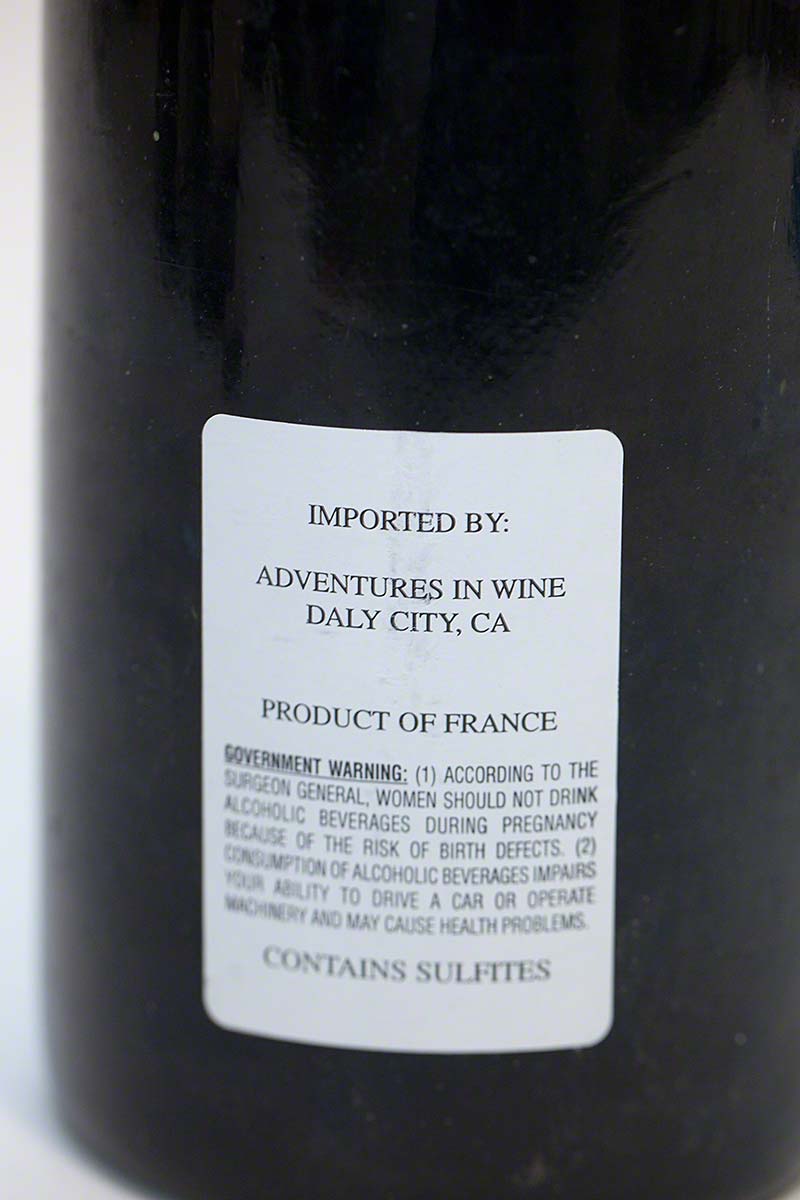
Legit Import & Govt Health Warning
5. Known counterfeit production?
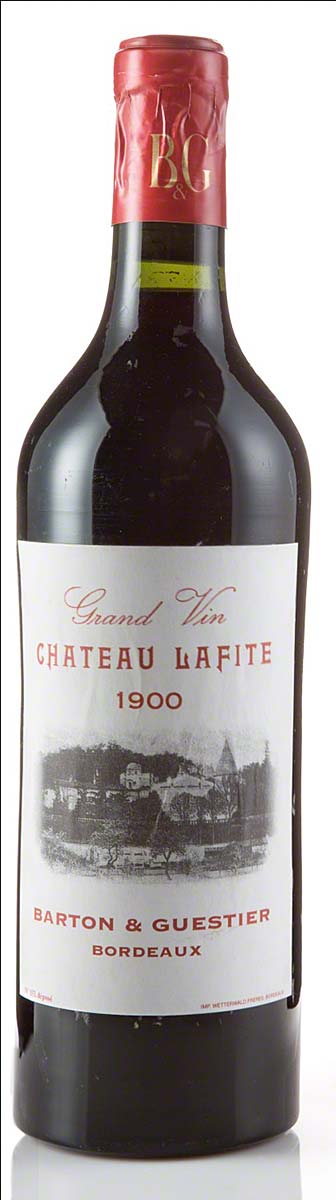
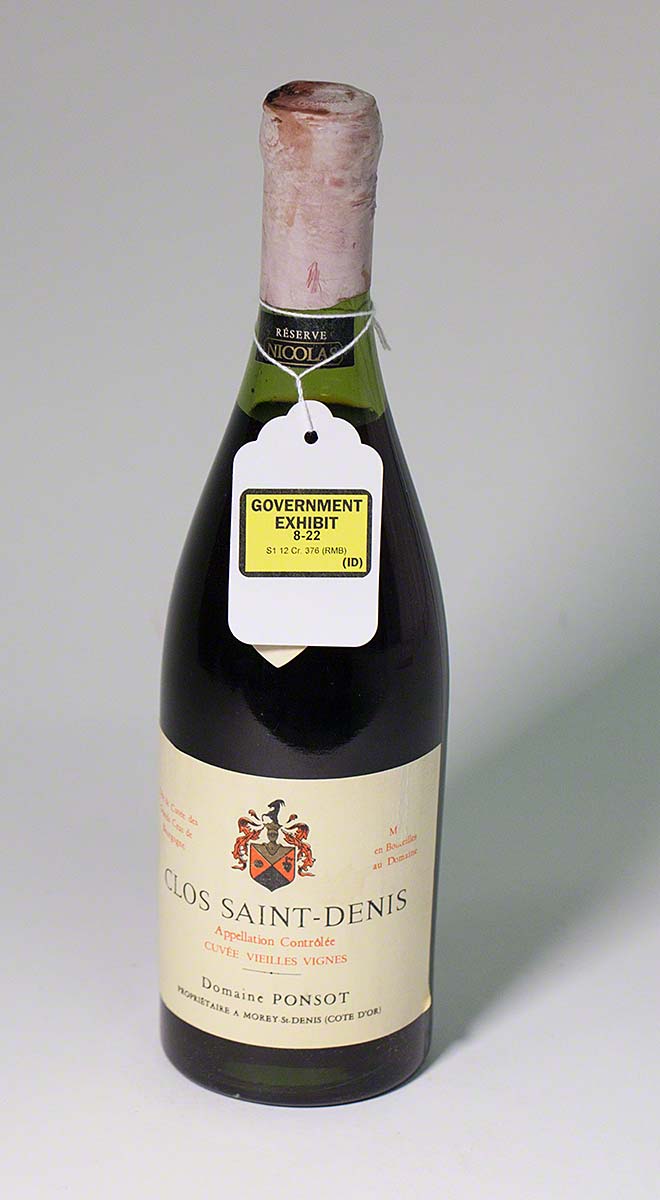
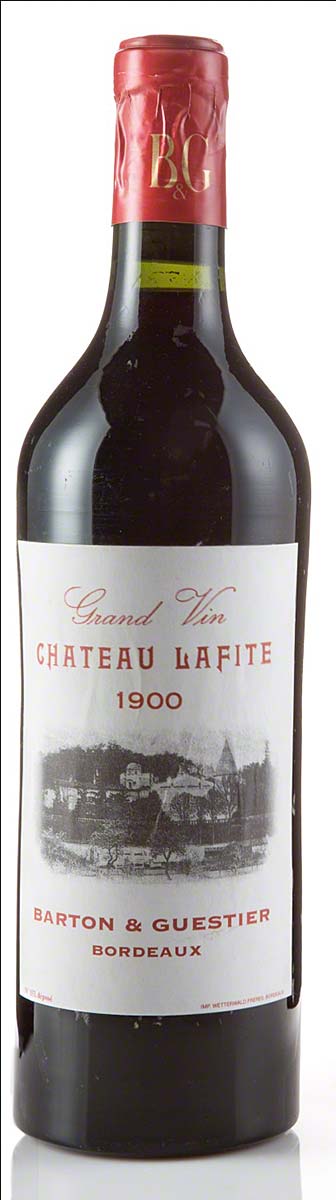
The first phase of inspecting for consistency involves considering the individual pieces of a bottle and, and in looking at groups, consistency between bottles.
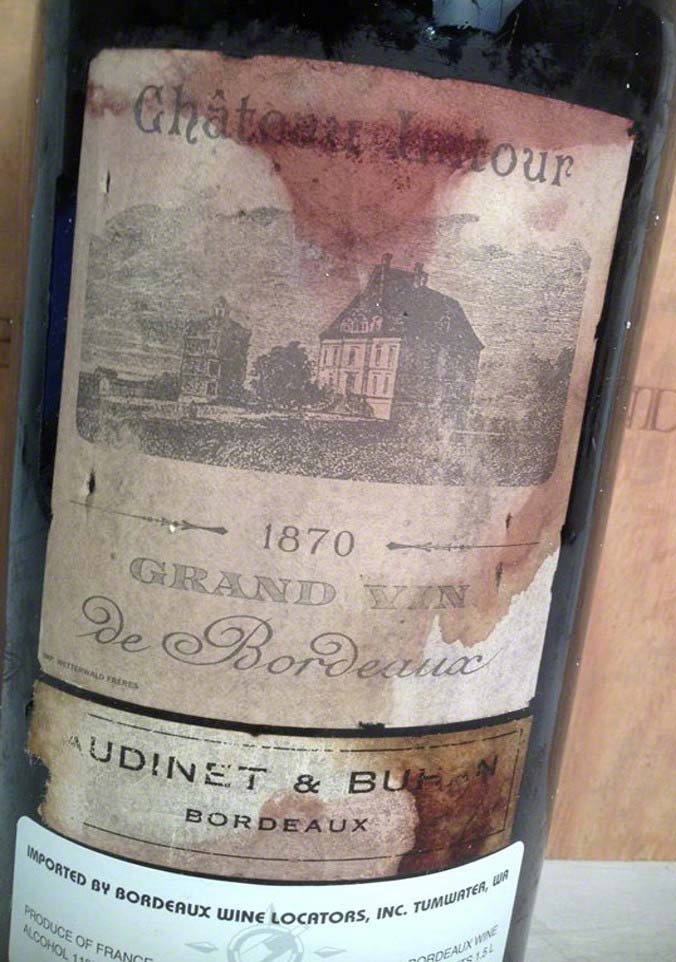
Do the pieces look like they have aged together? Does the bottle resemble a 30-year-old face on a 70-year-old body? Or, a 70-year-old face on a 30-year-old body? If you saw a person that fit this description, you would KNOW there had been some work done. When a bottle of wine has a label that looks like it has gone through world wars, or a series of natural disasters, but the capsule is pristine, lacking age, oxidation, and wear, and the cork is pristine with an incredibly high fill – the same conclusion should be reached. Other red flags would be if a bottle has a corroded capsule with lots of apparent seepage, but a pristine cork, or a nasty rotted cork with a pristine capsule and a low fill. Bottles of wine do not age this way. All the pieces have to have gone through the same conditions throughout the life of the bottle.
Most counterfeit wines are the combined production of many individual pieces that are brought together to replicate a real bottle. Those pieces are created separately, including false ageing, staining, and nicks, and then they are, typically, placed onan already full bottle with who knows what inside. In my experience, this results in labels with stains that do not match one to the next, with ome labels that look dreadful, and others that are fresh crisp on the same bottle allegedly for the last 30, 40, or even 70 years. Or seepage stains that do not continue to adjacent labels, somehow defying gravity. In addition, there are often patterns to the ageing that are consistent from bottle to bottle, or nicks that are exactly the same on two different bottles in a parcel, but that are allegedly from different sources.
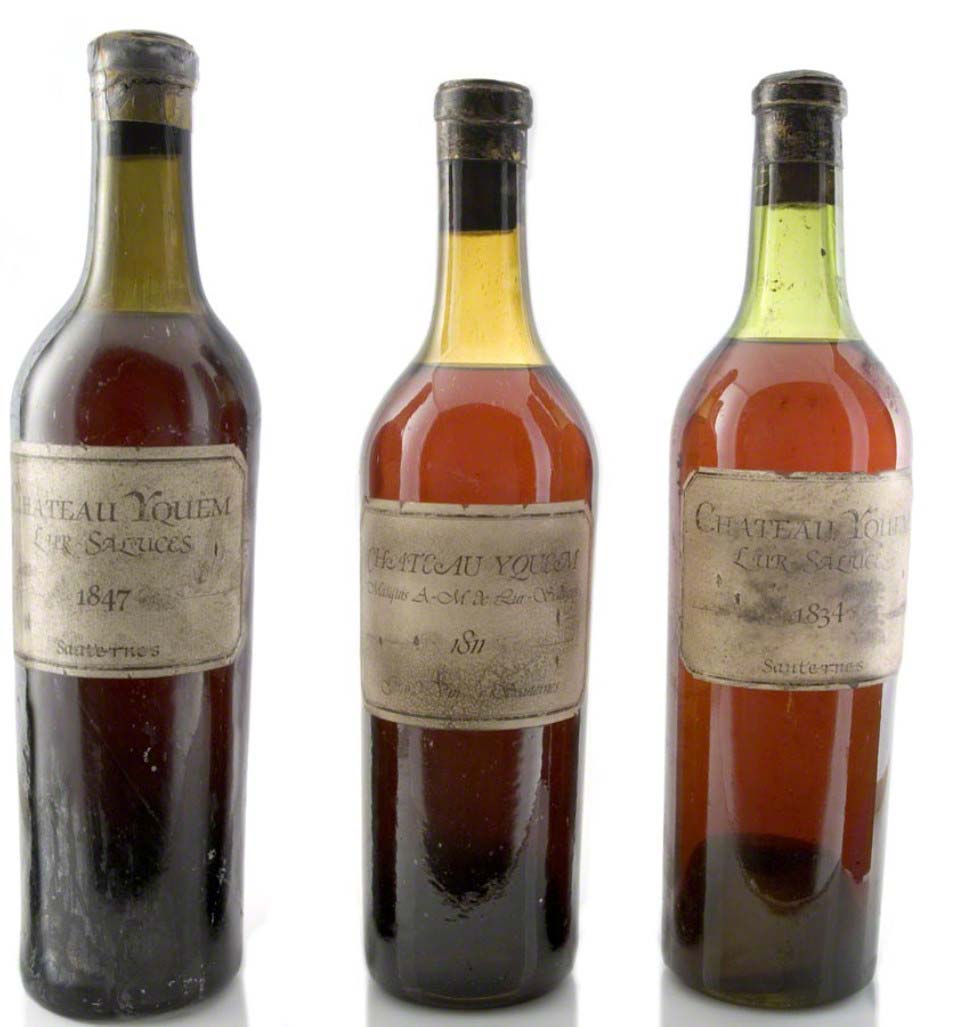
In the instance of similar, purpose-made ageing or nicks and tears, as demonstrated by these 3 bottles of alleged ancient Chateau d’Yquem (see above), sometimes the consistency between bottles is cause for alarm. Here, these 3 bottles span almost 40 years between productions. The bottles display incredibly different color, but they are otherwise exact replicas of each other. In this case, it is the consistency, rather than lack of it, that is the problem.. A bottle that is as old as these claim to be should have unique characteristics.
After looking at the consistency of all the different pieces of a bottle, or even of different bottles in a collection, or group, as they relate to each other, I move to the second phase of my approach, which is to delve into the separate characteristics of the bottle. It is important to spend time to look at each one for its individual consistency with the same criteria, which are:
1. The materials are consistent with the era of production.
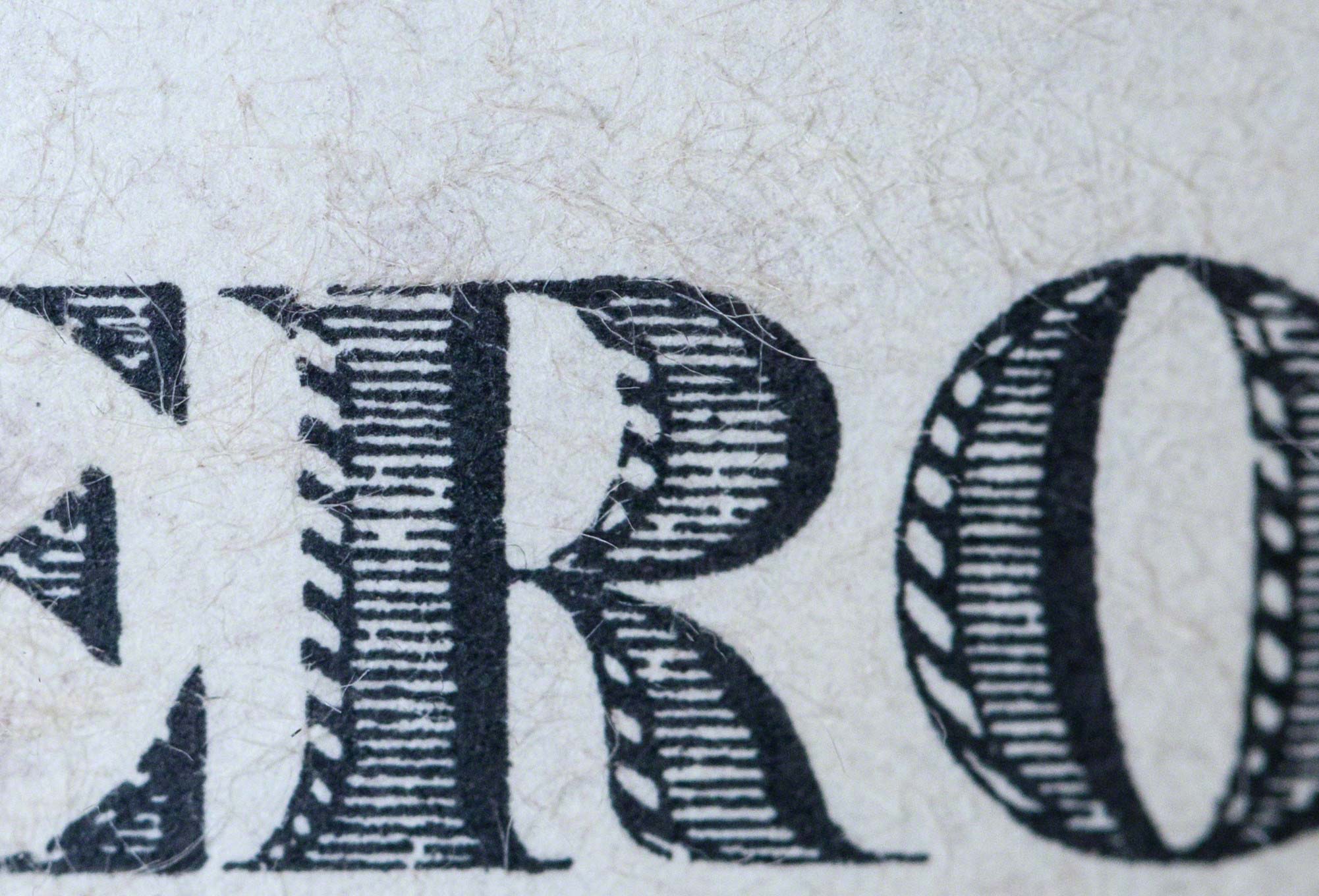
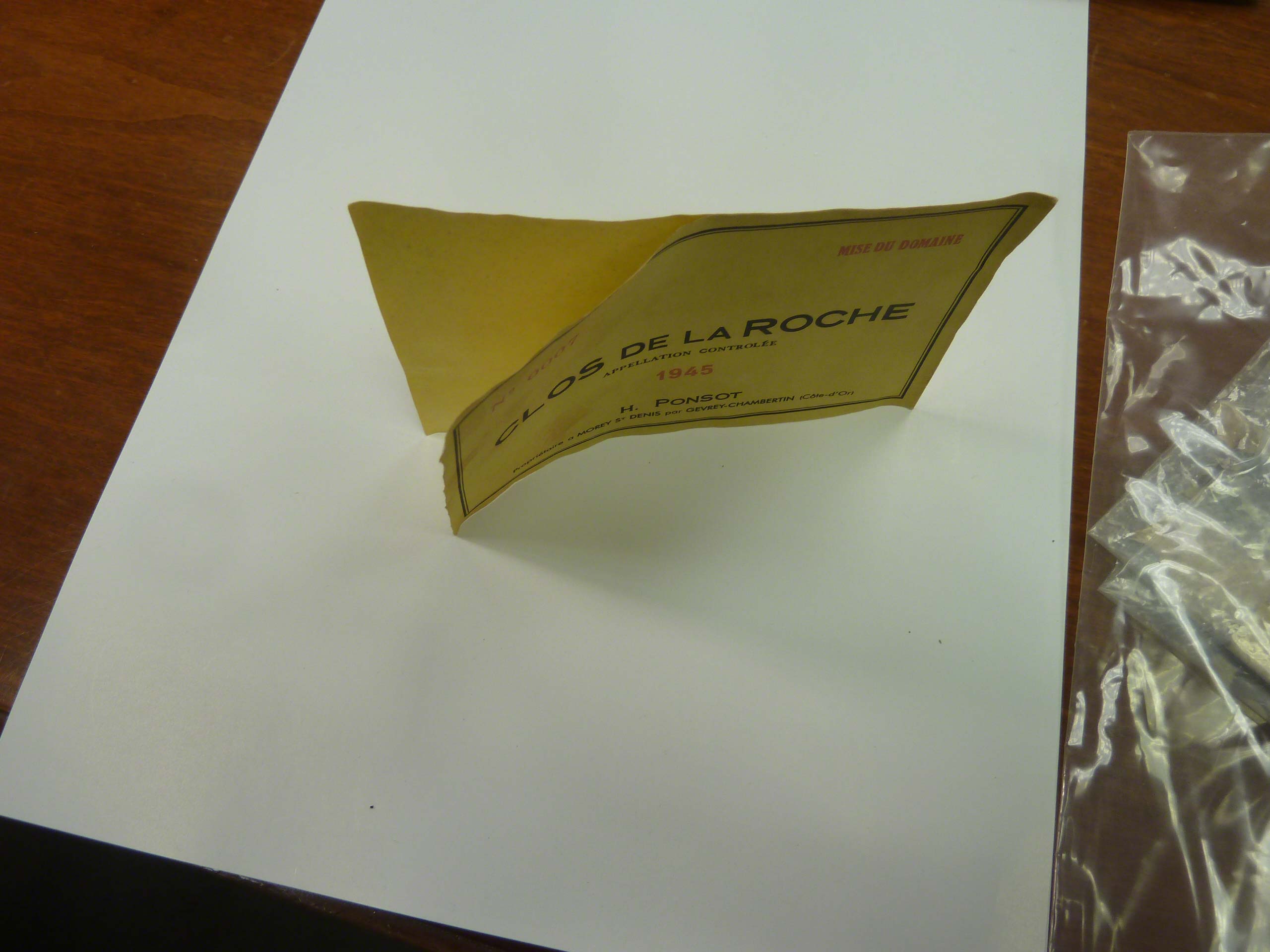
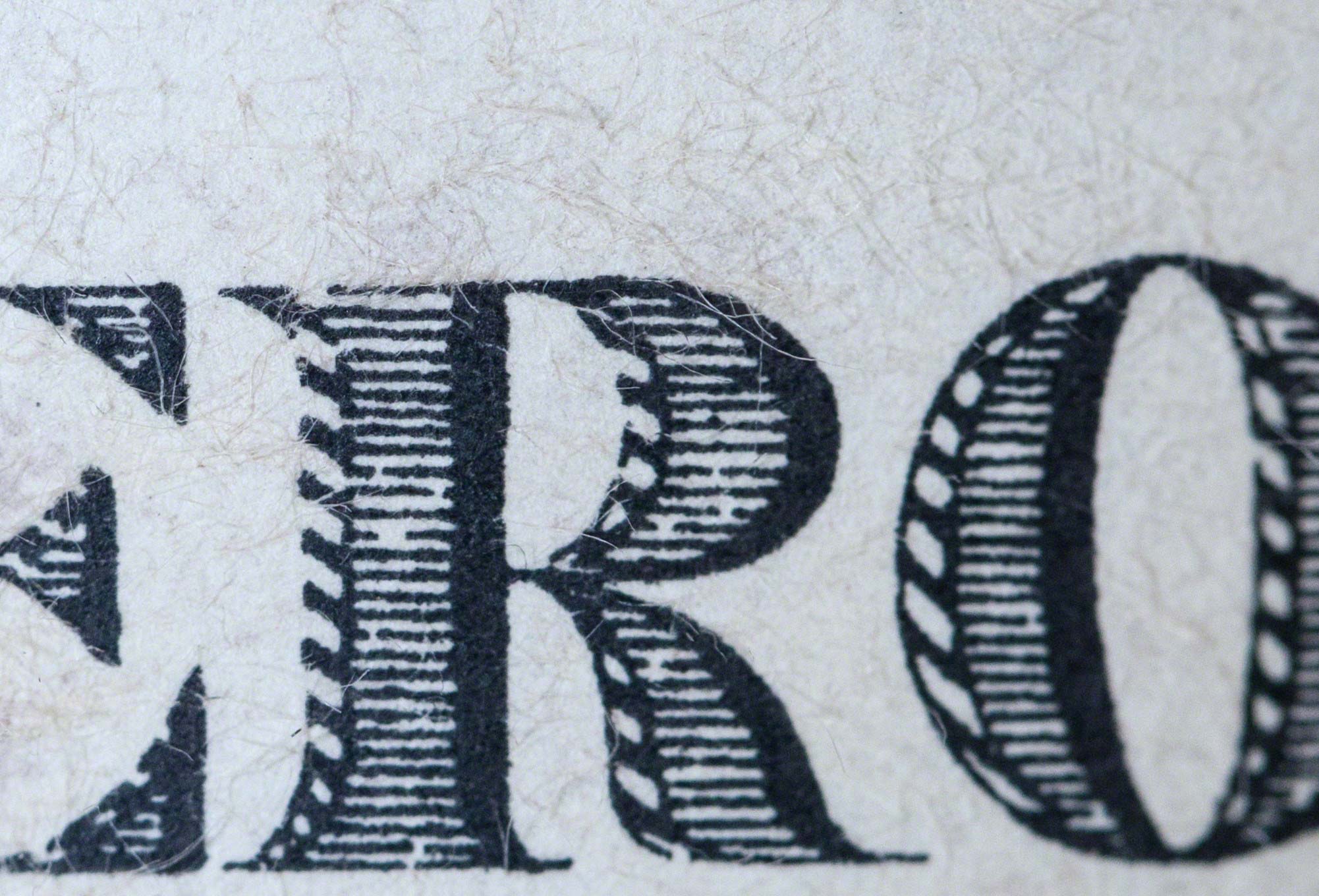
2. The production standards are consistent with what the producer was doing at the time of alleged production.
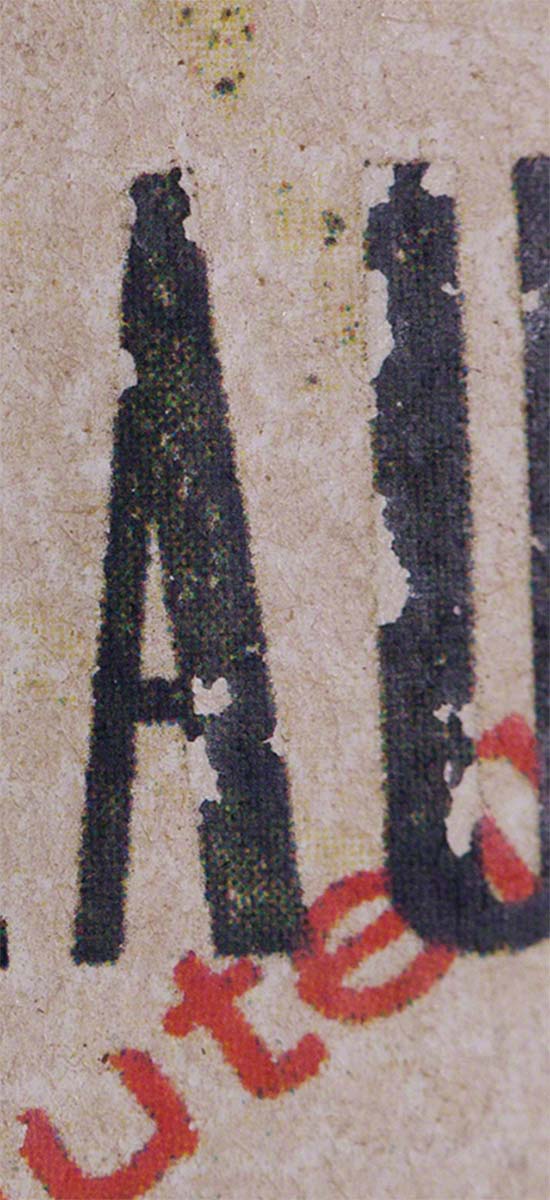
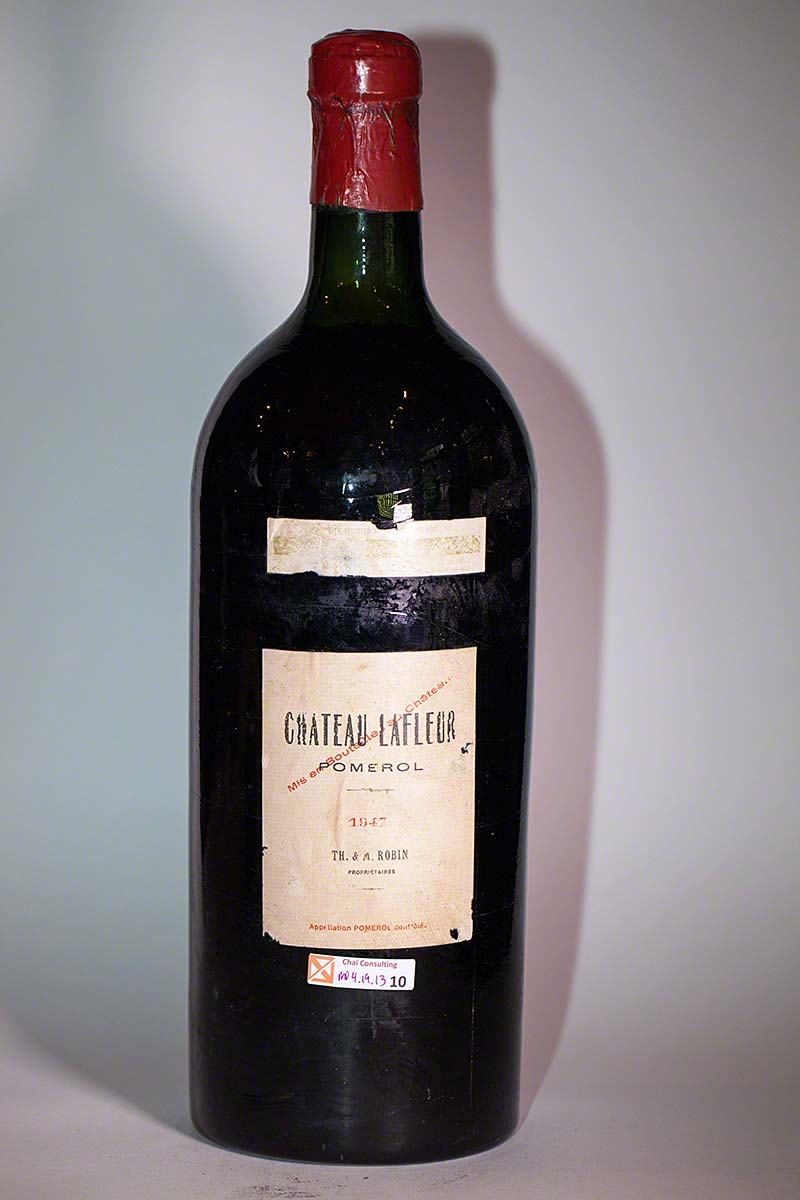
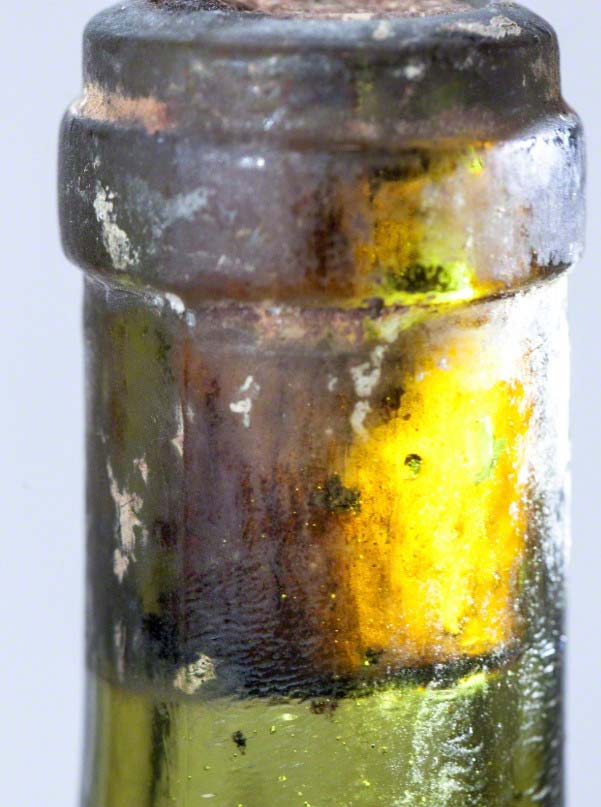

3. The information and materials are consistent with the laws and regulations of the era of production.
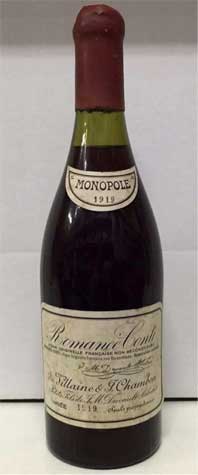
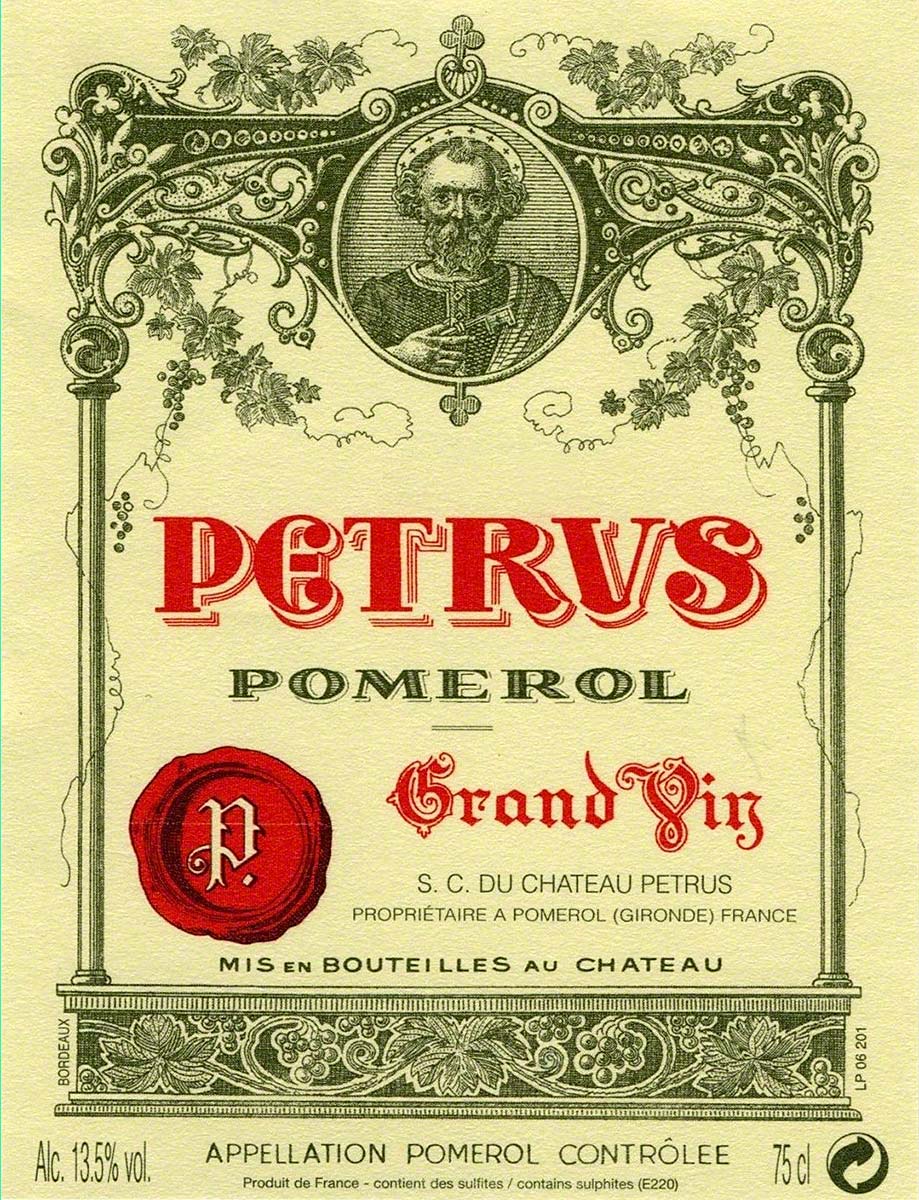
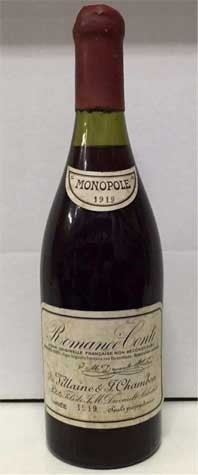
4. The bottle is consistent with the laws and regulations in your import market, especially as that pertains to your understanding of the alleged timing of the wine coming into your market.
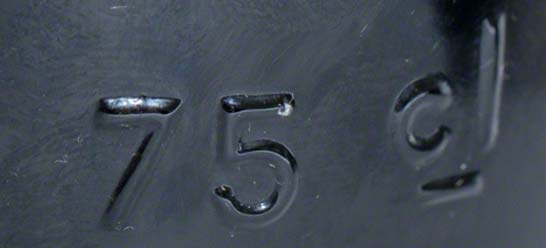
5. That the bottle is NOT consistent with known counterfeit bottles, nor does it have characteristics that are tells of known counterfeit production. Further, that the bottles are not so consistent in their “ageing”: that it is apparent it has been fabricated to mimic age and wear.
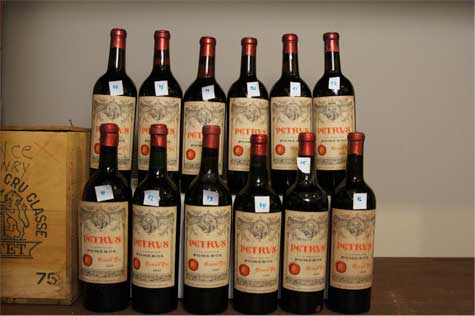
Below is a list of questions you should consider when inspecting a bottle for consistency, or lack thereof:
- Glass- Is the glass consistent with the alleged age of production?
- Is this the glass manufacturer the producer used at the alleged time of production?
- Does the glass meet legal food packaging requirements?
- FACT – World War IIwas over in 1945. There was not a glass shortage into the 1960s as the sketchy vendors and apologists would have you believe!!
- Main Label-
- Size- Is the size consistent with production of the era? For example, Petrus did not use large labels on large formats until relatively recently…. Large labels on ancient bottles are an automatic red flag.
- Paper- Is it the right paper? Correct weight, texture, and watermark? Is the paper appropriate for its alleged age? Is it made from the correct materials? Does it have materials that did not exist, or were not used, in paper production at the time of the alleged production?
- Paper oxidizes and becomes frail with time. A label that is 50 years old, will not have the strength of an index card, or even a fresh piece of paper.
- Print Method(s)- Was the ink applied on the paper in the same method as the producer used at the time of alleged production? Offset letter press has been around for a long time; computer pixilation, not so much.
- Information- Is the information on the main label accurate, and does it match production of the alleged vintage? Appellation Controlee was not put in place until 1936, it should not be on bottles prior to the 1935 vintage. Over time, businesses change corporate structure and ownership. There should not be an LLC equivalent on a bottle before a producer became an LLC. Are the signatures accurate for the owners at the time? Spelling can even be an issue.
- Vintage Tags and Neck Tags- Is the paper, age, condition. and production method consistent with the main label?
- Back Labels- Are these consistent with producer and importer procedures? The front and back labels should match. Yes, there is a grey market, but many producers who number their bottles know which markets get which numbers. Import Labels- Is there an import label? In the USA, is there a government warning label? When was the bottle imported? Are the labels on the bottle consistent with the laws and regulations of your market for the alleged provenance of the bottle or bottles?
- Capsules- Materials, conditions, size, and art all need to be considered. Is the condition consistent with reapplication? Many, many counterfeits have producer correct capsules that have been reused from previous bottles, and they are often inconsistent with the alleged era of production or alleged reconditioning date.
- Corks- Are they consistent with regional standards or regulations? Quality and brand need to be consistent with the producer. Most fine and rare producers brand their corks, they do not ink the art onto the corks. Is the art consistent with the alleged vintage and producer?
- Glue- Is it consistent with the era of production? White ‘Elmer’s Glue was not commercially available until the late 1950s. Old bottles should not be smothered with it. Glue stains with age. Glue should not be INSIDE nicks and tears that look like they have been purpose-made with sharp objects.
- Information- Is the information, art, and logos consistent with the alleged era of production?
- Sediment- Is the sediment consistent with age, and detritus matter?
- Special Bottlings- Is this really a special bottling, or is that a convenient story to cover up the inconsistencies of a counterfeit bottle? Is it really Etablissement Nicolas, or is that just covering up a counterfeit and being used as the excuse? I am VERY WARY of “Special Bottlings…”
- Condition, Oxidation, Age, and Wear- Are these consistent with the alleged age and provenance of the bottle? Is dirt smeared on to mimic age, or is the age consistent with natural bin soiling? Is the old paper oxidized?
Shady vendors and apologists will explain away all inconsistencies as special bottling, secret bottling, or claim that the bottle has been recorked/reconditioned. This in and of itself is a red flag to me. Unfortunately, if there is no evidence from the producer that they have recorked or reconditioned the bottle in question, the tales of reconditioning cannot be substantiated. The wine may be great, and it may be a fantastic stash from a secret bottling that only the source knows about. But if the producer cannot substantiate it, or will not substantiate it, or the wine in consistent with what we KNOW to be production standards, the wine can simply not be sold as what it claims to be.