Print Methods
For wine producers, there are a myriad of ways to create labels, and different print methods to create beautiful collector-style labels with designs that pop off the shelf. As counterfeiting has become more of a threat to producers, many have begun to use the labels and how they are printed as ways to thwart counterfeiters. As an authenticator, knowing as much about these processes can help you determine how the label was made, and therefore if the label you are looking at is consistent with the manners the producers use to create their authentic bottles of wine.
Travis Pollard of Paragon Label shared his knowledge on many different types of print methods, and how his company uses them to create wine labels.
LETTERPRESS
Letterpress, not often used today, was invented by Johannes Gutenberg in the mid 15th century. This was the common method of printing until the 20th century when offset printing became more popular. This process is a relief printing method in which letters or designs are created in metals, silicone, wood, or other materials, run in ink, then pressed onto paper. These can be applied in a flat sheet or on rollers.
LITHOGRAPHY
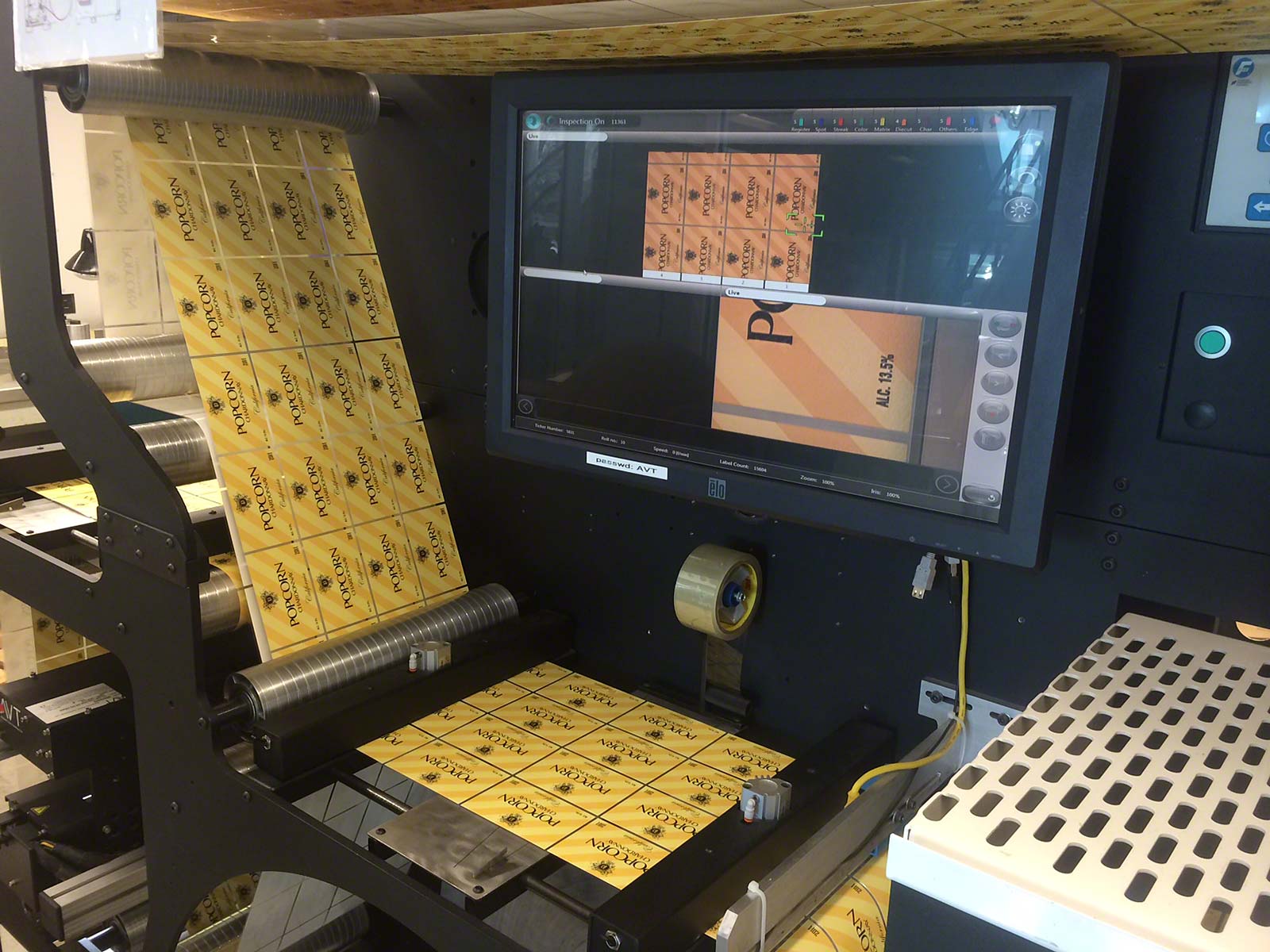
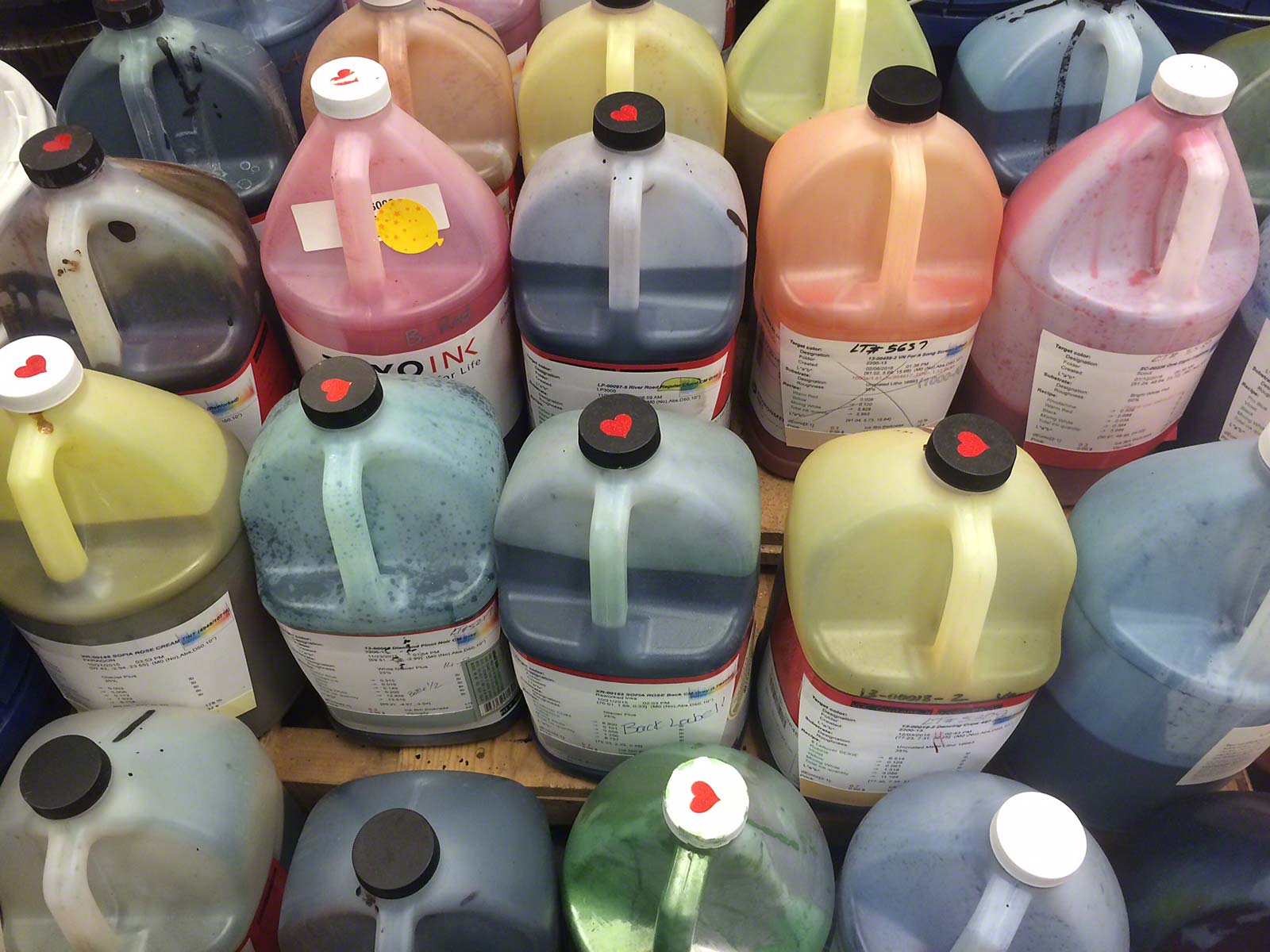
Also known as off-set printing, this is a very popular form of printing on labels. There are two types of off-set printing: Rotary and Sheet. Within these categories, the actual ink can be applied in three different manners.
The first, is a traditional offset print method in which a metal plate uses an emulsion and water combination to form an image. The inks have oil in them, which repels the water placed on the white space of the image, forming the lines. This metal piece is then pressed onto a blanket roller transferring the image, which is then pressed onto the paper, revealing the final image.
Waterless offset printing uses a silicone plate which repels the ink in the place of water, transferring the image to the blanket, then to the paper.
Finally, digital lithography takes an aluminum plate called a photo imaging plate (PIP) and uses a laser to create the image which transfers to the blanket, ink is applied, and is pressed to the labels.
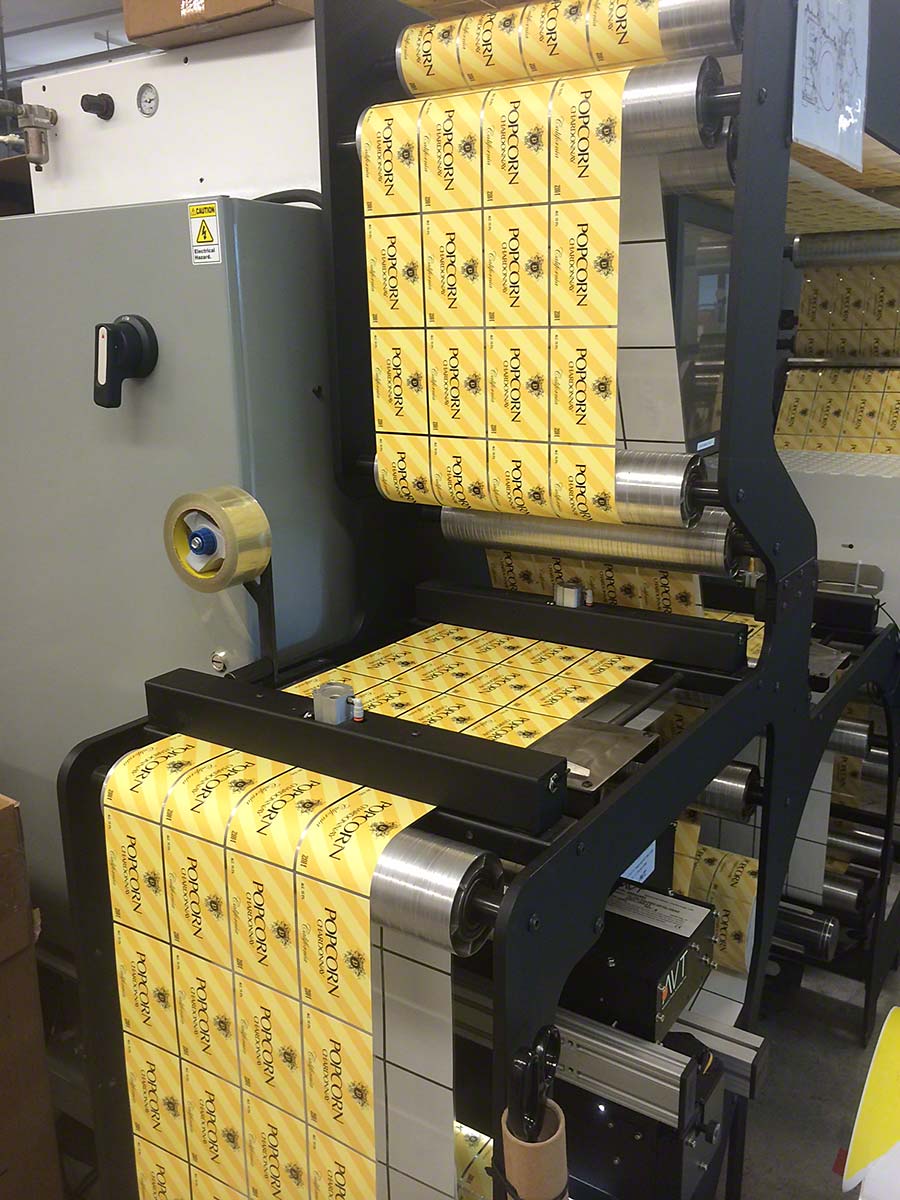
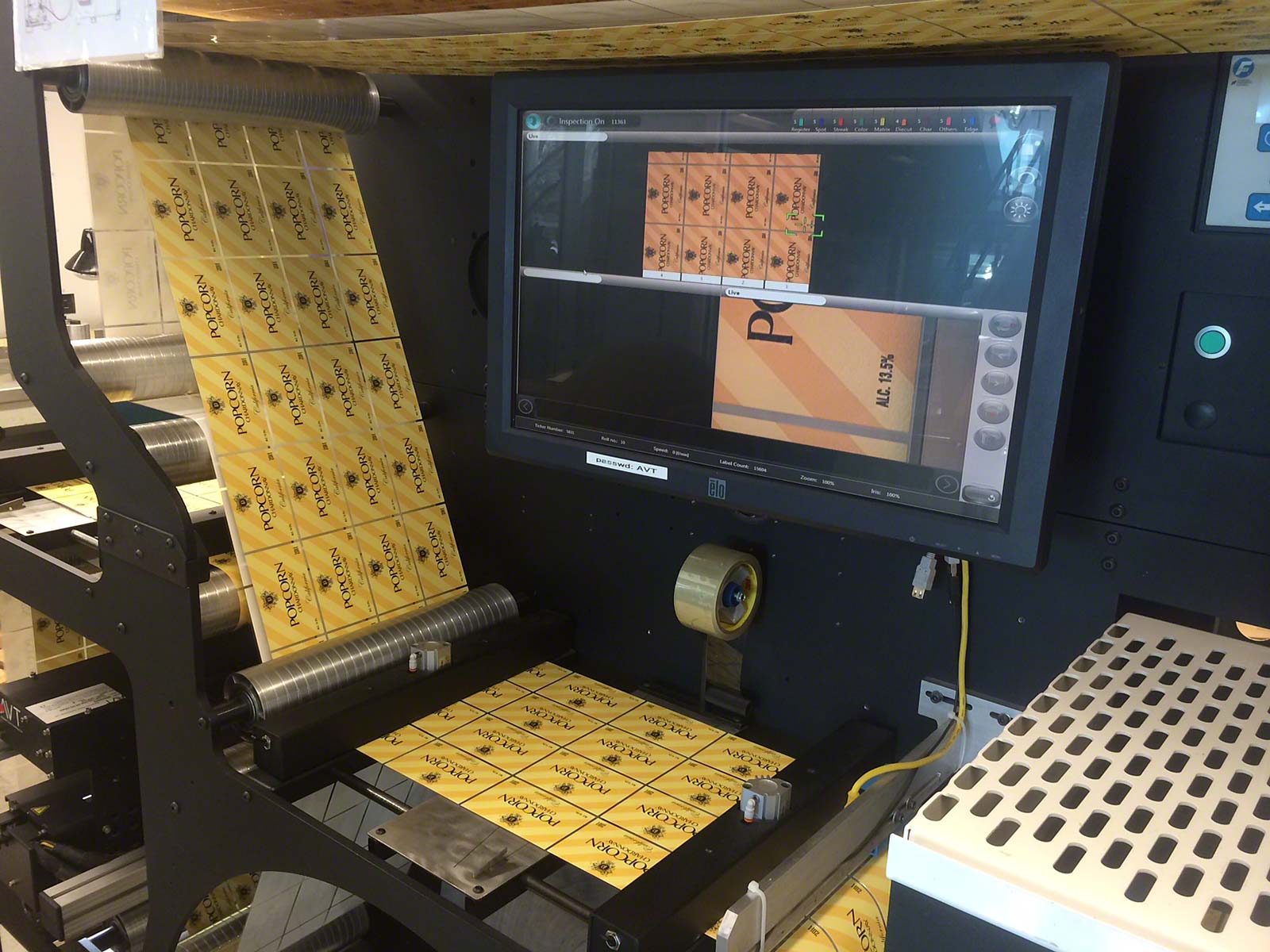
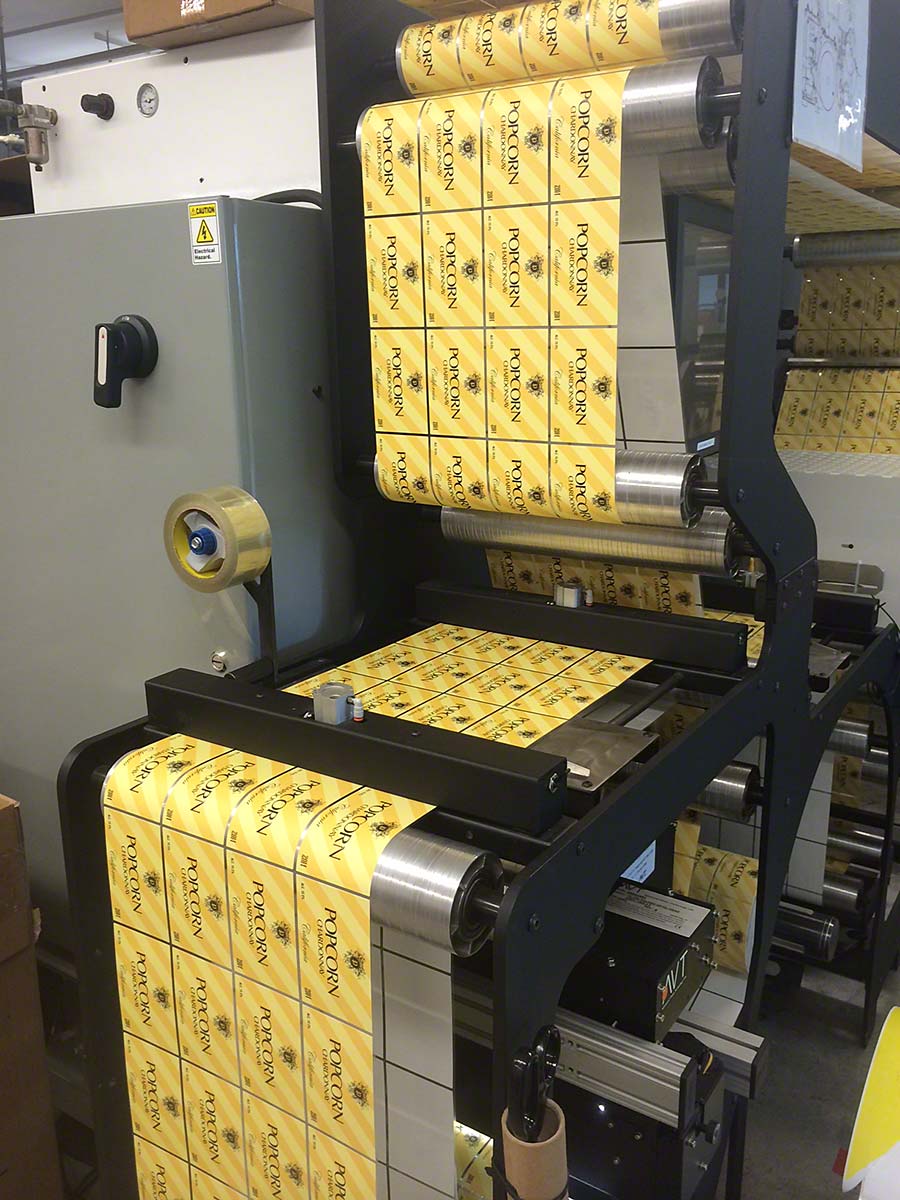
Producers can choose which process they prefer, but it can also depend on a few different things, like quantities and the detail in the pictures. Large volumes can find traditional off-set printing will fit all of their needs. Waterless printing creates a higher resolution: traditional printing prints at 175 dots per inch, where as waterless can print at 300 dots per inch- a much better resolution for the more detail in a label. Laser printing, like Paragon’s Indigo printer can add an extra benefit to producers: it doesn’t have to print a static image on every label. Instead, as it’s digital, the PIP doesn’t have the image carved into it- it has a laser, which can change the image projected to the PIP after each label, so each label can vary from those printed before and after it. The benefit? Every producer wants to sell more wine, so how do you encourage selling cases versus bottles? As some of Paragon’s customers have done, creating a collection of 12 different labels for one vintage of wine, makes a twelve-piece set for the collectors. And digital off-set printing has the technology to print as many different labels without different plates, printing in one run.
EMBOSSING
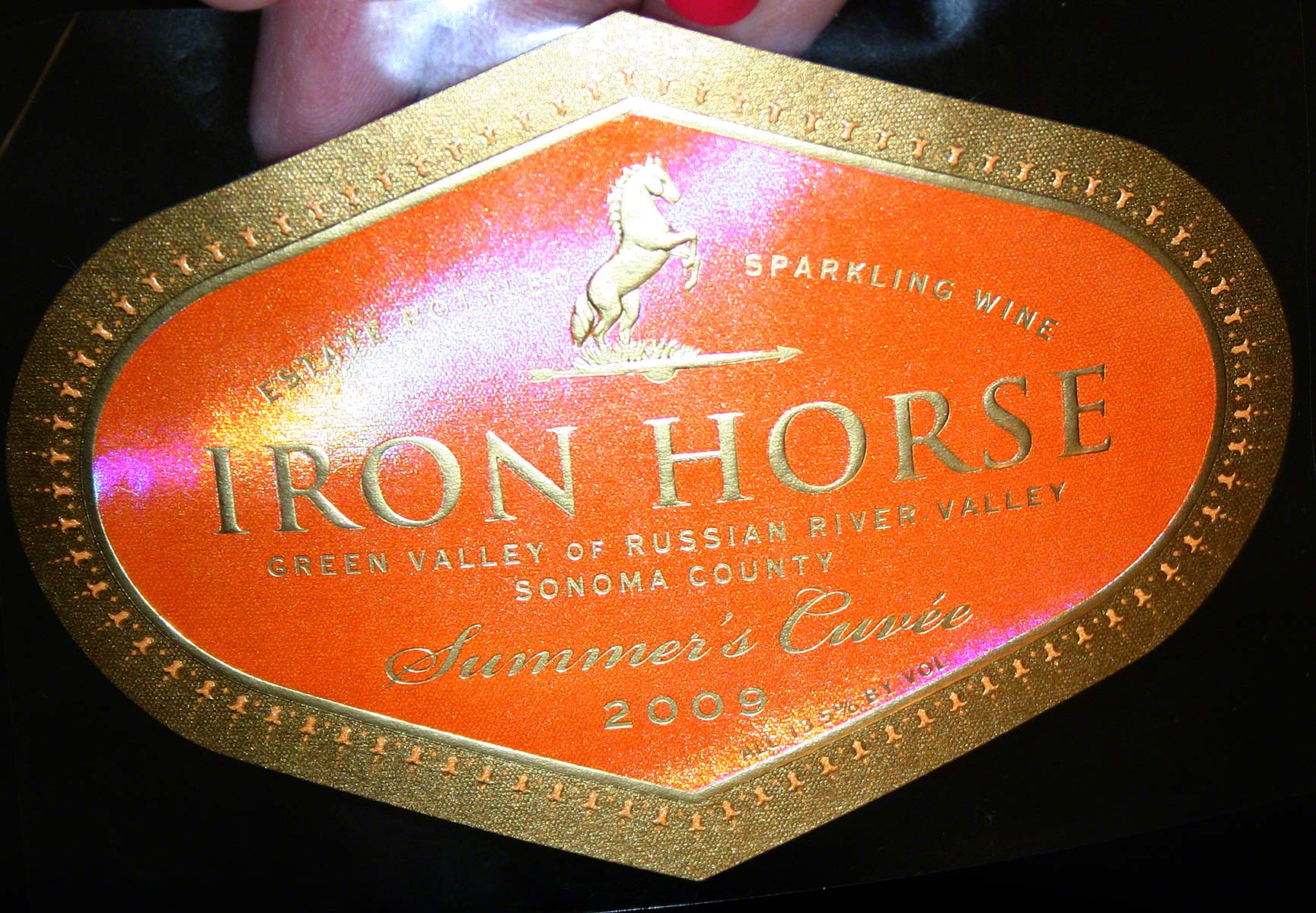
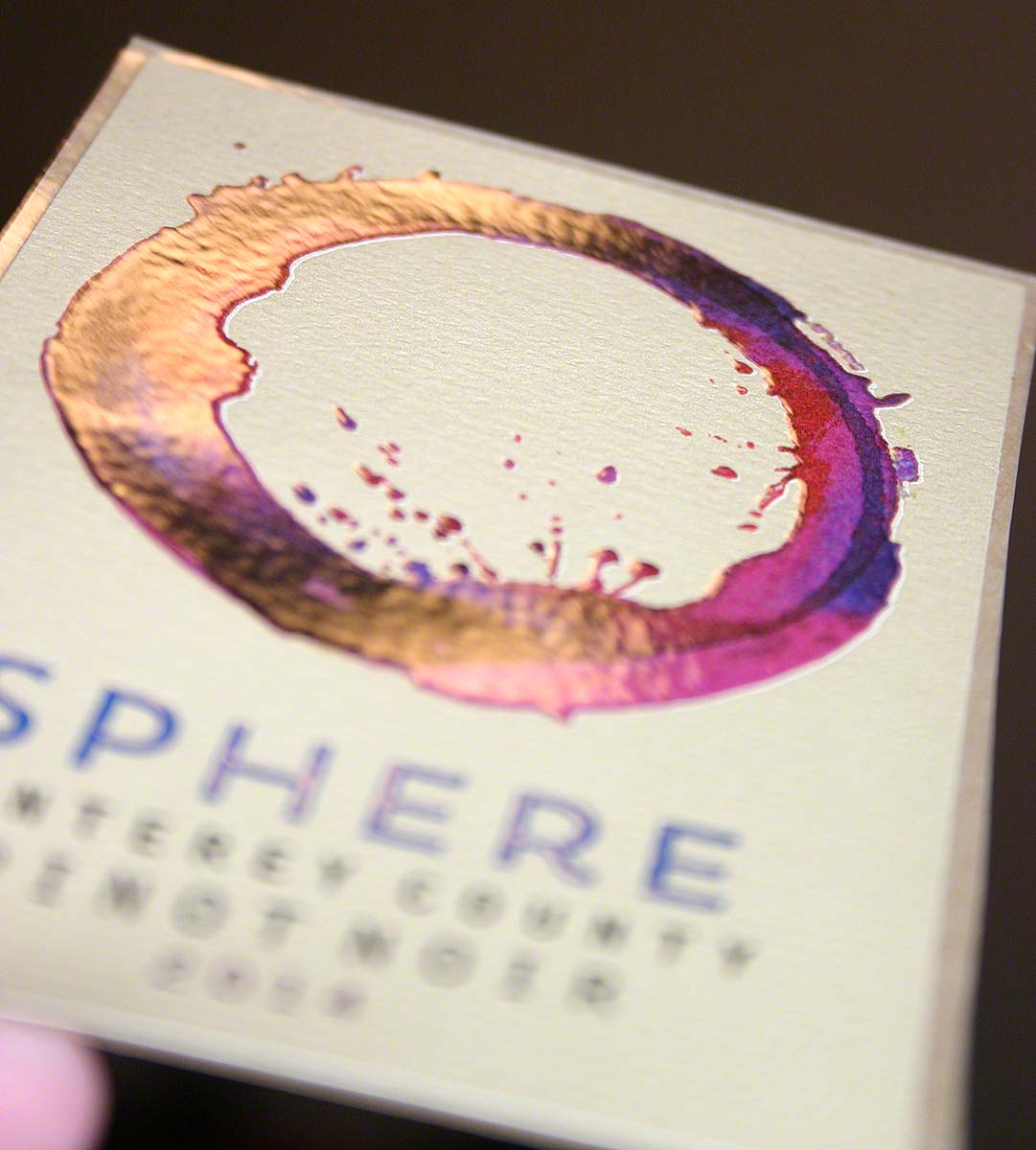
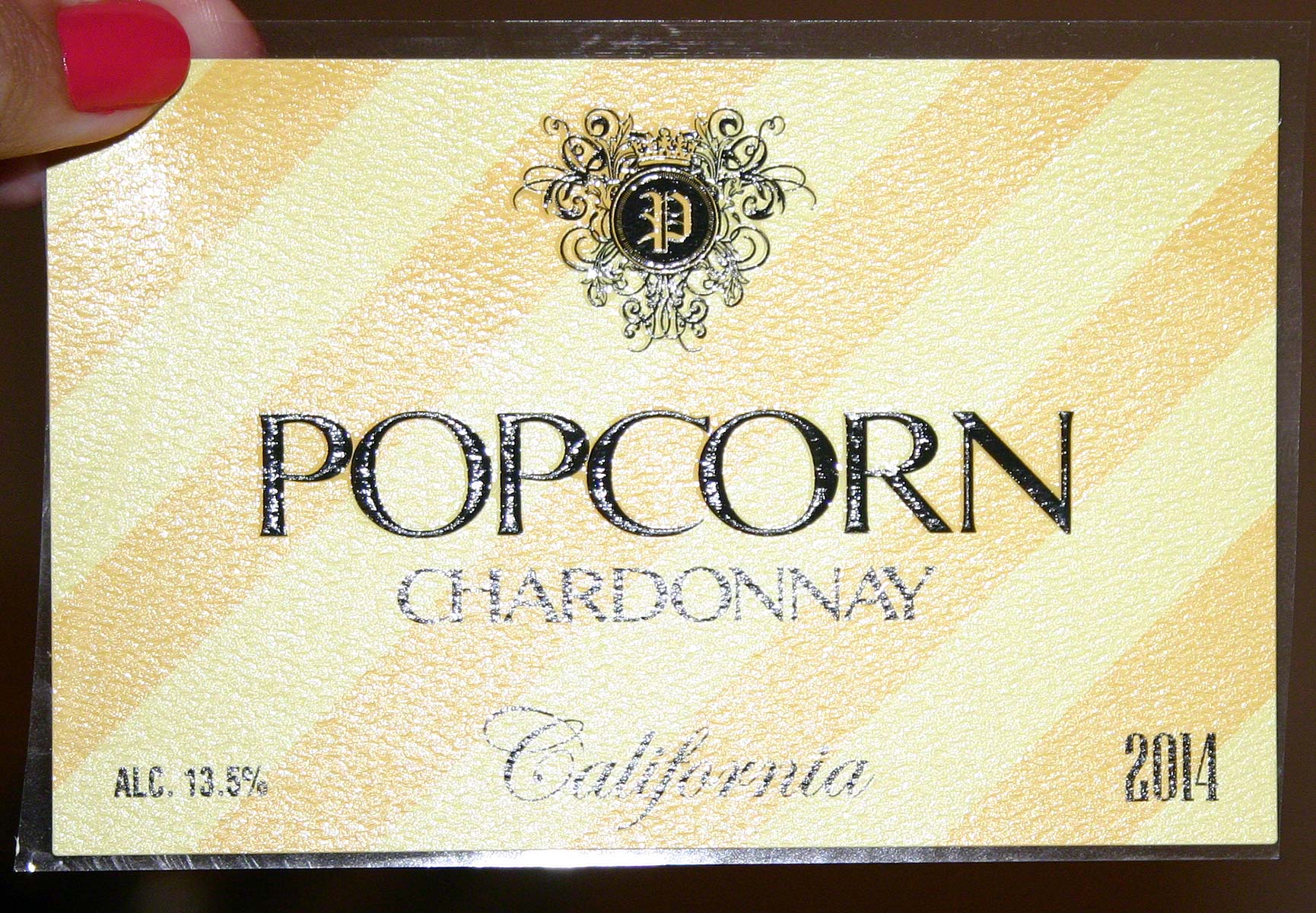
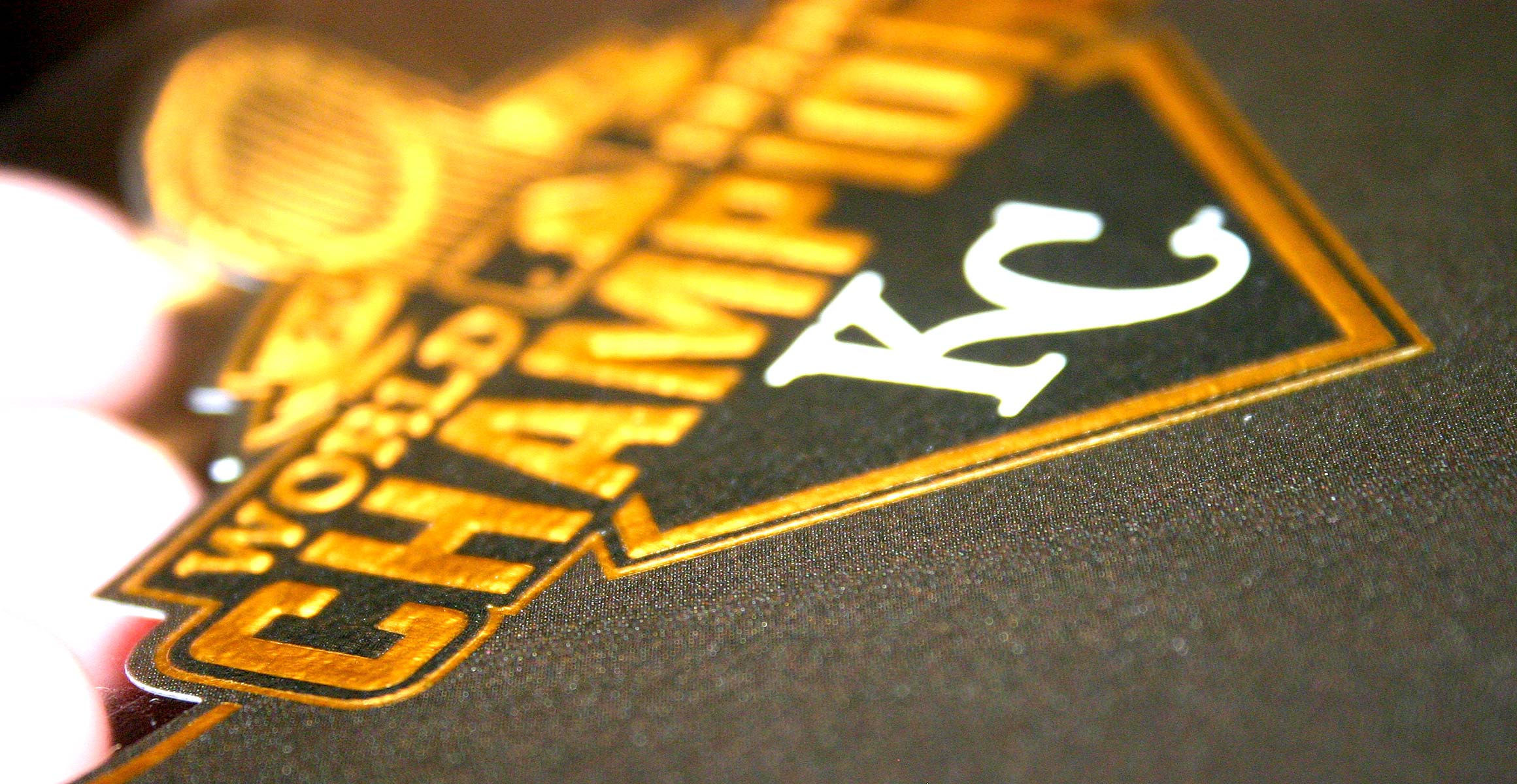
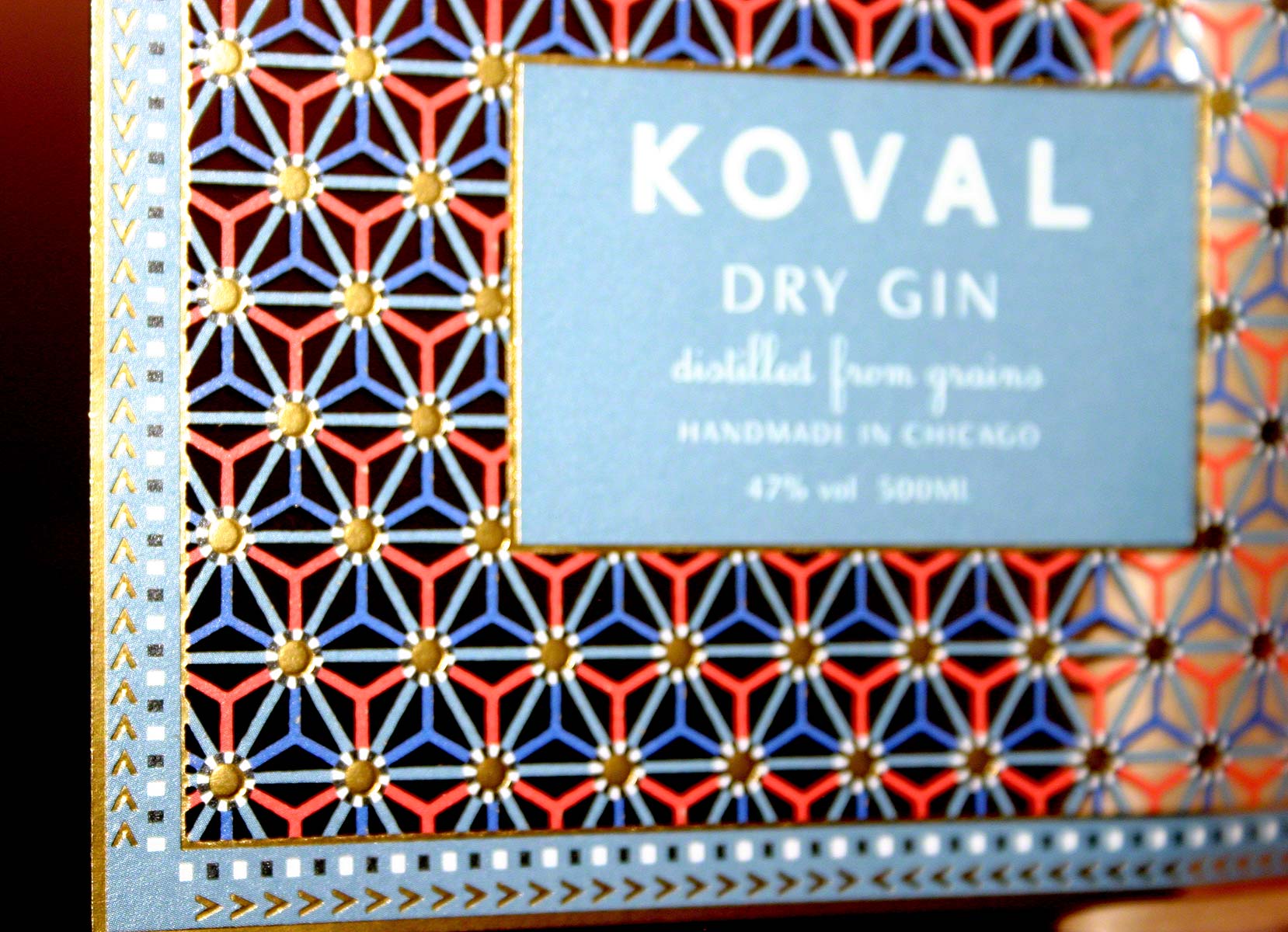
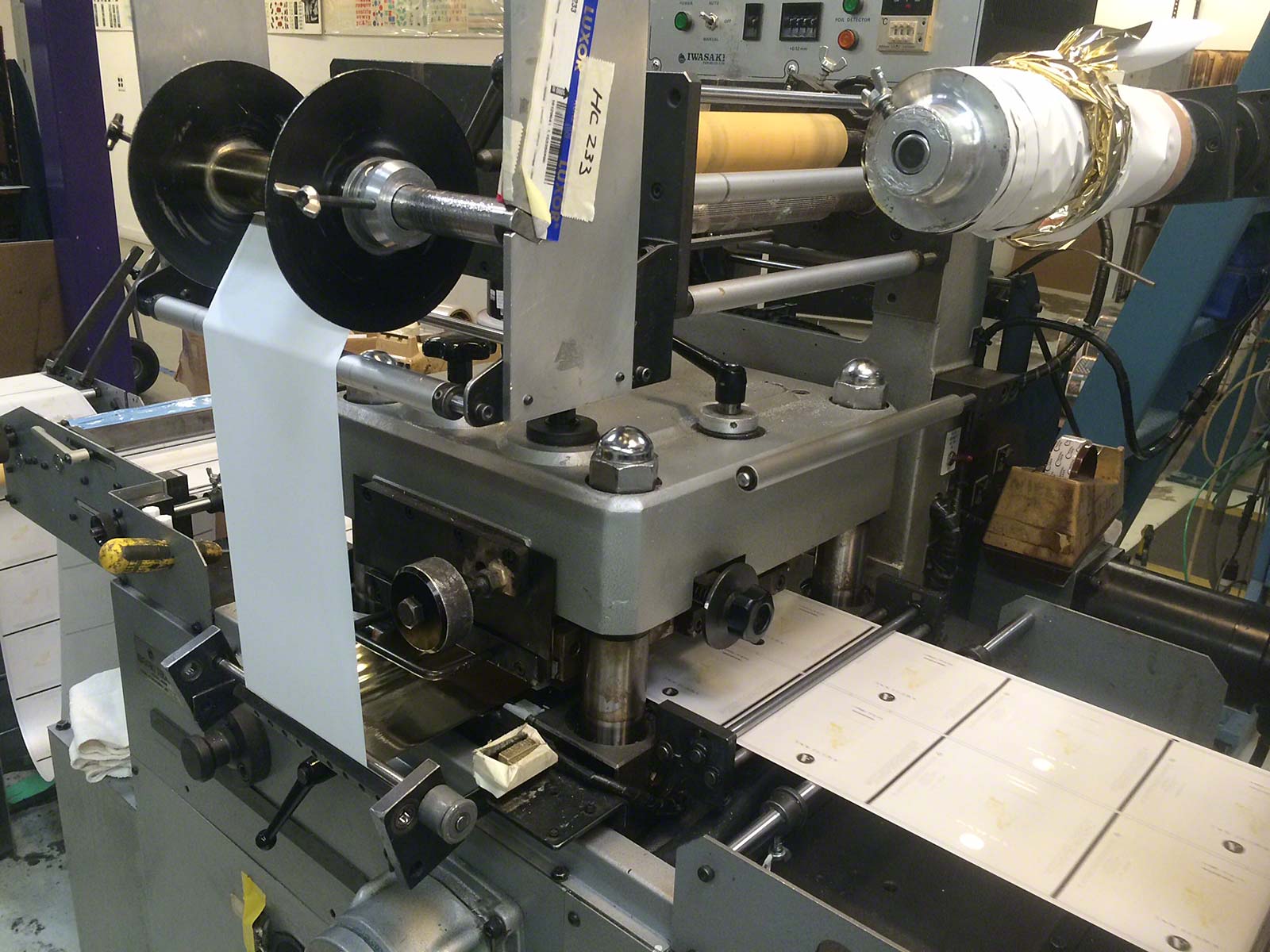
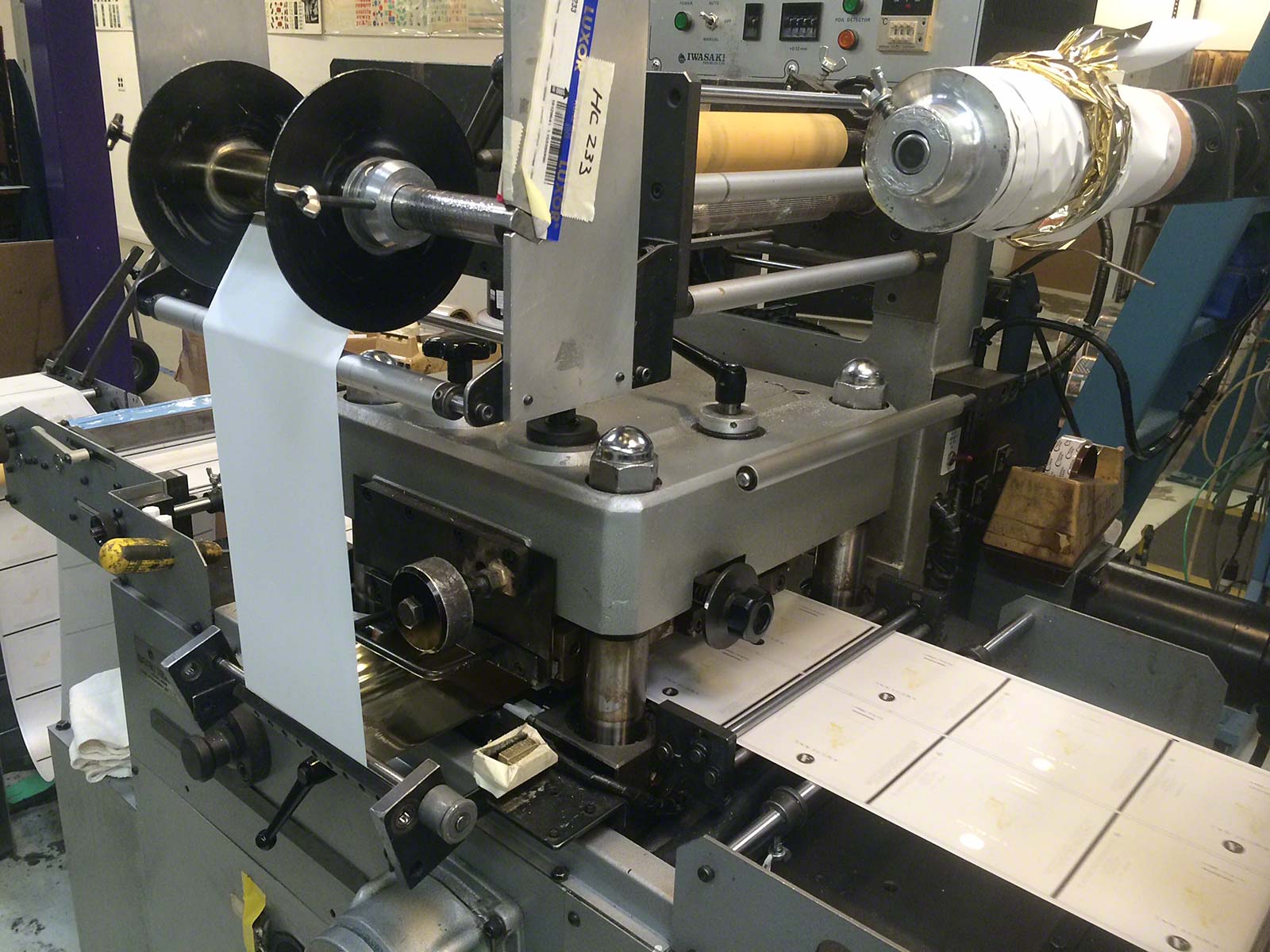
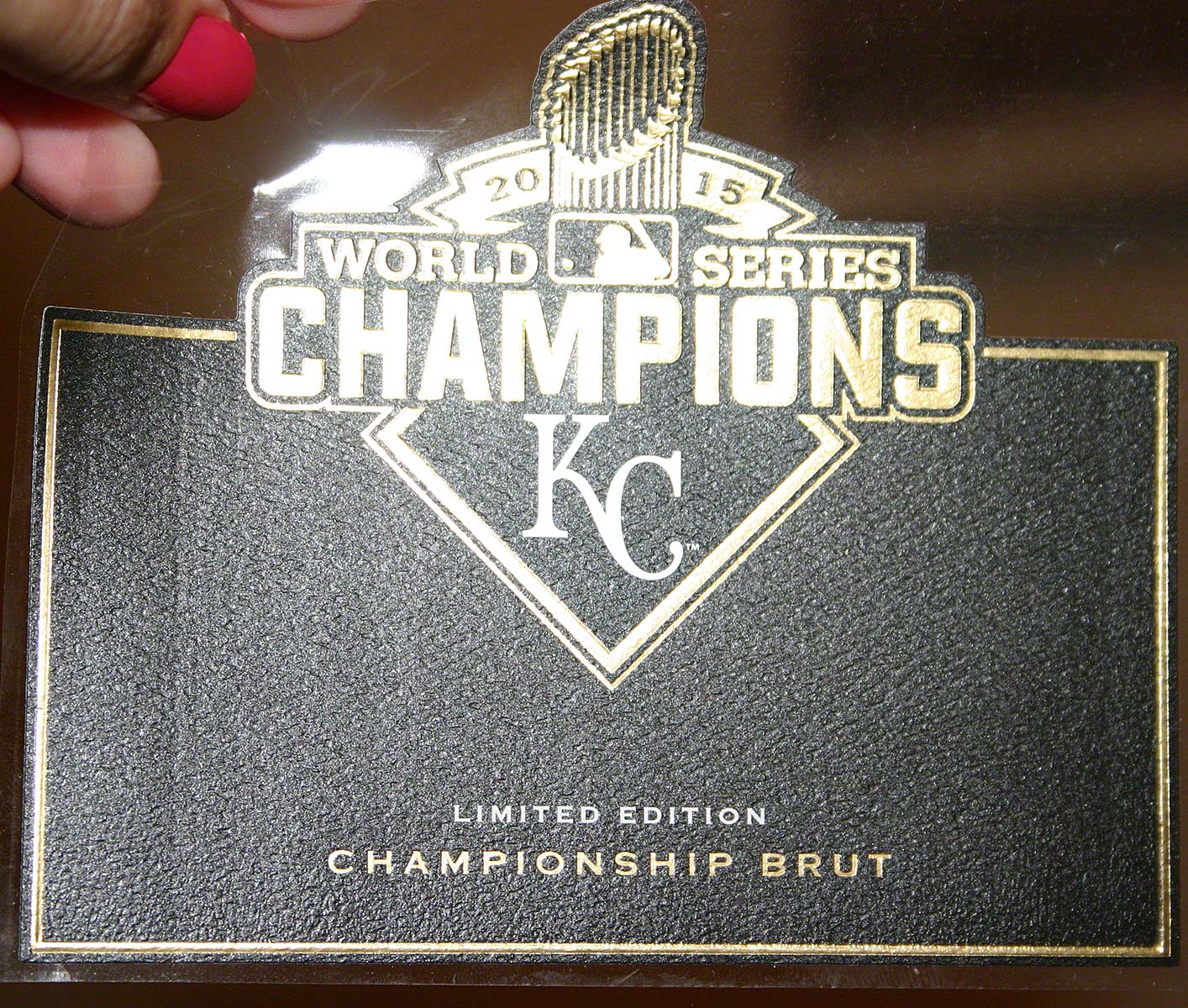
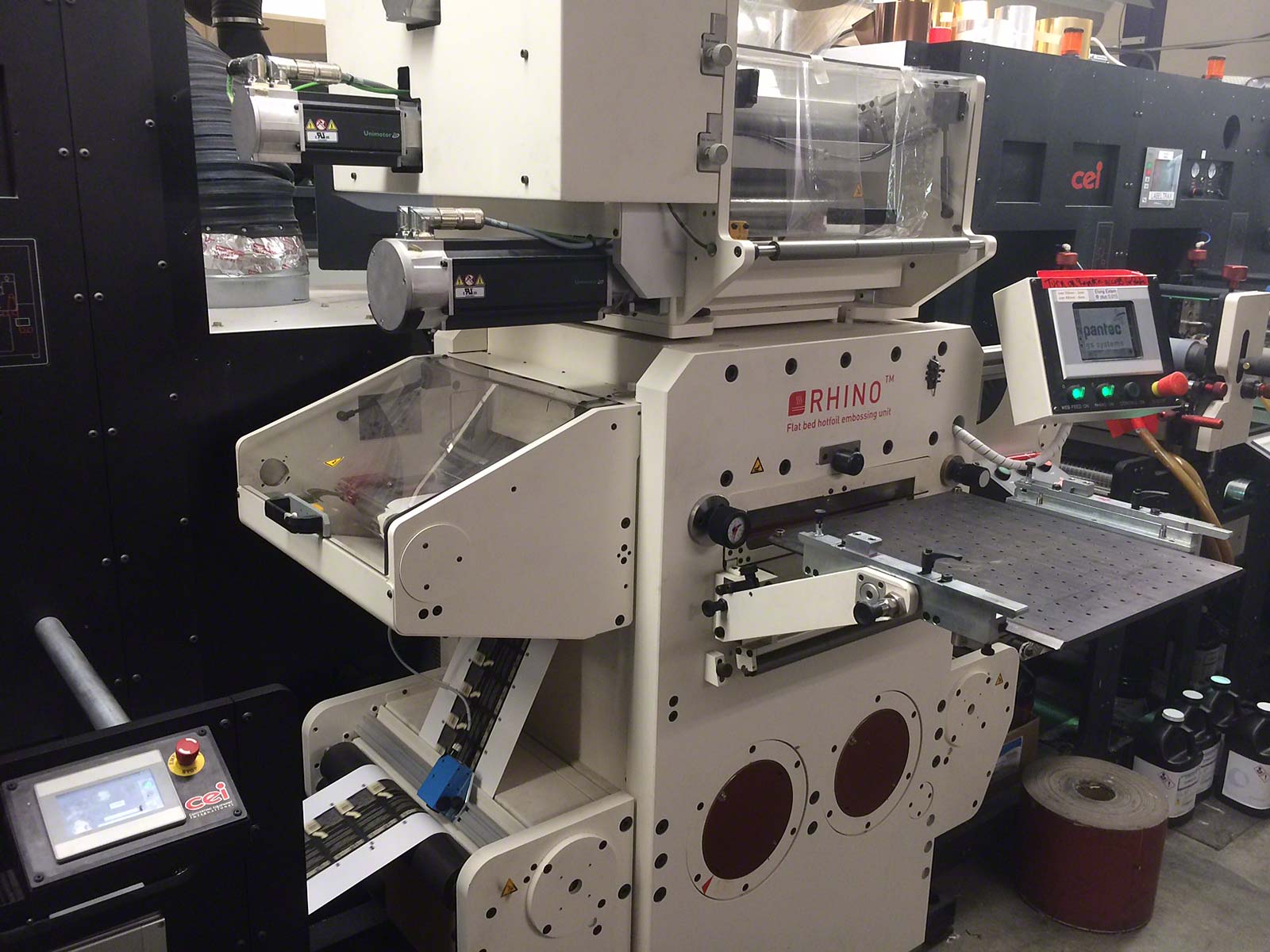
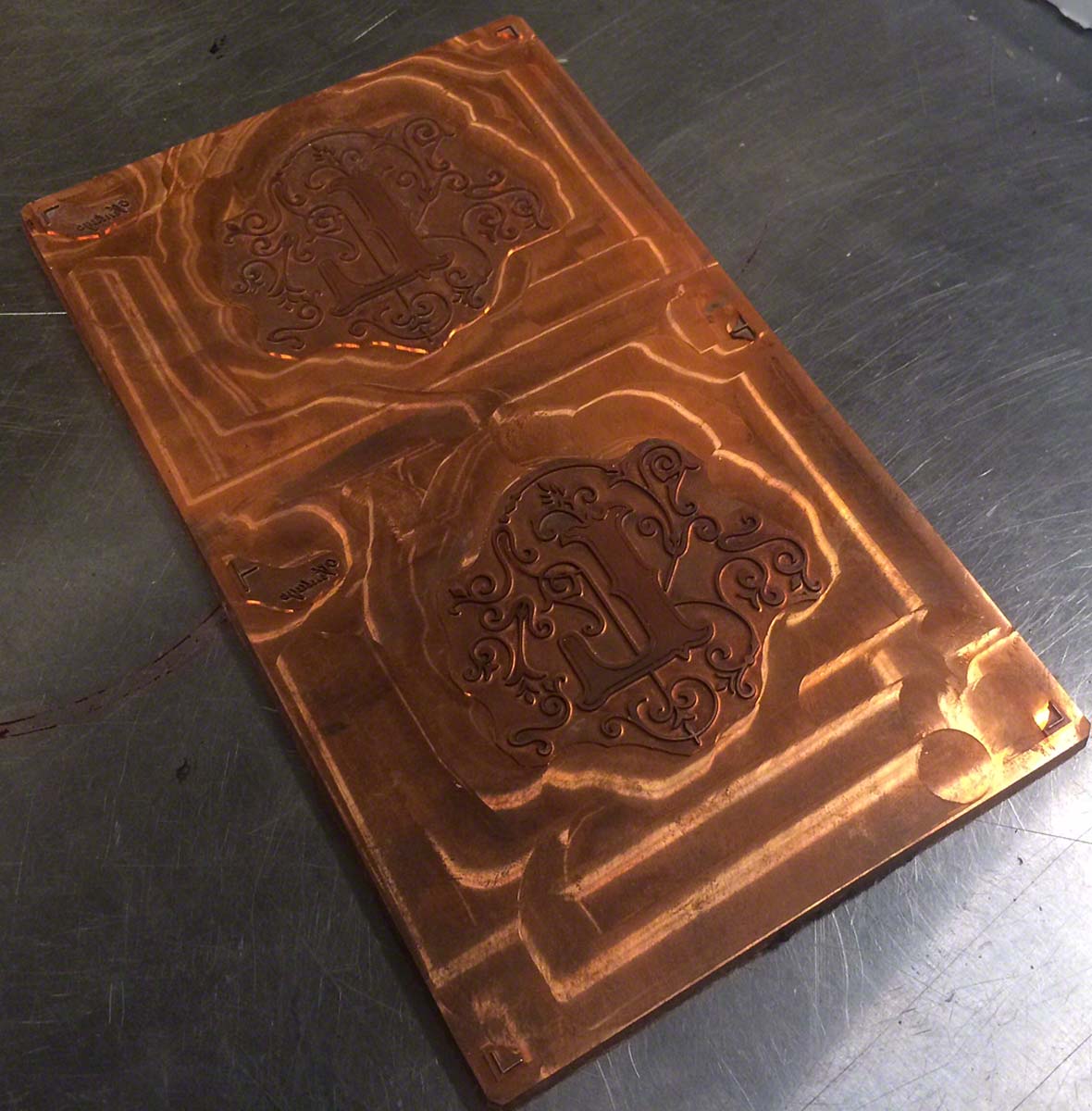
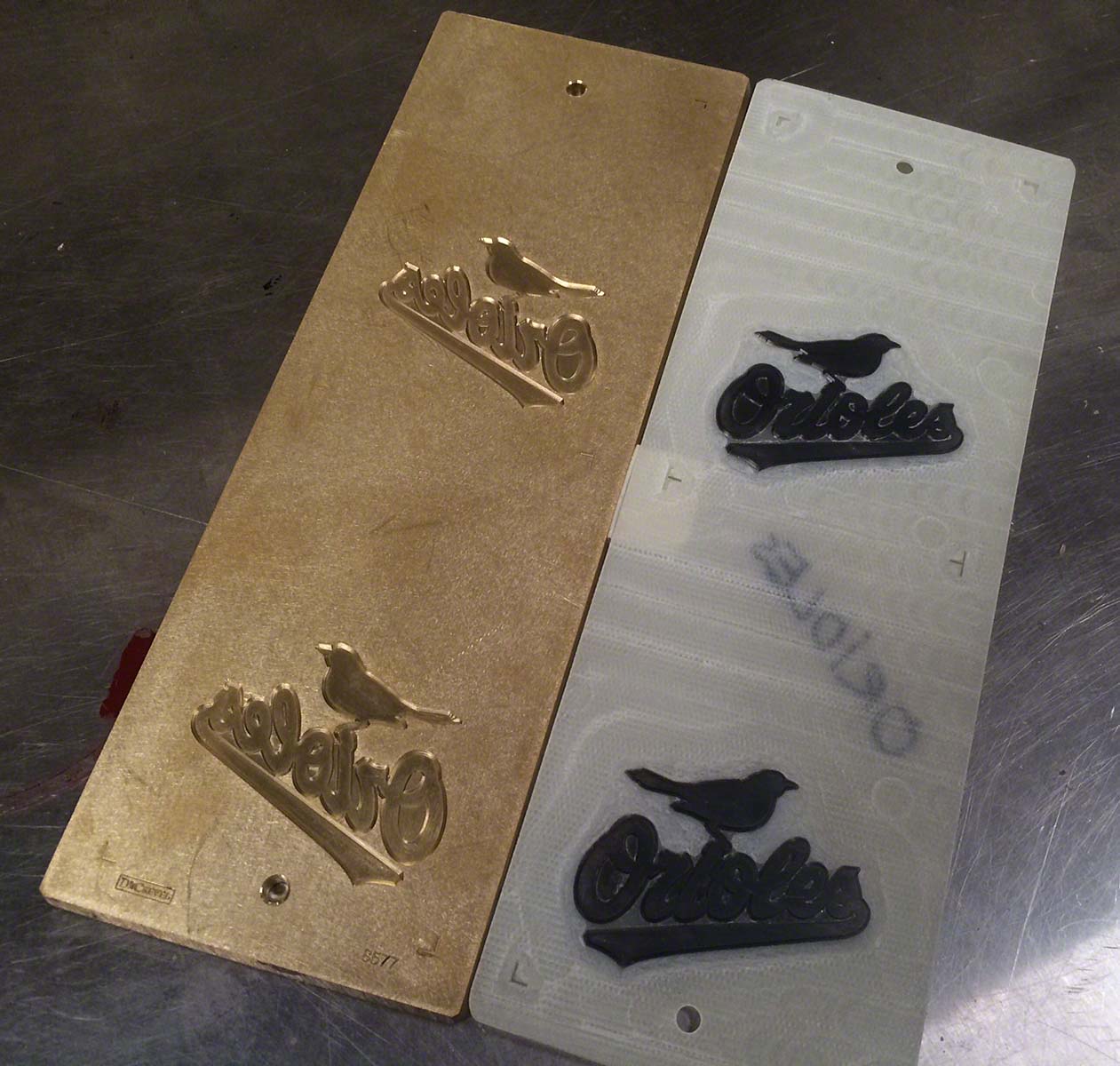
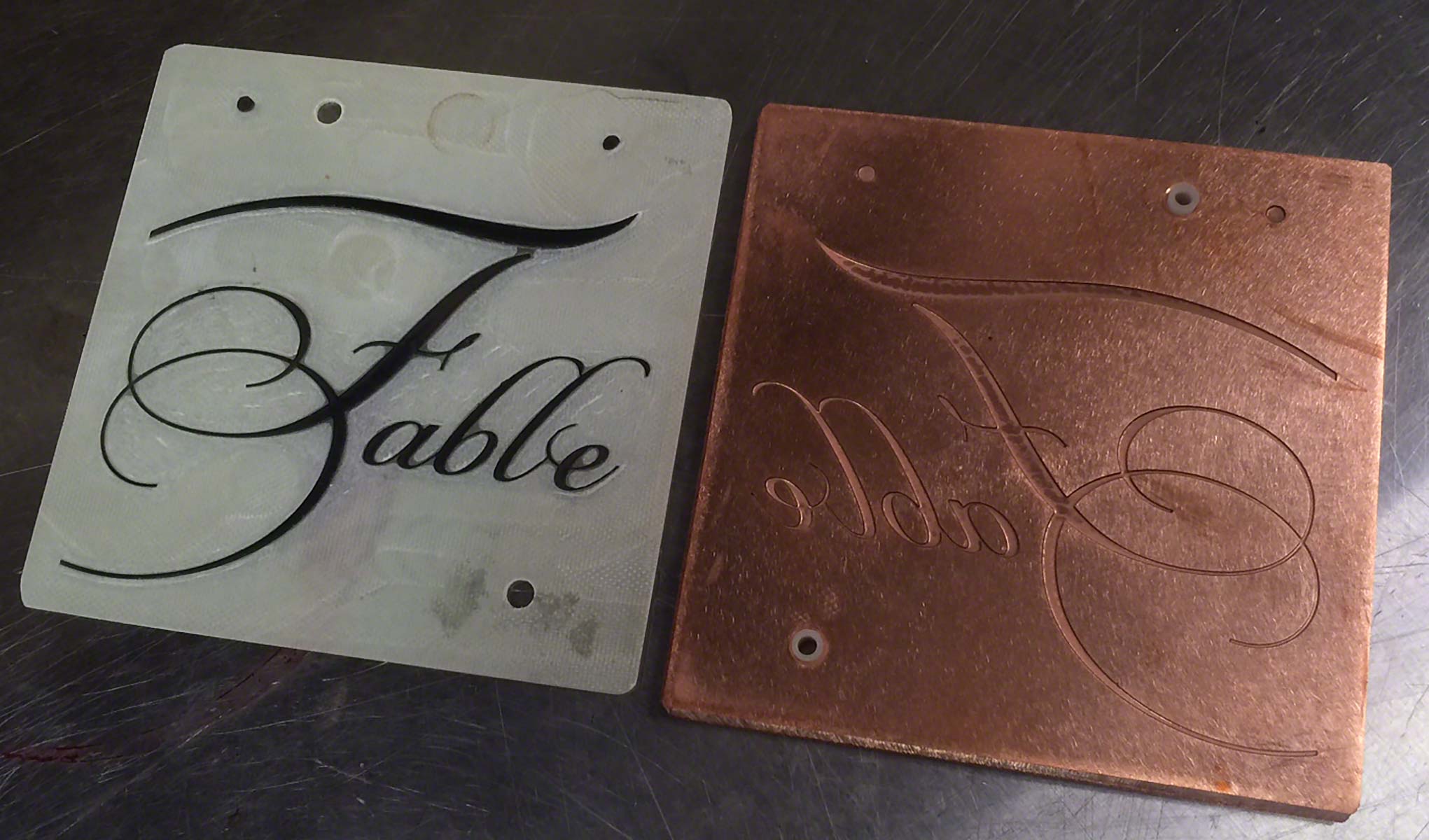
Also know as Platen Press, this is the updated version of the letter press. Using the same type of relief printing with a copper plate carved into the design desired and a sheet of foil, the foil is heated allowing resins to extract, then the plate presses the foil to the label, creating the pattern, and the resins cool, sticking the foil to the label.
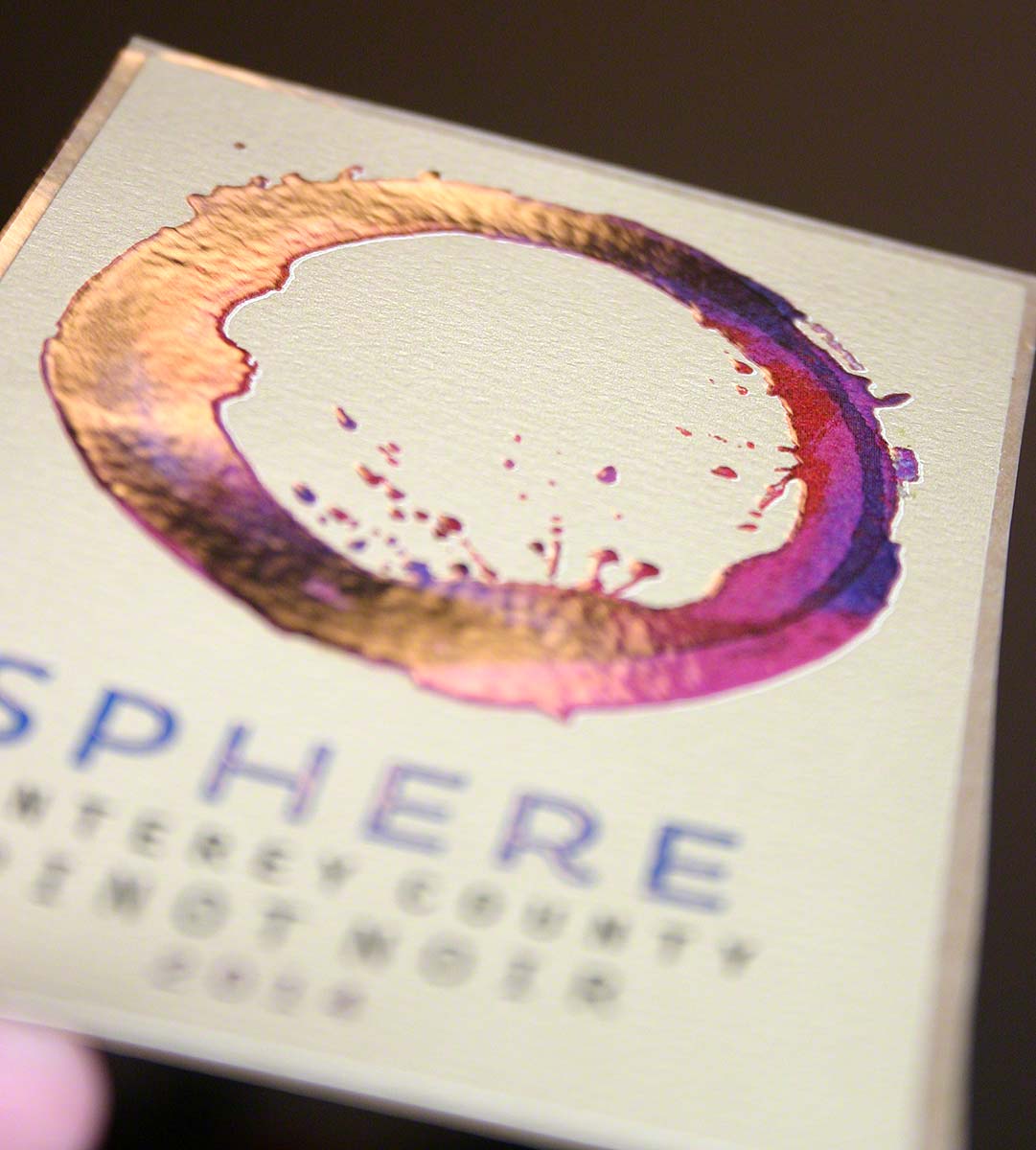
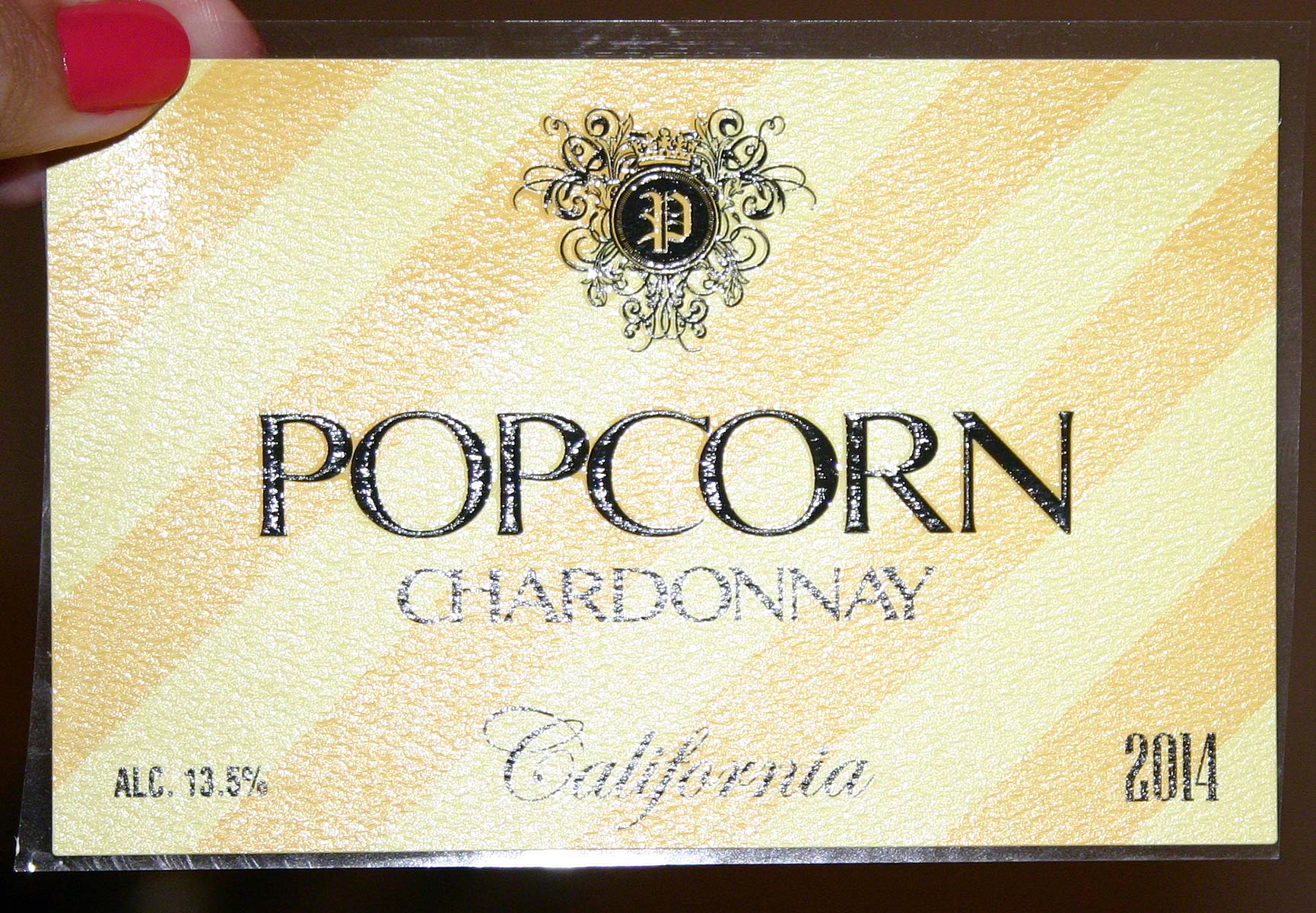
More than half of the wines you will find will have some assortment of foil and they can come in metallic and a variety of colors including matte finishes, and serve as a decorative element. In the past, some producers even used holographic foils on their labels to help thwart counterfeiters.

SILK SCREEN PRINTING
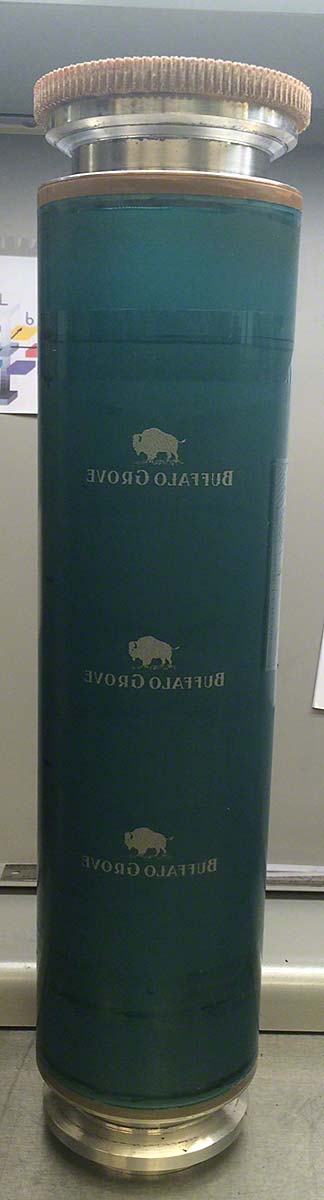
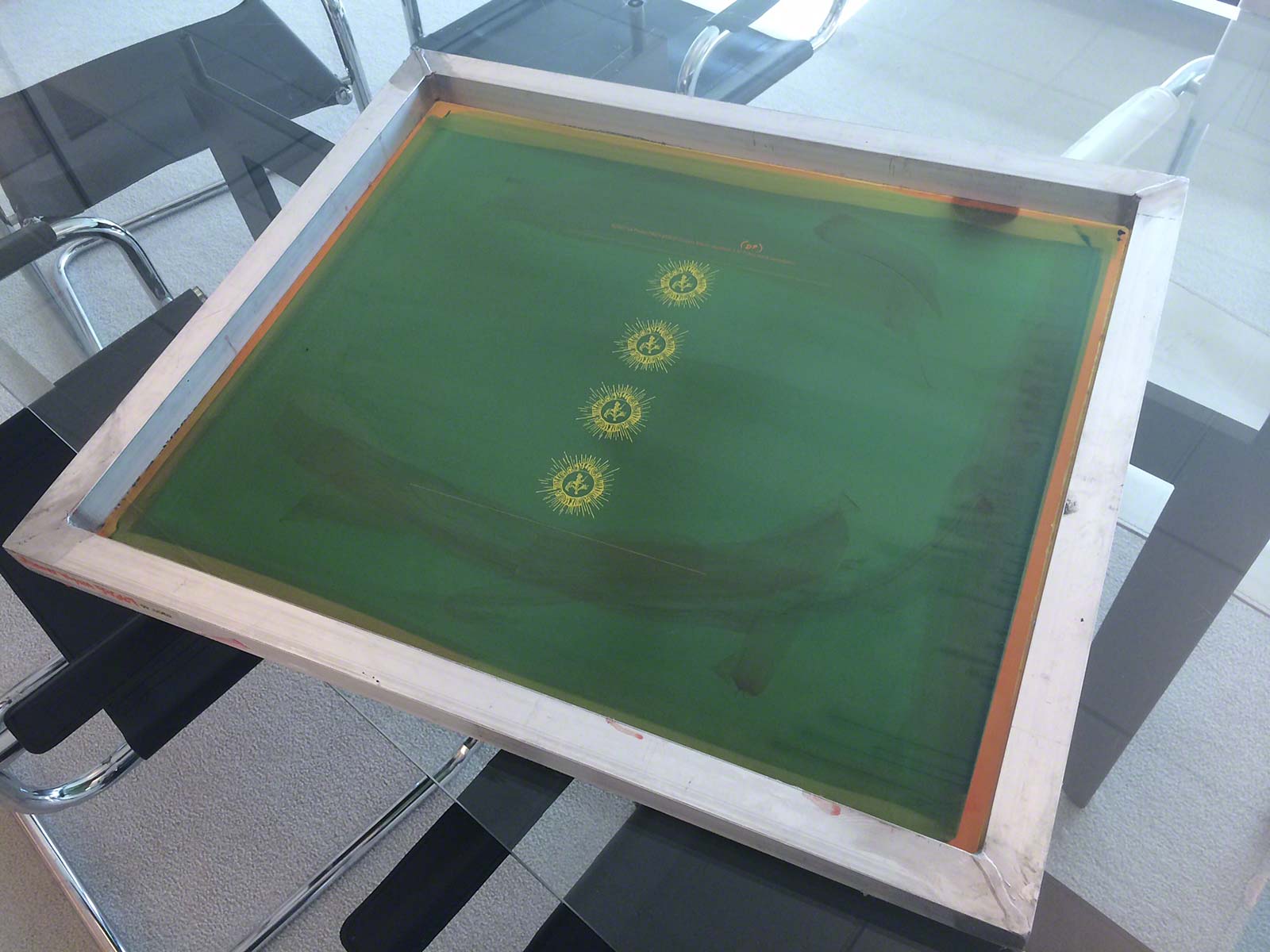
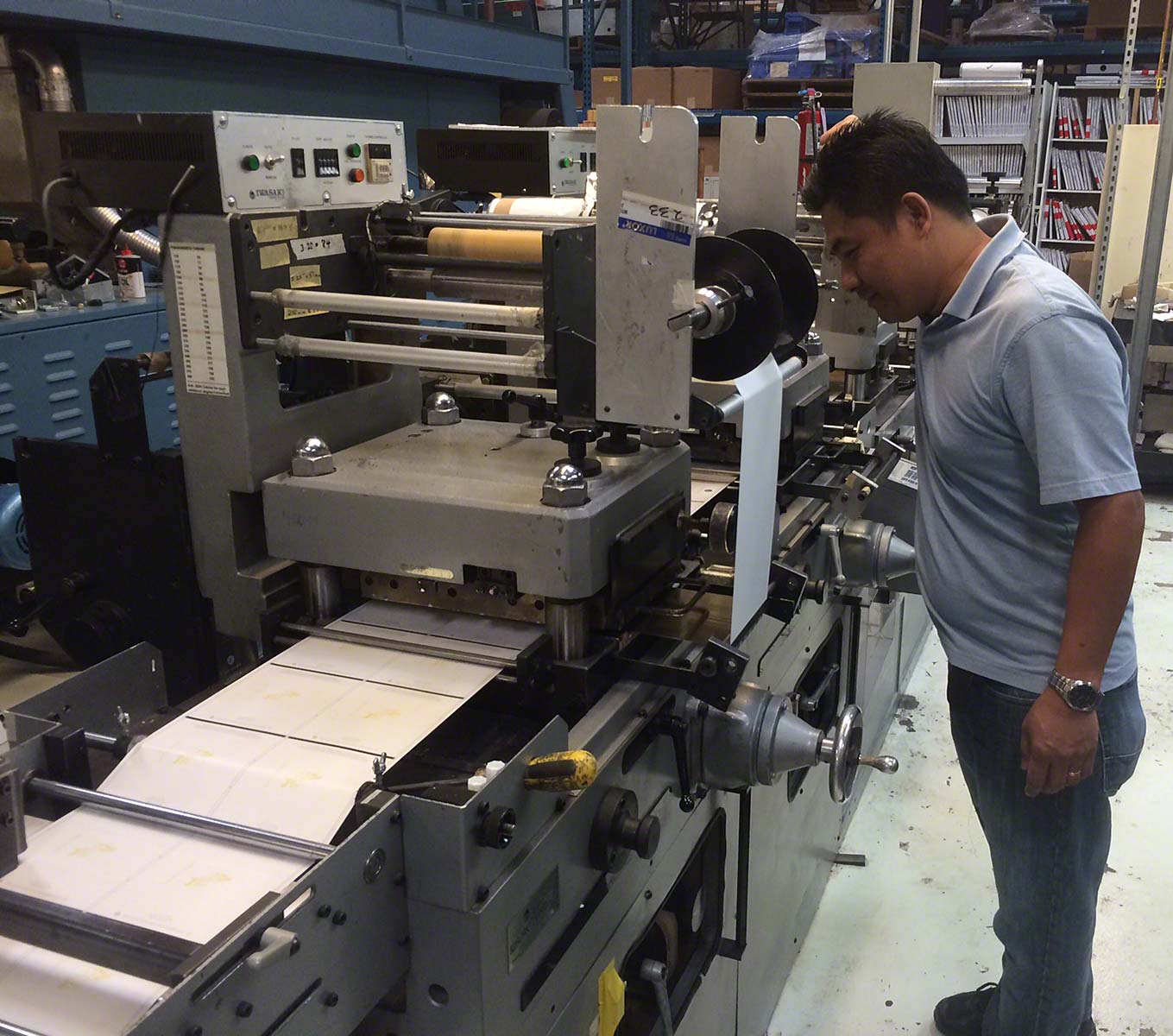
Silk Screen printing is used in addition to one of the above printing options as an embellishment. This process includes pushing ink through a silk screen to create the image. In this process however, they differ from off-set printing by using a negative image. The silk screen is coated with a light sensitive emulsion, which when the image is placed on it, and the surface hits the light, the image hardens, and the rest of the emulsion outside of the image will be washed away. This is then used as the template for printing. The template screen is then wiped with ink over the label transferring the image to the label. This creates a domed glossy finish. These can be put on in two methods: rotary or flat bed. Rotary needs a very slow speed to create (less than 100 feet per minute of labels) so it can be time-consuming. Producers that typically use this method are in the price ranges that would need to share shelf space. They want to sparkle and shine, and catch the consumers eye over the other bottles on the shelf. High-end wines do not need to stand out on a shelf, and are not often the demographics for this embellishment.
TACTILE VARNISH
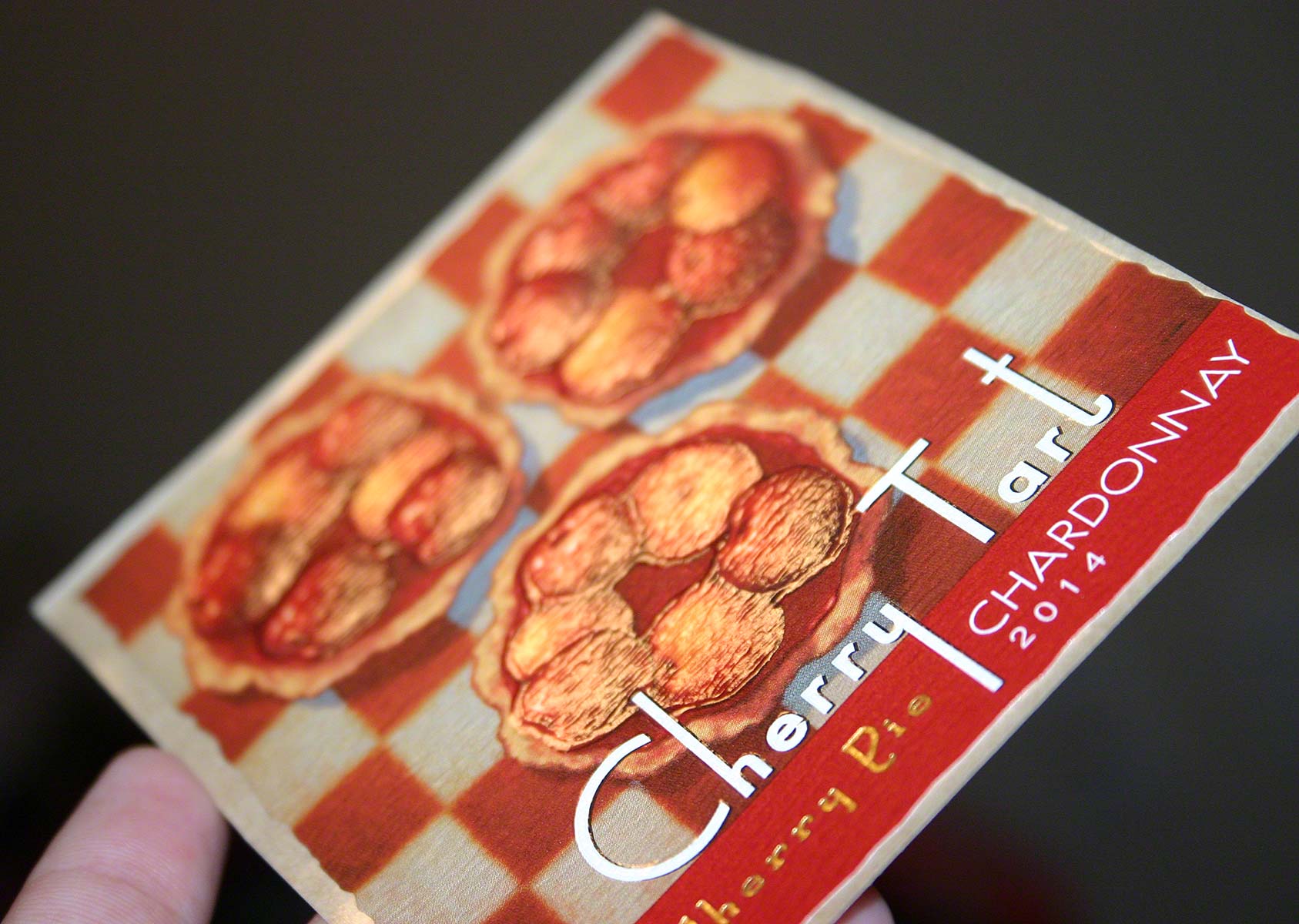
As the name implies, this print method gives an embellishment that you can see and feel. In this method, a roller will press onto the labels a shiny varnish. This produces a similar result as silk screen printing, but at a much higher rate. By using this technology, the printers can print twice as many labels in the same time period as silk screen printing, resulting in less costs to the producer.
INKJET
Rarely used by professional wine label producers, inkjet printing is most commonly used by counterfeiters printing labels at home. The most common process in inkjet printing is drop on demand, where the ink is heated, forcing ink to drop through a microscopic nozzle to their place on the paper. Inkjet printing requires specific papers, and is rarely used with course or uncoated papers because the ink does not stick. Also, depending on the ink chosen, smears can happen if it hasn’t dried completely when removed from the printer.
LASER PRINTING
In laser printing, a drum and negative charges create the image. A laser beam will hit the drum where the image will be, changing the charge to negative in those spaces, then positively charged toner (powdered ink) is applied to these lower charged areas. The printer transfers the toner to the paper, leaving toner only where the image is to be, and finally the printer heats the paper to seal the image. In many cases, laser printing provides more crisp edges than ink jet as it is not based on a droplet’s shape, just charged spaces. For color laser printing, each color will have its own drum.
LASER CUTTING
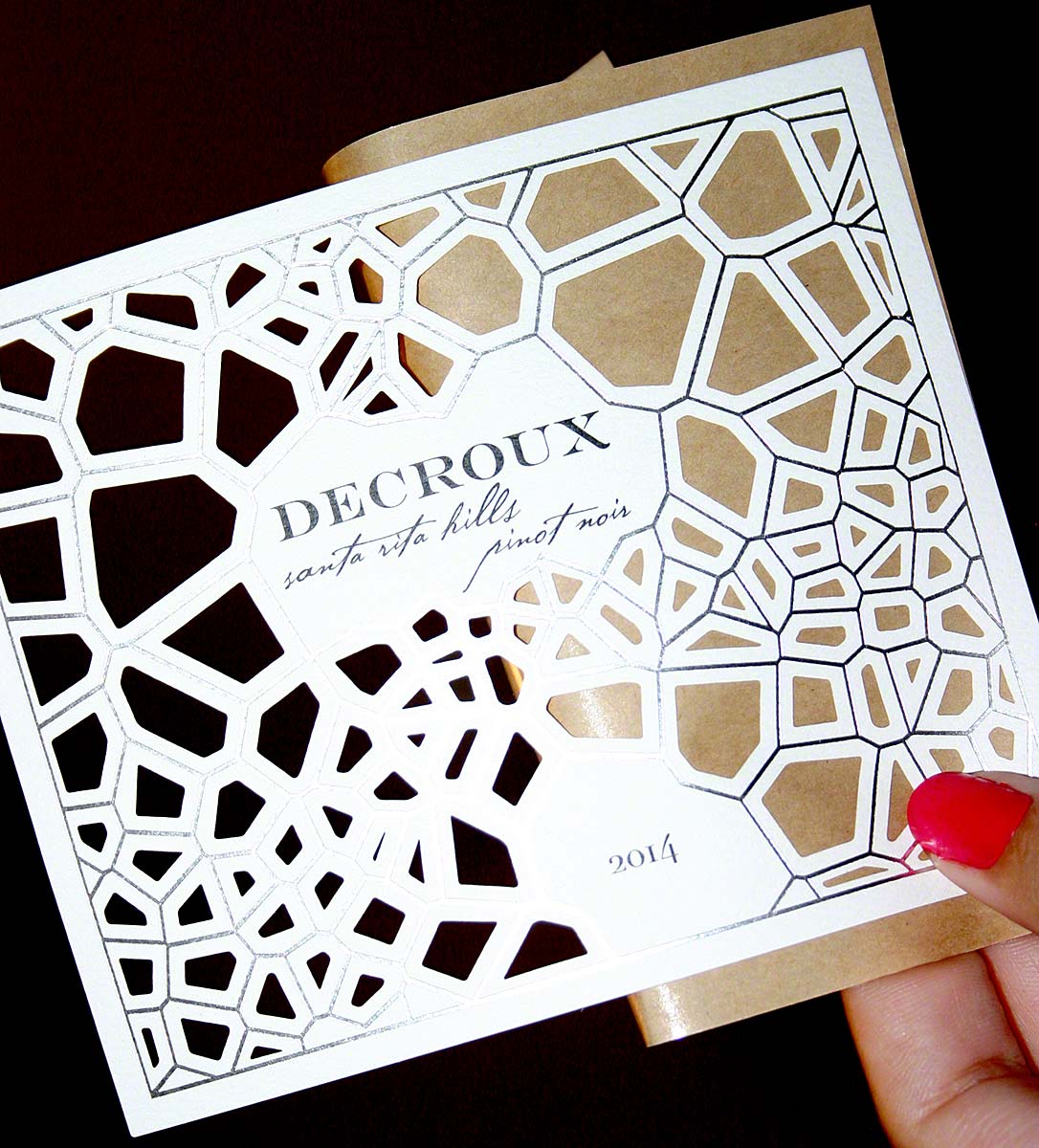
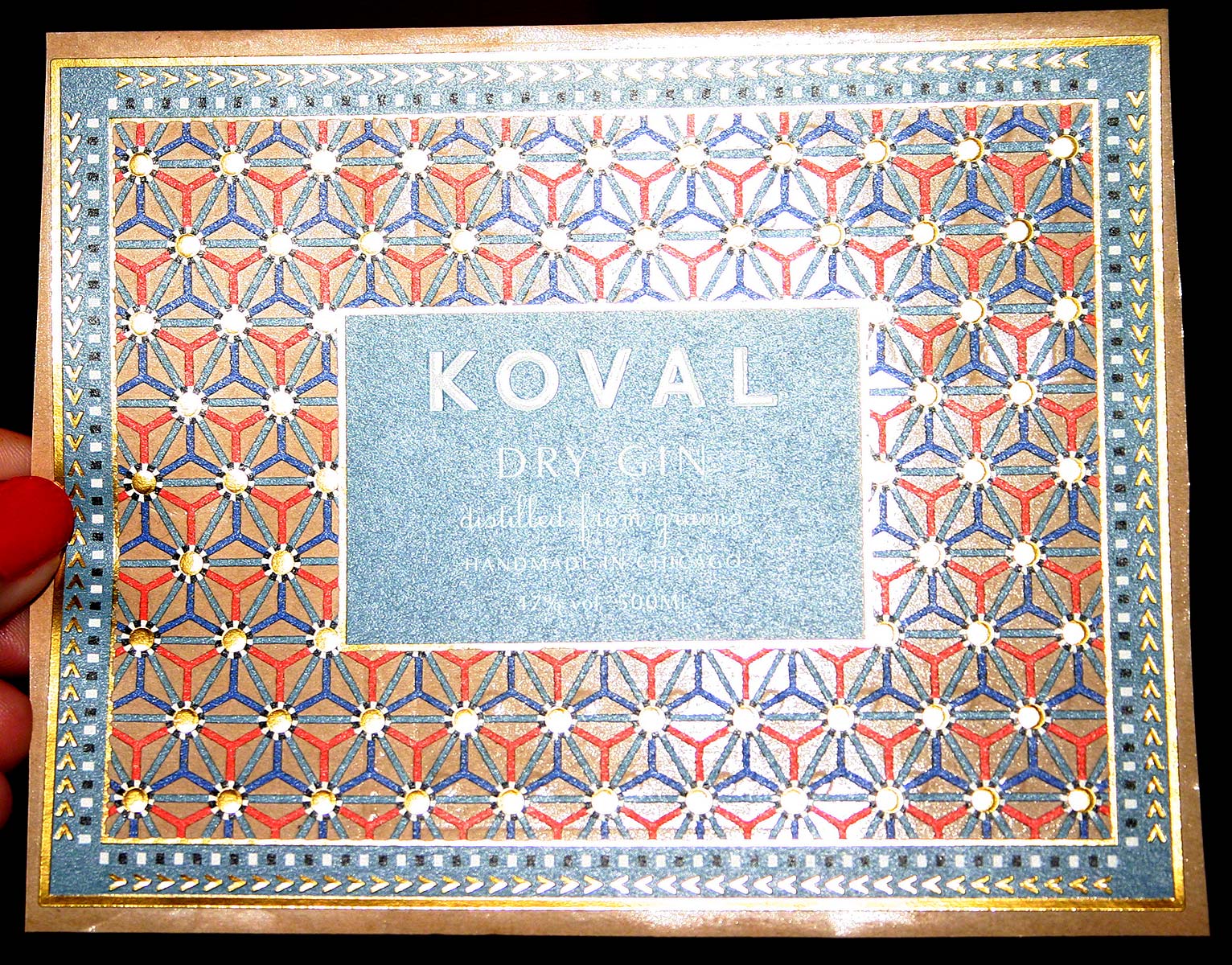
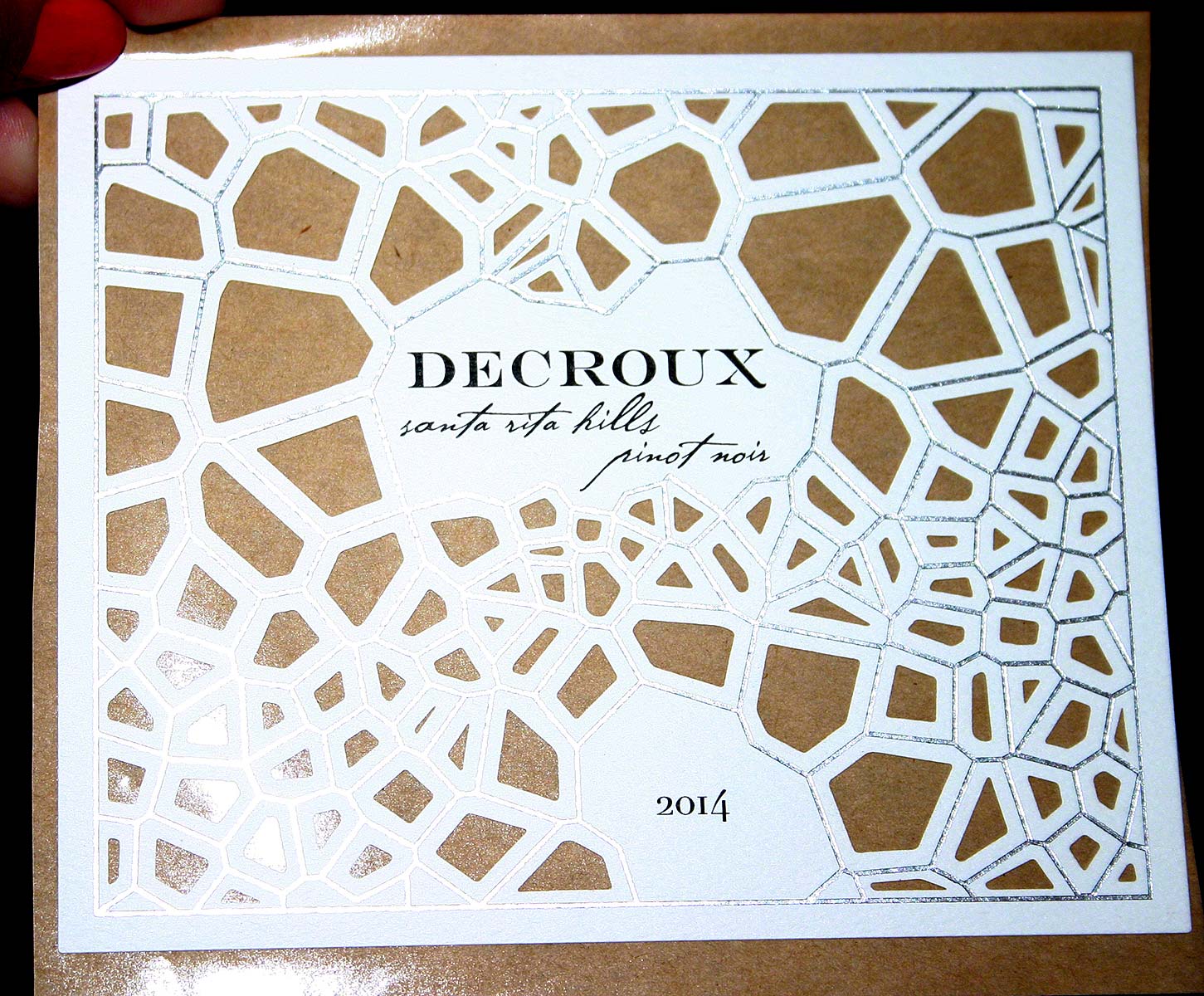
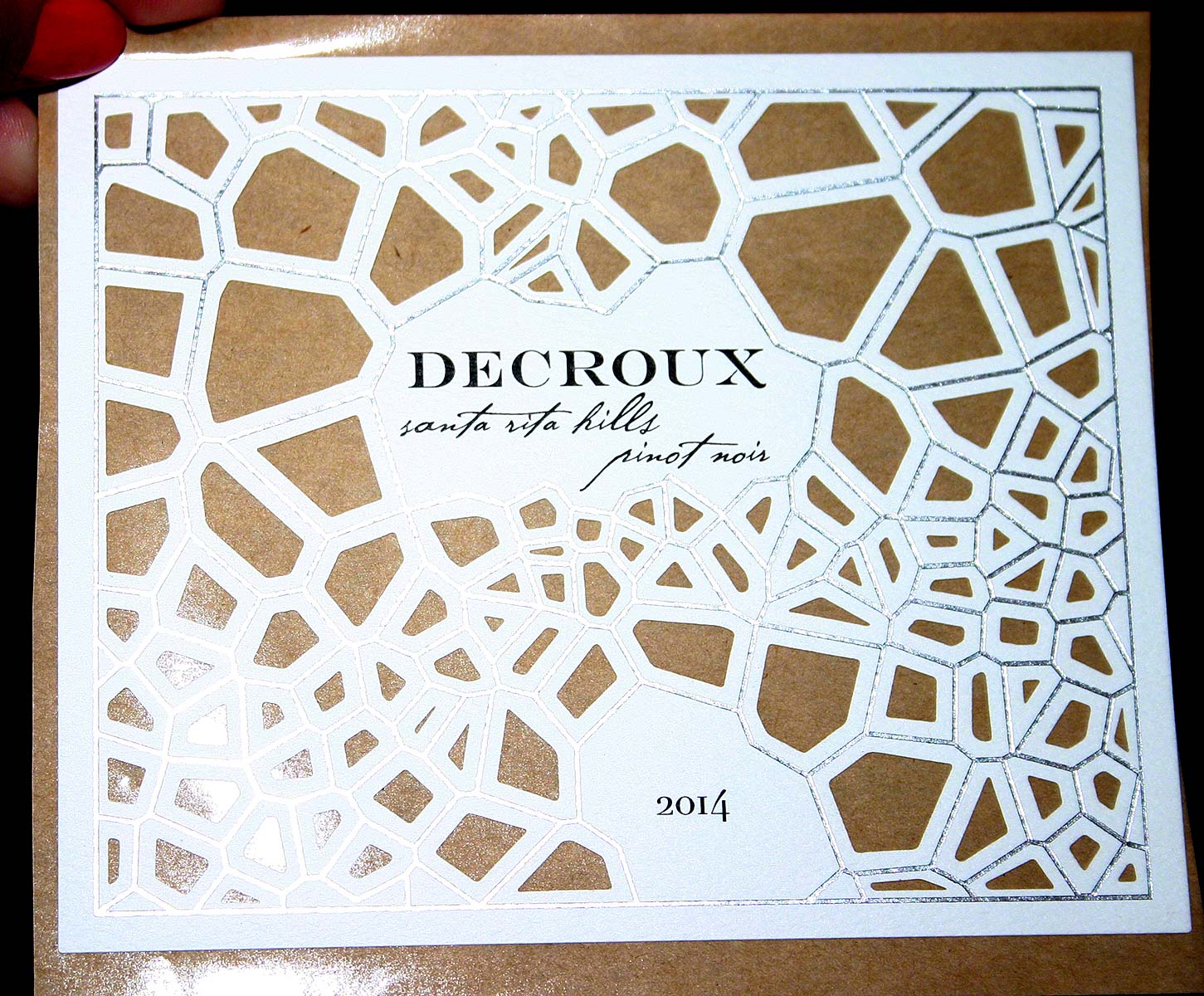
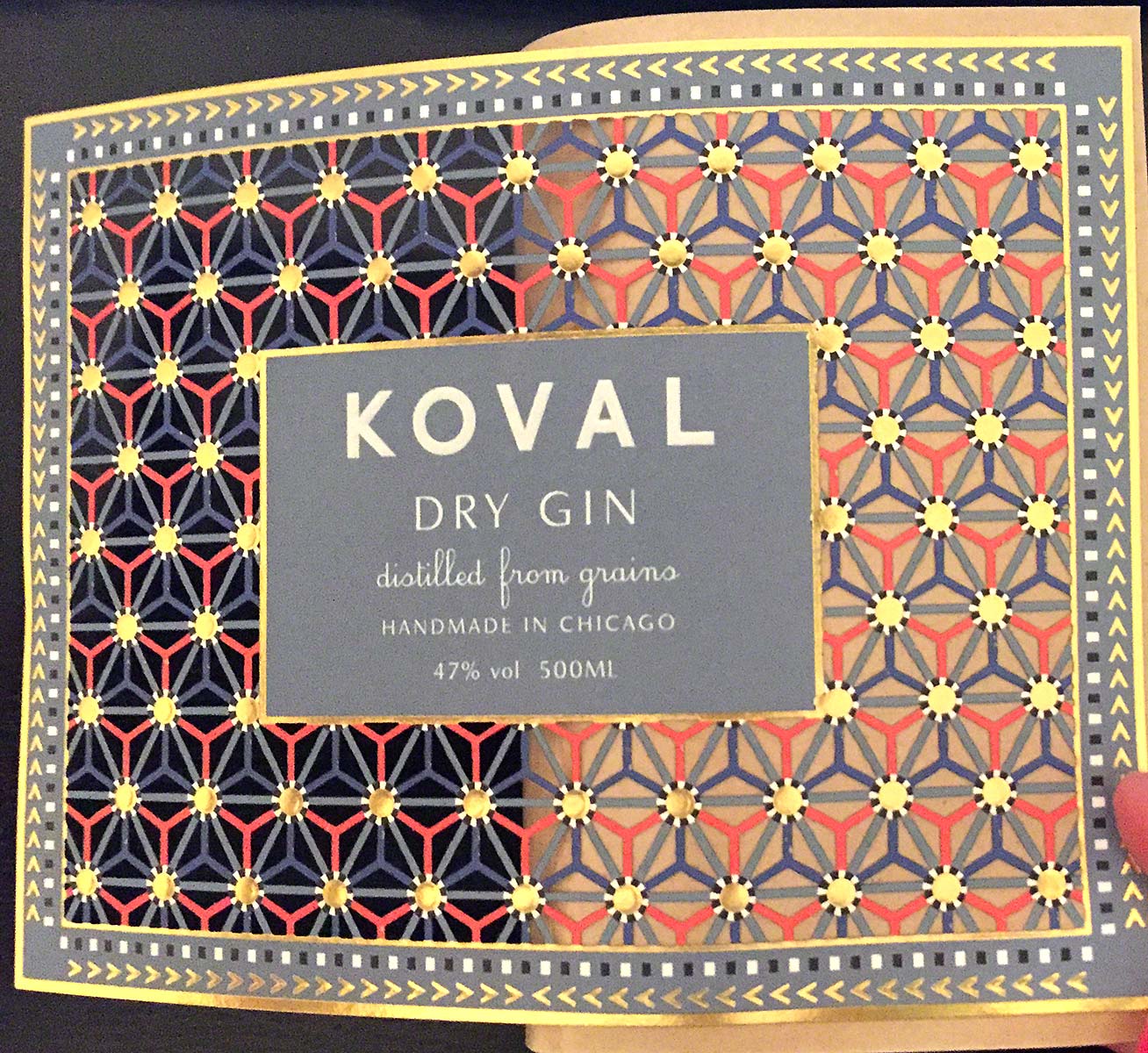
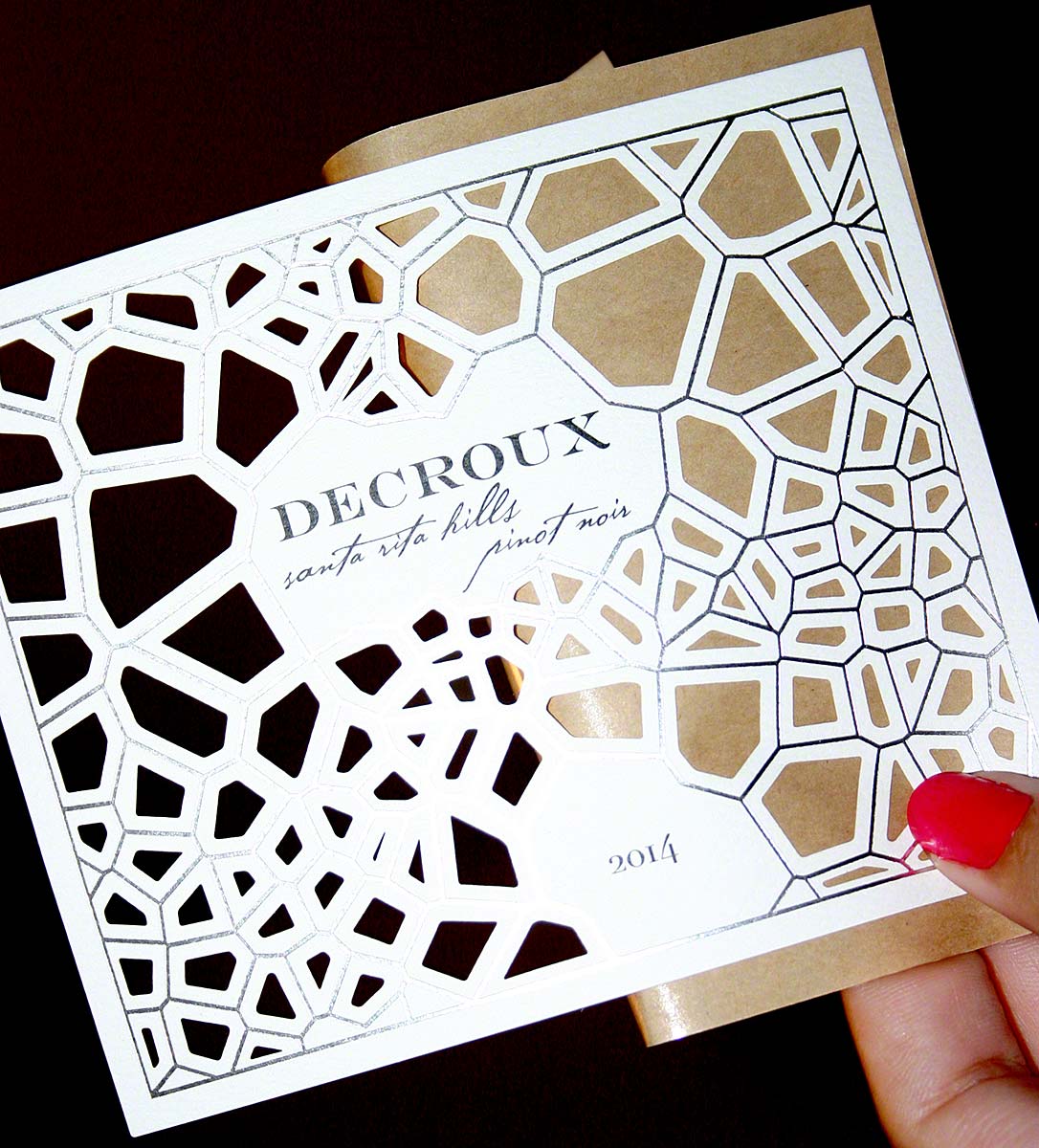
Paragon is the only company in North America with this technology, but it’s so innovative, and counterfeit-proof that every producer could find value in it’s use. Many label companies can use lasers to create unique label shapes, but Paragon can take it a step further with die cuts.
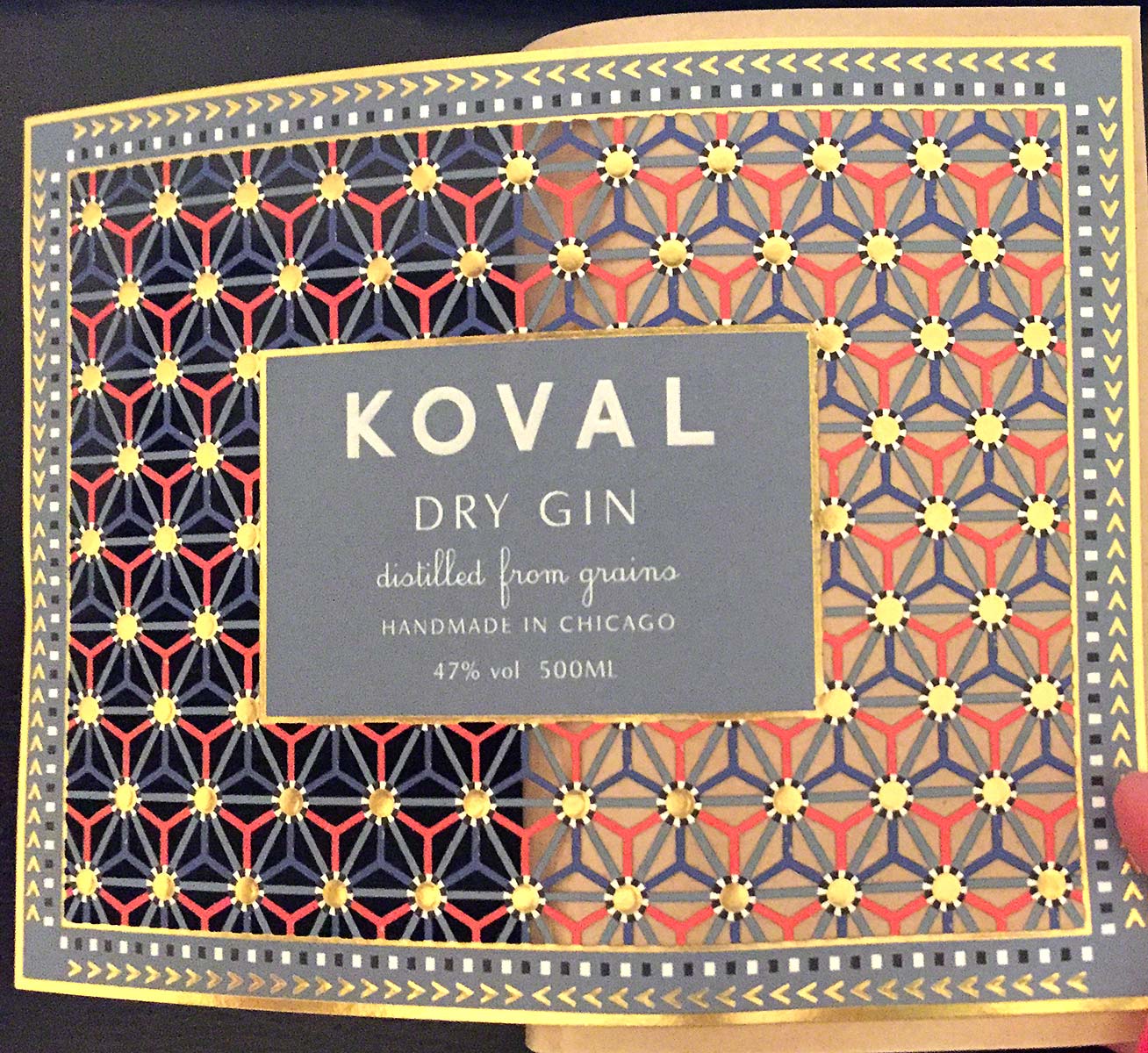
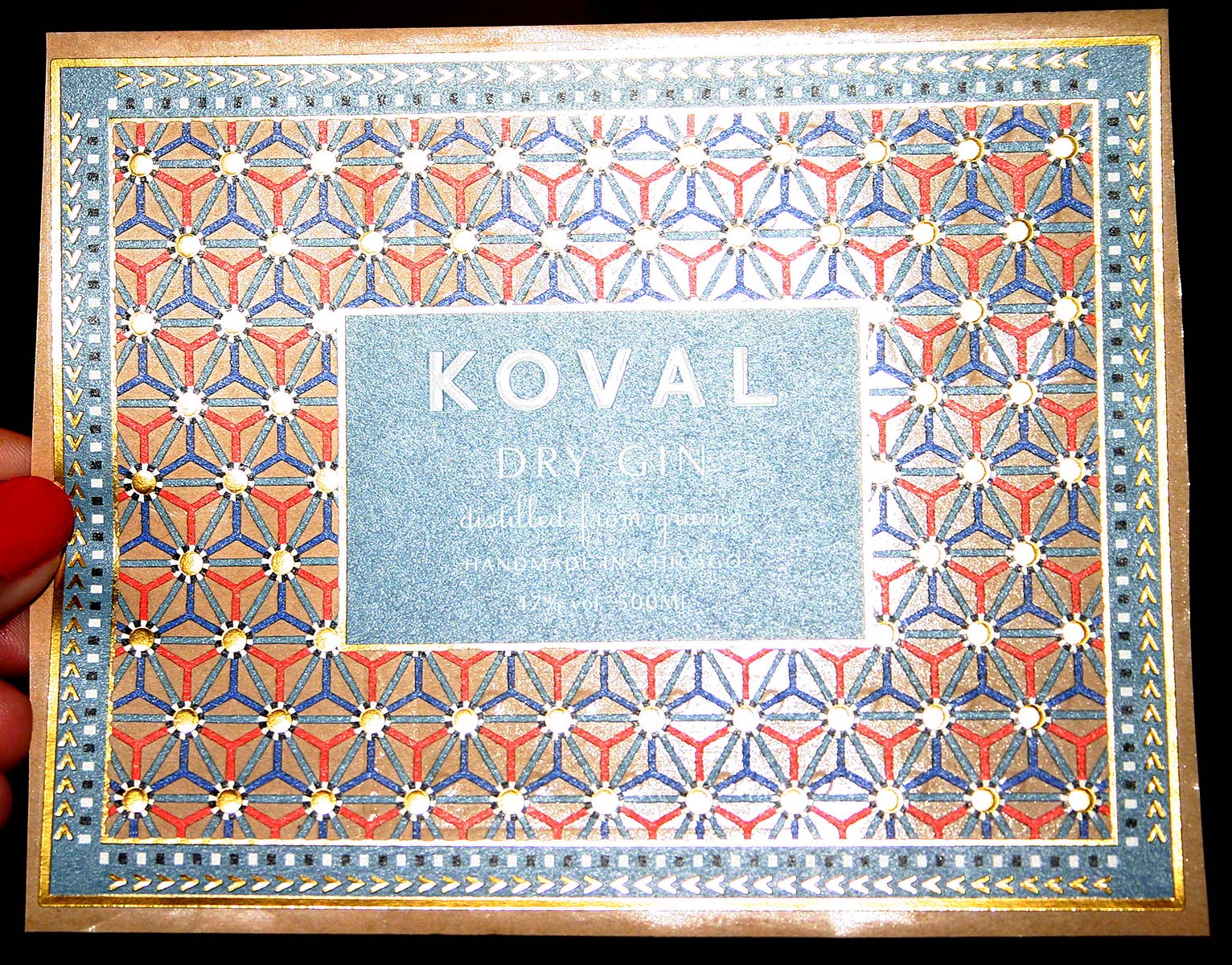
In this cutting method, a copper plate created with the cuts and shapes desired for the final labels will serve as the template. In the printing run, as the paper is fed over the copper plate, a laser will track across the label and where there is a hole in the plate, the laser will cut that hole into the paper.
This allows endless possibilities with shapes, designs, and proves to be almost impossible to recreate by home counterfeiters.
Most producers will use a combination of the above print methods to create their labels, and by adding in one or more of these processes, they make each label more complex and thereby more difficult to be recreated by someone outside of the label factory. In some cases, the very steps that the labels are printed can be a wealth of information, as counterfeiters do not know the sequence of the print run. When practicing authenticating, or looking a bottle, the print methods can be extremely important to focus on, and give you an idea of it’s authenticity.
Print Examples